 English
 French
 German
 Russian
 中文
中文

The Book of Not by Tsitsi Dangarembga: Dreams, Disappointments, and the Brutal Truths of Independence
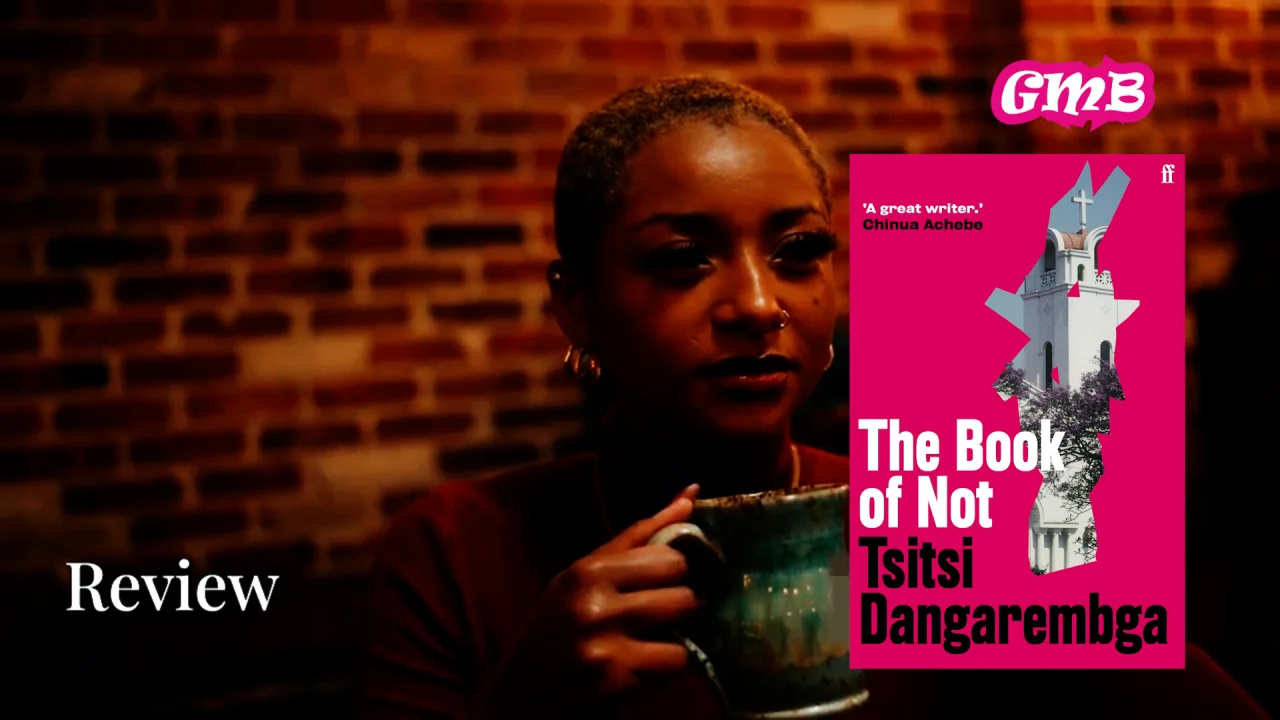
When Dreams Meet a Cold Reality
So. You survive a war. You survive the loss of a brother. You survive a family that could test the very limits of “dysfunctional.” And then—just when you think victory is yours—you land a scholarship to an elite, all-white girls’ school. Finally, you think, maybe life is finally giving you a break.
Nope. Not even close.
Welcome to Tambu’s world in The Book of Not by Tsitsi Dangarembga. If you thought her first story, Nervous Conditions, was intense, this sequel is a full-blown emotional battlefield: lost limbs, silent tears, racial landmines, and dreams that melt faster than margarine in a Zimbabwean heatwave. This is a story about survival, identity, and the harsh cost of independence.
👉 Grab your copy of The Book of Not here: https://amzn.to/4aNcMNc
What Kind of Novel Is This?
The Book of Not is a post-colonial, coming-of-age novel with a reflective, sometimes darkly humorous tone. It’s a moderate-paced exploration of identity, race, and societal expectation.
Themes include:
-
Power and marginalization
-
Racial identity and colonial legacy
-
Family, loyalty, and betrayal
-
The cost of independence
This book is for readers who:
-
Enjoy introspective narratives and character-driven stories
-
Want to explore African post-colonial history through intimate storytelling
This book is NOT for readers who:
-
Prefer fast-paced plots
-
Expect traditional “happy endings”
-
Need clear-cut heroes and villains
The Story (Without Spoilers)
Tambu arrives at Sacred Heart, an elite colonial-style girls’ school, with dreams bigger than her pit-latrine childhood could contain. Education, she believes, is her golden escape rope from the constraints of family and tradition.
But reality hits hard. First, her sister Netsai loses a leg in the war for independence. Then her uncle Babamukuru is accused of betrayal simply because Tambu attends a white school. And inside the gates of Sacred Heart? Tambu discovers that racism, isolation, and invisible rules are far more challenging than calculus.
As she navigates school life, Tambu faces silent hostility, broken friendships, and impossible expectations. Even her successes are undermined—culminating in the heartbreak of losing the Best O-Level Student Award to a white peer. By the time she graduates, her triumph is survival, not recognition.
A Quote That Sums It Up
“… as I went on planning my life … life was planning an insurgence.” – Tsitsi Dangarembga, The Book of Not [27]
It’s a line that captures both Tambu’s personal struggle and the broader societal chaos of Zimbabwe: life rarely unfolds according to plan, and independence comes with costs beyond what anyone imagines.
Why This Story Matters
The Book of Not isn’t just Tambu’s story—it’s the story of a nation navigating the treacherous waters from Rhodesia to Zimbabwe. Colonial oppressors leave, but the new “leaders” bring moral ambiguity, corruption, and disappointment. Tambu’s personal journey mirrors her country’s: hope curdles into disillusionment.
This novel asks hard questions:
-
Did people really die for freedom, or were they pawns in the rise of opportunists?
-
Can independence heal what war and colonization broke?
Dangarembga shows us that survival, not triumph, is sometimes the most courageous act. Tambu endures, even when recognition and fairness remain elusive.
My Thoughts
Reading The Book of Not is like drinking a bitter cup of tea. It’s medicine—necessary, but not sweet. At times, the narrative slows, particularly in Tambu’s A-Level years, creating gaps that can feel jarring after the detailed O-Level journey. Yet, the emotional weight remains undeniable.
Tambu doesn’t “win” in a conventional sense. Her successes are muted, her recognition stolen, her dreams compromised. But her endurance, her emotional honesty, and her reflection on society make her story profoundly resonant.
About the Author
Tsitsi Dangarembga is a towering voice in Zimbabwean literature. Born in 1959 in Mutoko, she is a novelist, filmmaker, and activist. Her debut novel, Nervous Conditions (1988), was the first English-language novel by a black Zimbabwean woman and remains a cornerstone of African literature.
The Book of Not (2006) is the second in a trilogy, culminating with This Mournable Body (2018), shortlisted for the Booker Prize. Across the three novels, Dangarembga traces the life of Tambudzai, reflecting Zimbabwe’s hopes, disappointments, and post-colonial identity struggles. Her activism is real-life proof of her courage—she was arrested during peaceful protests in Harare in 2020.
👉 Read more about Tsitsi Dangarembga and her works: https://amzn.to/4aNcMNc
Final Verdict
The Book of Not is not uplifting, and it won’t leave you with a neat, happy ending. But it’s necessary reading. It’s a piercing, honest exploration of dreams, reality, and the messy truths of independence. If you want a story that challenges your assumptions, shakes your empathy, and refuses easy closure, this is the book for you.
Tambu’s life reminds us: endurance can be more powerful than triumph. Sometimes, surviving the system is victory enough.
👉 Get your copy of The Book of Not here: https://amzn.to/4aNcMNc