 English
 French
 German
 Russian
 中文
中文

The Pressure of Parenthood: A Review of Indigo by Molara Wood
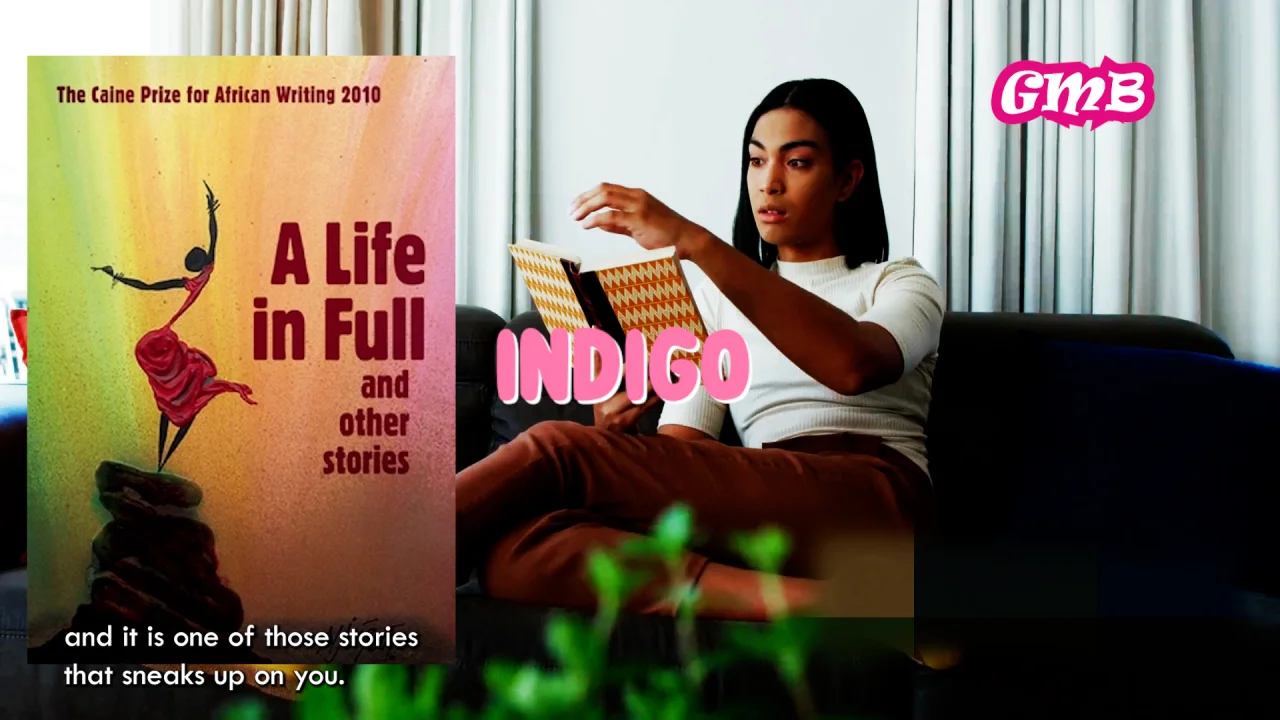
When Culture Clashes with Choice
Imagine returning home to Nigeria after years in London, where life feels optional and personal choices are respected. You and your spouse have been married for five years, child-free by choice, living life on your terms. In London, nobody bats an eye. But in Nigeria? Suddenly, your marriage is under a microscope. Everyone—from your parents to the fruit seller at the corner—has an opinion, and their favorite question is always the same: “When are you having children?”
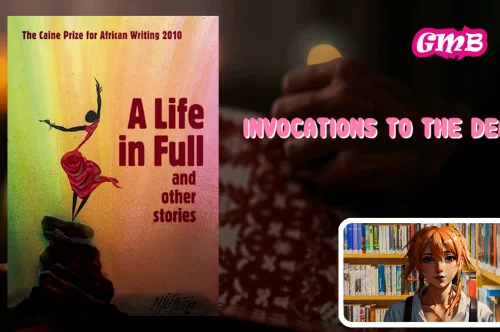
This is exactly the storm Molara Wood’s characters, Idera and Jaiye, step into in her story Indigo, part of the anthology A Life in Full and Other Stories. It’s a tale that starts simple—a couple deciding not to have children—but it quickly unfolds into a rich exploration of culture, identity, and the weight of family expectations.
Get A Life in Full and Other Stories on Amazon here
A Peek Into the Story
Idera and Jaiye aren’t your typical Nigerian couple. Their years in London taught them that marriage doesn’t automatically require children. They’ve enjoyed freedom, autonomy, and the luxury of defining their own life path. Back in Nigeria, however, the cultural script is clear: marriage = children, and deviation is not taken lightly.
Their decision to delay parenthood sparks whispers and judgments:
-
“They’ve become too westernised.”
-
“Five years of marriage and no children? What’s going on?”
-
“Is this even an African marriage anymore?”
Even Jaiye’s father is blunt: they’re selfish, prioritizing lifestyle over tradition. These moments in the story ask the reader a powerful question: Are Idera and Jaiye simply following a modern trend, or are they challenging a system that’s never designed to let them choose freely?
Key Moments That Hit Hard
The Naming Ceremony Disaster
One scene that lingers in the mind is Idera attending a relative’s naming ceremony. African naming ceremonies are colorful, noisy, and full of well-meaning yet overbearing relatives. Here, Idera finds herself excluded because of her childless status. What she intended as casual comments go unheard; the “barren” label silences her.
The Shrine Incident
Things escalate when a maternal aunt takes Idera to a shrine to “check” her fertility. A woman raised in modern, educated settings, Idera is confronted with a world she once scoffed at. This clash of modernity versus tradition is uncomfortable, awkward, and deeply thought-provoking.
Loneliness at Home
After these incidents, Idera returns to her spacious four-bedroom house—a symbol of success. But with Jaiye away, the house feels silent, empty, and starkly lonely. She once disliked the chaos children bring, but now the absence of that life forces her to confront what truly makes a home. This subtle, emotional moment resonates deeply, showing how internal conflict often mirrors external pressures.
Themes and Insights
At its core, Indigo asks: Can an African marriage survive without children? And who defines what a “successful” marriage looks like—the couple or society? Wood explores cultural expectations, familial pressure, and the creeping doubt that challenges even the most confident decisions.
What makes this story exceptional is its honesty. It doesn’t sensationalize or judge. Instead, it captures a universal tension: the struggle between personal choice and inherited expectations. Readers are left thinking: What would I do if my life was under this kind of scrutiny?
About Molara Wood
Molara Wood is a remarkable Nigerian author whose work has earned international recognition. She won the inaugural John La Rose Memorial Short Story Competition and has been published in journals such as One World (New Internationalist, 2009). Her writing blends contemporary experiences with deep cultural roots, making stories like Indigo both modern and timeless.
She has contributed to Sable Litmag, Humanitas, Chimurenga, Fafarina, and Per Contra, and worked as a columnist for The Guardian Nigeria. Today, she is the Arts and Culture editor of a major Nigerian newspaper in Lagos. Her storytelling shines in capturing the tensions between modern life and traditional expectations.
Discover more of Molara Wood’s stories here on Amazon
My Thoughts
Idera and Jaiye’s story feels familiar, especially for anyone navigating the intersection of tradition and modernity. Wood’s storytelling is subtle yet powerful—the quiet house scene, the tension at the naming ceremony, and the shrine incident all linger long after reading.
What I appreciate most is that the story doesn’t hand you answers. It shows struggles, doubts, and cultural friction, leaving the reader to reflect on personal values versus societal pressure. It’s funny, poignant, and uncomfortably relatable all at once.
Who Should Read Indigo
You’ll enjoy this story if you:
-
Appreciate culturally rich, contemporary fiction
-
Are interested in African narratives that explore identity and family
-
Like stories that provoke thought rather than provide easy answers
You might struggle with this story if you:
-
Prefer fast-paced plots over reflective storytelling
-
Want clear heroes and villains
-
Dislike open-ended conclusions
Read A Life in Full and Other Stories here
Final Verdict
Indigo by Molara Wood is a beautifully layered story that hits hard because it’s so grounded in reality. It’s humorous, heartbreaking, and deeply reflective. This isn’t just a story about children or marriage—it’s a story about culture, identity, and the quiet yet persistent pressure society places on individuals.
If you want a story that will make you think, challenge assumptions, and stay with you long after you close the book, Indigo is a must-read.