 English
 French
 German
 Russian
 中文
中文

Eno’s Story: A Child’s Bravery Against a World That Misunderstands Her
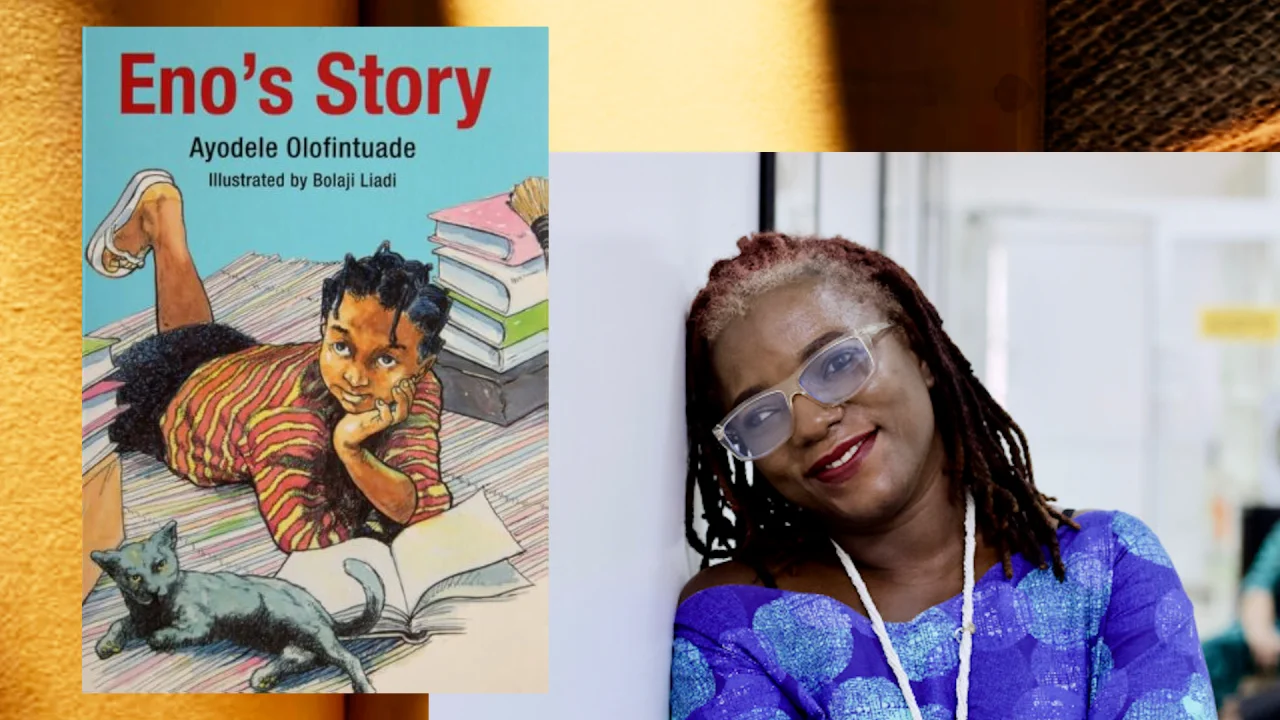
Have you ever met a child so sharp, so perceptive, that the adults around her immediately feel threatened? That’s Eno. A girl who loves cats, excels at school, and controls her emotions in a way most adults can’t. In many places, that kind of child isn’t admired—they’re feared. They’re labeled. They’re called witches.
Eno’s story begins in a seemingly ordinary Nigerian village, but ordinary quickly turns complicated. Her father disappears without explanation, leaving her in the care of an uncle who interprets her intelligence and independence as dangerous. Her love for her cat and her quiet confidence only fuel his suspicion. Soon, whispers of witchcraft aren’t just rumors—they’re accusations, repeated by neighbors, echoed by the pastor, and finally enforced through cruel “deliverance” sessions.
At just eleven, Eno finds herself abandoned, homeless, and navigating life in an unfinished building, surrounded by other children cast out by a society that refuses to understand them. Yet, despite the bruises, fear, and injustice, Eno doesn’t break. She imagines, she dreams, she turns her supposed curse into a tool for resistance. Her imagination becomes her weapon, her survival mechanism, and her silent protest.
👉 You can find Eno’s Story on Amazon here.
What Kind of Book Is This?
This is a children’s book, but don’t be fooled by its 46-page length. Its scope is universal. It’s a story about power, tradition, religion, and resilience, told with wit, imagination, and insight.
-
Tone: Reflective, tender, yet piercing
-
Pace: Moderate, allowing moments to breathe and resonate
-
Themes: Witch-labelling, superstition, religion, identity, imagination, resilience
This book is for readers who:
-
Care about children’s rights and stories of resilience
-
Appreciate culturally rooted stories with universal messages
-
Don’t mind being challenged to see society through a child’s eyes
It is NOT for readers who:
-
Prefer fast-paced, plot-heavy narratives
-
Need clear-cut heroes and villains
-
Are uncomfortable with confronting social critique in children’s literature
Why This Story Matters
Eno’s Story is more than a narrative—it’s a mirror and a conversation starter. It exposes how fear and superstition can harm children, and how adults often project their insecurities onto the most vulnerable.
Ayodele Olofintuade tells the story through Eno’s eyes, giving readers an intimate glimpse into her thoughts: the humor, the frustrations, and the daydreams that shield her from a harsh world. This perspective transforms the absurdity of her “witchcraft accusations” into sharp social critique, making us laugh, but uncomfortably so.
The story highlights witch-labelling—a still prevalent issue in parts of Africa—showing how intelligence, independence, or difference can be weaponized against children. It also critiques religion used as control, asking profound questions about morality, justice, and power—all seen through a child’s experience.
Perhaps most importantly, Eno reclaims her identity through imagination. Where the world labels her evil, she turns that notion into strength. Her imagined “powers” are playful, satirical, and deeply empowering—a lesson in resilience that stays long after the last page.
A Glimpse of the Story
Without spoiling the details, Eno’s journey is one of survival and resistance. She moves from home to abandonment, from fear to imagination, learning to navigate a world that misunderstands her while holding onto her sense of self.
The moral dilemma is simple yet profound: how does a child survive when adults around her are both protectors and threats?
Who This Book Is Perfect For
You’ll enjoy this novel if:
-
You like stories about resilience, courage, and imagination
-
You enjoy culturally rich narratives with universal lessons
-
You read fiction to reflect, question, and feel deeply
You might struggle with this book if:
-
You prefer fast-moving action stories
-
You expect a clear division between good and evil
-
You dislike open-ended or subtle conclusions
👉 Pick up your copy of Eno’s Story here.
What Worked
-
Voice: Eno’s perspective is witty, dry, and authentic. It makes every injustice and absurdity hit harder.
-
Themes: Witch-labelling, superstition, religion, and identity are explored with sensitivity and depth.
-
Imagination as Survival: Eno’s creativity and humor offer a poignant model of resistance for children and adults alike.
What didn’t work? Very little—but some readers may find the pace slow or the child-centered perspective challenging if they prefer external narrators or fast plots.
About the Author
Ayodele Olofintuade was born in Ibadan, Nigeria, and grew up immersed in Yoruba classics. She studied Mass Communication and has worked as a graphic artist, librarian, editor, and dance instructor. Her love for children’s welfare is evident in her writing: tender, unflinching, and honest. She lives in Ibadan with her children and her cat, Kit-Kat—a fitting companion for a storyteller who celebrates imagination.
Final Thoughts
Eno’s Story is a short but profound book. It challenges assumptions, sparks conversation, and reminds us that children are never the problem—they’re navigating the adult-created world with what little power they have: imagination, courage, and wit.
Whether you’re reading to a child, reflecting on society, or simply enjoying a story that makes you think, this book will stay with you. It’s a survival story, a protest, and a call for change—all in 46 unforgettable pages.
👉 Read Eno’s Story here on Amazon.