 English
 French
 German
 Russian
 中文
中文

Lies, Lust, and Laughter: A Review of The Country Wife by William Wycherley
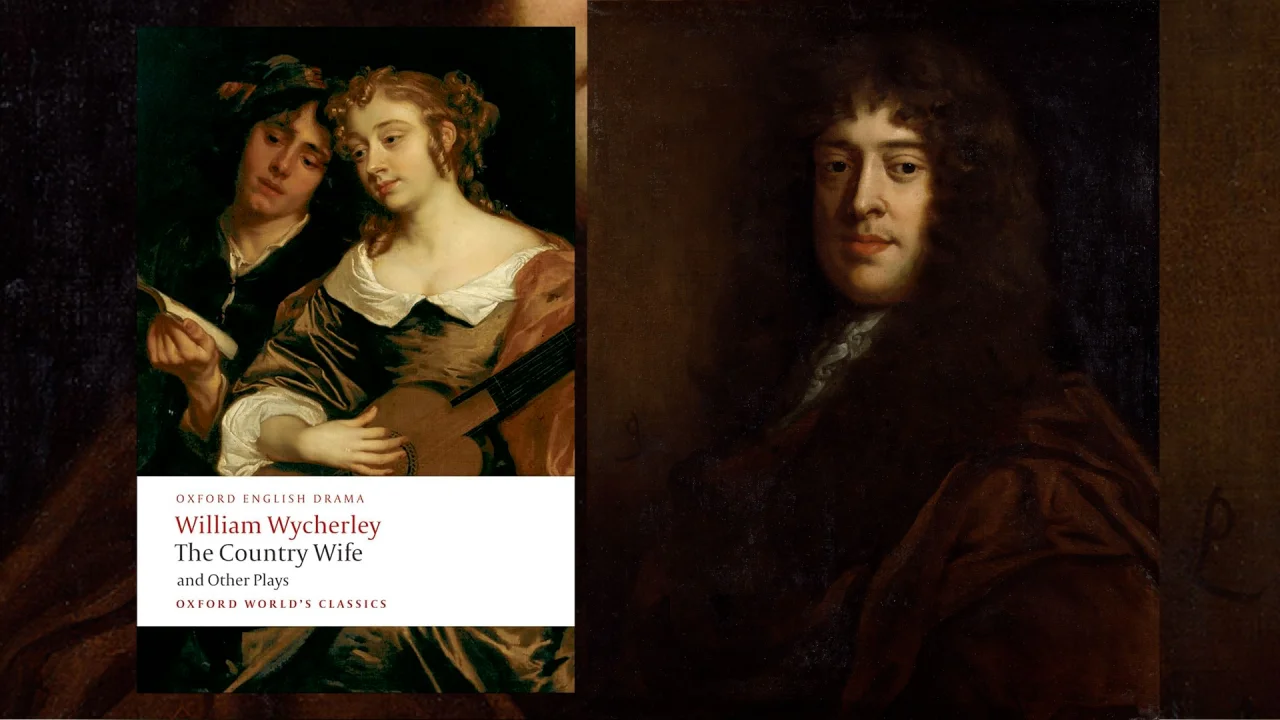
What if I told you that one man faked a medical condition just to get close to every wealthy wife in London — and it worked? No, this isn’t a modern Netflix drama. It’s Restoration comedy at its most shameless, where husbands lock their wives indoors, wives gossip about adultery over tea, and a man known for his “impotence” somehow becomes the most in-demand lover in town.
If that sounds scandalous — well, we’re only getting started. The Country Wife is a wild ride of lies, lust, jealousy, and double entendres that could rival any English literature exam. Written in 1675, this play is outrageously clever, delightfully audacious, and still manages to feel eerily modern.
👉 You can get your copy of The Country Wife here on Amazon.
What the Play Is About
At the center of this comedy is Harry Horner, a man with a bold plan to conquer London’s upper-class ladies — and he doesn’t need swords or duels, just a brilliant lie. Claiming he’s impotent after a misadventure with venereal disease, Horner becomes the city’s harmless “eunuch.” Husbands relax, wives are free to socialize, and Horner, of course, enjoys the freedom to seduce without suspicion.
The story weaves together multiple characters and schemes:
-
Sir Jasper Fidget and Lady Fidget – a couple whose dynamics set the stage for Horner’s cunning maneuvers.
-
Jack Pinchwife and Margery – newlyweds whose controlling jealousy and spirited rebellion provide both tension and humor.
-
Frank Harcourt, Mr. Dorilant, and Mr. Sparkish – a mix of witty conspirators and absurd fools, each amplifying the satire of Restoration society.
Through disguises, secret liaisons, and clever wordplay, the characters navigate London’s social scene, revealing the hypocrisy, sexual politics, and vanity of the upper class. From Margery’s daring ventures into the city to the infamous “china scene” packed with double meanings, the play keeps the audience laughing — often while wincing at how little human nature seems to have changed.
Why The Country Wife Still Matters
At its core, Wycherley’s comedy is a biting critique of 17th-century society — and a mirror to ours.
-
Deception and Desire: Horner’s lie about impotence isn’t just a plot device; it exposes how people want to believe comfortable falsehoods to protect their pride. Husbands feel safe, wives feel justified, and society continues preaching virtue while indulging in vice.
-
Marriage and Jealousy: Pinchwife’s obsessive control of Margery highlights the absurdity of possessiveness, while Margery’s courage and honesty shine as a rebellious counterpoint.
-
Satire and Wit: Through characters like the oblivious Sparkish and the cunning Harcourt, Wycherley skewers pretension, foolishness, and societal obsession with appearances.
Perhaps the most cynical truth the play offers? Horner gets away with everything. No one faces real consequences, and the only lesson learned is that people will believe whatever protects their pride. In that sense, The Country Wife feels remarkably relevant, reminding us that human folly, hypocrisy, and desire are timeless.
Language, Laughter, and Scandal
Wycherley’s mastery of language elevates the play. The infamous “china scene” is a showcase of double meanings and innuendo, where what isn’t said is often funnier than what is. Every witty exchange, flirtation, and disguise is designed to reveal society’s obsession with reputation, while making the audience complicit in the amusement.
The play’s enduring appeal lies in its ability to shock, delight, and provoke thought simultaneously. It’s a comedy that invites laughter while holding a mirror to our own foibles — and, in true Restoration fashion, the bawdiness never feels gratuitous; it’s always pointed and clever.
About the Author: William Wycherley
William Wycherley (1641–1716) was a prominent playwright of the English Restoration period. Born into a royalist family and influenced by French comedies, he became known for his fearless portrayals of sexual politics and satire of societal norms. The Country Wife remains his most famous work, celebrated for its audacity, wit, and insight into human behavior.
Wycherley’s plays initially scandalized audiences but captured the spirit of Restoration London: a world of wit, indulgence, and rebellion against Puritan restraint. Today, his work continues to be studied and performed for its sharp humor and timeless commentary.
👉 Learn more about William Wycherley and his works here on Amazon.
Who Should Read The Country Wife
You’ll enjoy this play if:
-
You love biting social satire and witty humor.
-
You’re fascinated by Restoration literature or historical comedies.
-
You appreciate stories that explore human desire, deception, and hypocrisy.
You might struggle with it if:
-
You prefer modern, fast-paced narratives.
-
You need clear-cut heroes and villains.
-
You dislike sexual innuendo or morally ambiguous characters.
👉 If this sounds like your kind of comedy, grab your edition of The Country Wife here.
Final Thoughts
The Country Wife is outrageous, witty, and wickedly clever. It skewers the very society it entertains, showing us that lies, desire, and self-deception are as timeless as laughter itself. Reading it today feels like peering into a 17th-century mirror — and realizing, with equal parts horror and delight, that people haven’t changed all that much.
Whether you’re a fan of Restoration drama, a lover of comedy, or simply curious about the scandalous truths behind polite society, this play is a must-read. Its mix of boldness, humor, and insight makes it as entertaining now as it was centuries ago.
✅ Quote to Remember:
“For my own sake fain I would all believe; / Cuckolds, like lovers, should themselves deceive.”