 English
 French
 German
 Russian
 中文
中文

She Wasn’t Sorry When Her Brother Died — And I Couldn’t Look Away
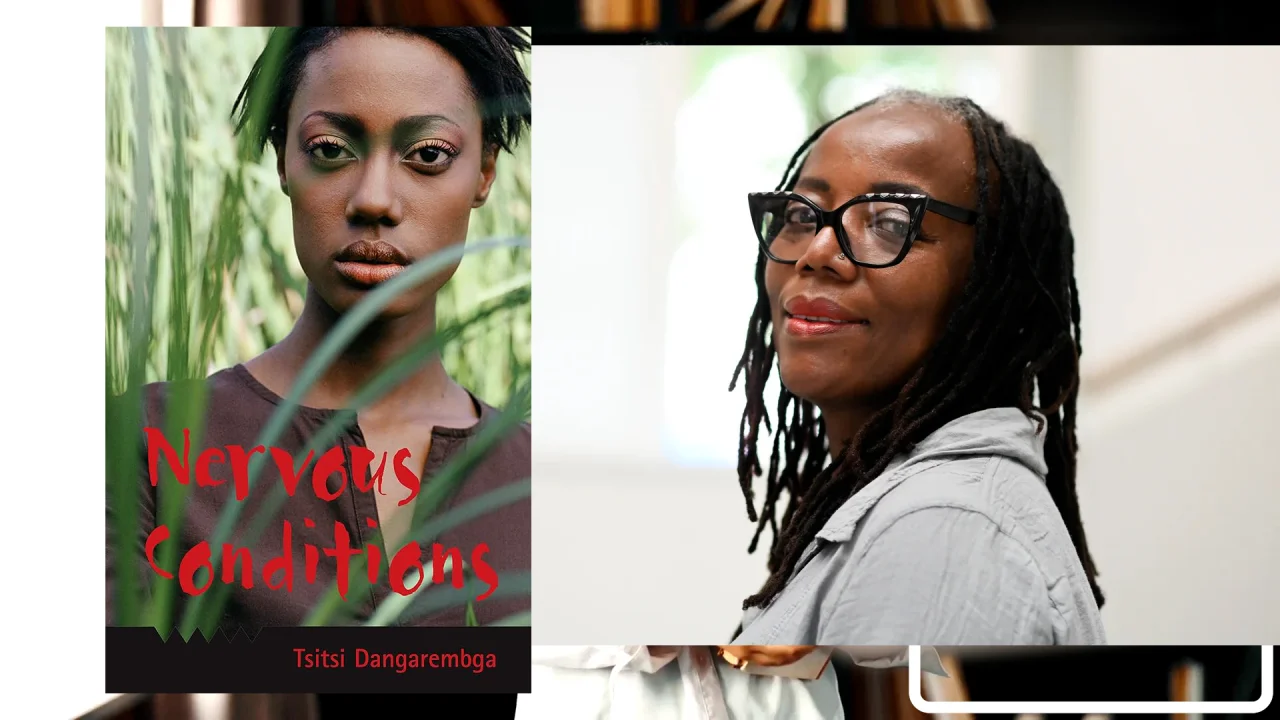
The first line stopped me cold.
“I was not sorry when my brother died.”
I remember reading that and physically sitting up. I had to reread it. Who starts a novel like that? Who admits something so socially unacceptable so calmly?
For a second, I almost judged her.
And then I kept reading.
And slowly, uncomfortably, I understood her.
What Kind of Novel Is This?
Nervous Conditions by Tsitsi Dangarembga is a coming-of-age literary novel about education, patriarchy, colonial influence, and the quiet rebellion of women who are tired of being told what they are worth.
Tone: Reflective, restrained, quietly furious
Pace: Moderate, character-driven
Themes: Education, gender inequality, colonialism, identity, voice, generational trauma
This book is for readers who:
-
Love thoughtful, character-focused fiction
-
Enjoy stories about women navigating systems stacked against them
-
Like books that ask moral questions instead of giving neat answers
This book is NOT for readers who:
-
Need fast-paced plots and dramatic twists
-
Prefer clear heroes and villains
-
Want easy emotional resolutions
👉 The edition I read is available here:
Nervous Conditions by Tsitsi Dangarembga (Paperback Edition)
Why This Story Matters (Emotional Core)
On the surface, this is a story about a girl who wants to go to school.
But that’s not what it’s really about.
It’s about who gets to escape — and who has to stay behind.
Tambudzai, or Tambu, grows up in rural Zimbabwe in a family where education is reserved for boys. Her brother Nhamo gets sent to the mission school. Tambu is told she should learn to cook instead.
When her father asks, “Can you cook book and feed them to your husband?” it would have been easy for her to accept it.
But Tambu doesn’t accept things easily.
She grows her own maize to pay for her school fees. She questions her mother. She compares her educated aunt Maiguru to her own mother and notices the difference. She observes everything.
And when her brother dies — the very brother who had been given every opportunity she was denied — she sees a door open.
It’s ugly. It’s uncomfortable. It’s human.
What stayed with me after finishing this novel wasn’t the plot.
It was the question:
What does liberation cost — and who pays for it?
Tambu escapes. But her mother remains trapped. Maiguru remains silenced in her marriage. Lucia fights but is labeled troublesome. And Nyasha — brilliant, Western-educated Nyasha — breaks under the pressure of existing between two cultures.
This book refuses to simplify oppression. Patriarchy isn’t just loud and violent here. Sometimes it’s polite. Educated. Respectable. Even loving.
Babamukuru, the mission headmaster, isn’t a cartoon villain. He believes he is doing what is right. That’s what makes it worse.
This story exists because silence is inherited. And so is resistance.
And reading it in 2026? It still feels painfully current.
A Glimpse of the Story (No Spoilers)
A young girl in rural Zimbabwe dreams of education in a world that prioritizes her brother.
A tragedy shifts the balance.
She moves to a mission school led by her strict uncle, where colonial influence and traditional expectations collide.
Around her, women wrestle with impossible choices:
-
Submit or resist?
-
Stay quiet or speak up?
-
Belong or break?
That’s the tension this novel lives in.
The Women Who Haunt This Story
This book isn’t just Tambu’s journey. It’s a map of women in different stages of entrapment — and rebellion.
Maiguru — educated, elegant, degree-holder from England — yet constantly diminished in her own household.
Lucia — bold, sharp-tongued, unafraid. Branded difficult simply because she refuses to be small.
Ma’Shingayi — Tambu’s mother — whose emotional breakdown is one of the most devastating passages in the novel. When she says, “Since when has it mattered what I want?” it doesn’t feel like fiction. It feels like history speaking.
And then there’s Nyasha.
Nyasha is perhaps the most tragic figure in the novel. Educated in England, dragged back to Zimbabwe, she exists between cultures like a rope in a tug of war. Too Western for home. Too African for England.
Her rebellion isn’t loud and triumphant.
It’s internal. Destructive. Painful.
And it shook me.
Who This Book Is Perfect For
You’ll enjoy this novel if:
-
You like books that explore internal conflict more than external drama
-
You enjoy literary fiction that tackles social structures
-
You read to understand people, not just to be entertained
You might struggle with this book if:
-
You prefer action-driven narratives
-
You want quick emotional payoffs
-
You dislike morally complicated characters
👉 If this sounds like your kind of book, you can find it here:
Nervous Conditions by Tsitsi Dangarembga (Kindle Edition)
My Honest Verdict
This isn’t a perfect novel.
There were moments I felt restless. Some sections move slowly. Tambu herself can be frustrating — especially when she begins to internalize the very systems she once questioned.
I cringed when she refused to attend her parents’ wedding because it “shamed” her. I wanted Maiguru to explode. I wanted Babamukuru to listen to Nyasha instead of controlling her.
But maybe that frustration is the point.
Because real families don’t resolve themselves neatly.
Real change doesn’t happen cleanly.
What worked:
-
The emotional honesty
-
The layered portrayal of patriarchy
-
Nyasha’s arc — unforgettable
What didn’t always work:
-
The pacing in the middle sections
-
Tambu’s emotional distance at times
And yet… I absolutely recommend it.
Because this is an honest novel.
And honest novels are rare.
The Author’s Legacy
Published in 1988, this novel made history as the first novel in English by a Black Zimbabwean woman.
It won the African section of the Commonwealth Writers’ Prize in 1989 — and deservedly so.
The Book of Not continues Tambu’s journey, and I’ll be reading that next.
Dangarembga herself is not just a novelist but also a filmmaker and playwright, and her understanding of voice — who has it and who is denied it — runs through every page.
Similar Books You Might Like
If this novel moved you, you might also appreciate:
-
The Bluest Eye
-
Purple Hibiscus
Both explore girlhood, silence, and the cost of growing up under oppressive structures.
Final Thoughts & Recommendation
When I think back to that opening line — “I was not sorry when my brother died” — I no longer hear cruelty.
I hear desperation.
I hear hunger for opportunity.
I hear a girl who understood that in her world, survival sometimes looks like selfishness.
If you’ve ever felt underestimated…
If you’ve ever felt like your voice didn’t matter…
If you’ve ever stood between tradition and change…
This book will sit with you.
Not loudly.
But persistently.
👉 If you’d like to read the same edition I did, here’s the link:
Nervous Conditions by Tsitsi Dangarembga (Paperback)
Until then — keep reading, keep questioning, and keep finding your voice.