 English
 French
 German
 Russian
 中文
中文
This Book Feels Like Zimbabwe Talking Back to Itself
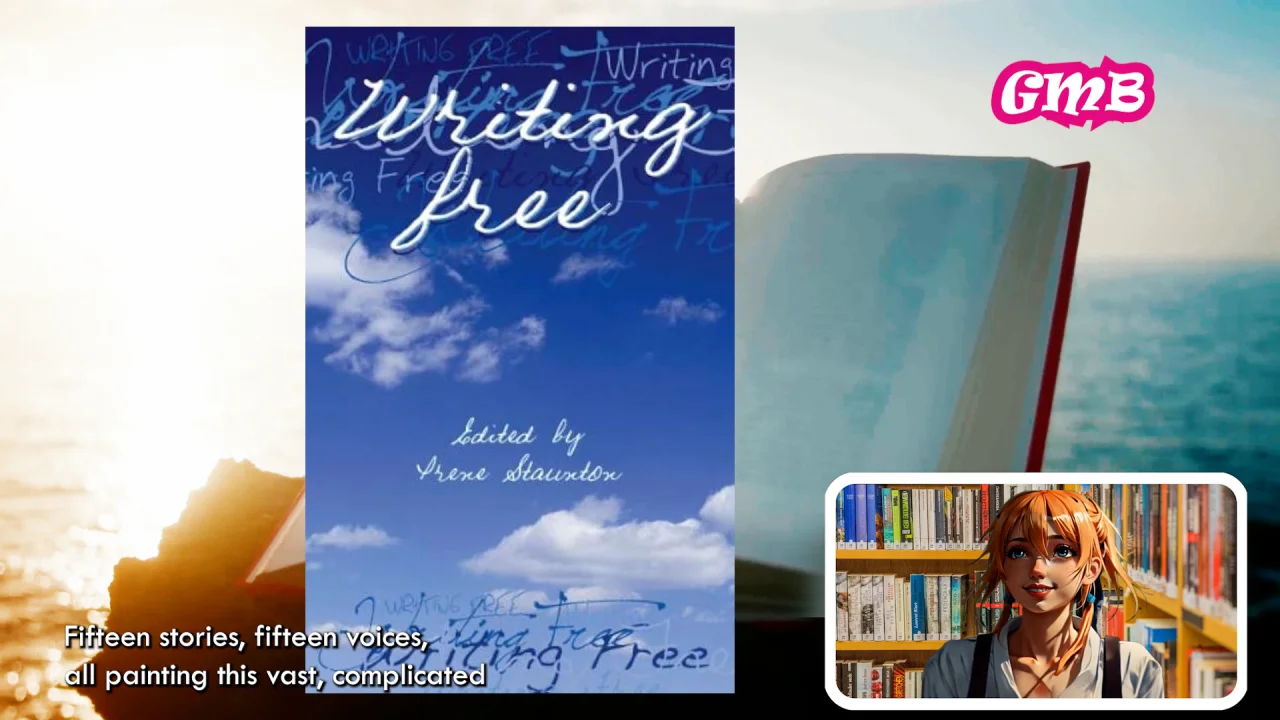
There’s a moment when you realize you’re not just reading stories—you’re being pulled into conversations you didn’t know you needed.
Halfway through Writing Free, I paused and thought: Wait… who is really in control here? The writer—or the country itself?
Because this book doesn’t sit quietly. It argues. It laughs. It mourns. It refuses to be reduced to headlines about crisis and collapse. And in doing so, it becomes something rare: a collection that feels alive.
Edited by Irene Staunton, Writing Free is not your typical anthology. It’s sharper, more playful, and far more daring than you expect.
👉 The edition I read is available here:
https://amzn.to/3KFvL1M
What Kind of Book Is This?
This is a literary fiction anthology about identity, imagination, and what it means to exist in (and beyond) Zimbabwe.
Tone: reflective, playful, sometimes haunting
Pace: moderate (quick reads, but emotionally layered)
Themes: identity, exile, love, politics, memory, survival, storytelling itself
This book is for readers who:
-
Enjoy layered, thought-provoking short stories
-
Like fiction that blends personal and political realities
This book is NOT for readers who:
-
Want a single, continuous narrative
-
Prefer simple, linear storytelling with clear resolutions
Why This Story Matters (Emotional Core)
What stayed with me after finishing Writing Free wasn’t any single story—it was the tension between freedom and limitation.
These writers are not just telling stories. They are pushing against something—expectations, stereotypes, even the idea of what Zimbabwean literature is supposed to be.
For years, stories about Zimbabwe have often been framed through crisis: hyperinflation, political instability, survival. And yes, those realities are here. You feel them in the background, sometimes violently present. But this book refuses to be trapped there.
Instead, it asks a deeper question:
What happens when writers decide to imagine beyond suffering?
Some stories turn inward—exploring love, memory, and identity. Others experiment boldly, like characters rebelling against their own creators. There’s humor where you expect despair. There’s tenderness where you expect anger.
And that’s what makes this anthology feel important now.
It doesn’t deny reality—but it refuses to let reality define the full scope of human experience.
A Glimpse of the Stories (No Spoilers)
This collection brings together fifteen writers, each offering a different lens into Zimbabwean life—both at home and in the diaspora.
You’ll encounter:
-
People pushed to the edge, literally running from broken systems
-
Couples torn between love and the idea of “home”
-
Immigrants navigating identity in foreign lands
-
A writer who loses control of his own fictional characters
-
Communities struggling with survival, dignity, and memory
Some stories are grounded and painfully real. Others are experimental, almost surreal. But all of them circle around one idea:
What does it mean to belong—to a place, to a person, or even to your own story?
Standout Stories That Stayed With Me
A few stories refuse to leave your mind:
-
“The Novel Citizen” by Ignatious Mabasa – A brilliant, funny exploration of writer’s block where characters literally rebel against their author. It’s clever, but also deeply philosophical.
-
“Crossroads” by Tendai Huchu – A quiet but powerful story about love, memory, and the emotional weight of choosing where to build a life.
-
“Shamisos” by NoViolet Bulawayo – Devastating and grounded in real events, this story forces you to confront the human cost of xenophobia.
-
“The Donor’s Visit” by Sekai Nzenza – Uncomfortably honest about aid, power, and dignity.
-
“The Missing” by Isabella Matambandzo – Quiet, poetic, and haunting—like a memory you can’t fully recover.
Each story feels distinct, yet they all echo each other in subtle ways.
Who This Book Is Perfect For
You’ll enjoy this book if:
-
You like fiction that makes you pause and think
-
You enjoy experimental storytelling and multiple perspectives
-
You’re curious about African literature beyond the usual narratives
You might struggle with this book if:
-
You prefer fast-paced, plot-driven novels
-
You want clear answers and neat endings
-
You don’t enjoy shifting tones and styles
👉 If this sounds like your kind of book, you can get it here:
https://amzn.to/3KFvL1M
My Honest Verdict
This isn’t a perfect collection—but it’s an important one.
What worked:
-
The diversity of voices and styles
-
The boldness—some stories take real creative risks
-
The emotional depth, especially in quieter, reflective pieces
What didn’t always work:
-
A few stories feel uneven or less memorable
-
The tonal shifts can be jarring if you expect consistency
But even its imperfections feel honest.
This is a book that experiments. And not every experiment succeeds—but the ones that do are unforgettable.
Final Thoughts & Recommendation
Writing Free feels like a conversation Zimbabwean writers are having—with themselves, with their past, and with the world watching them.
It’s not just about what Zimbabwe is.
It’s about what it could be—creatively, emotionally, imaginatively.
And that’s why it lingers.
If you’re the kind of reader who doesn’t just want stories—but wants meaning, tension, and questions that don’t resolve easily—this book will stay with you.
👉 If you’d like to read the same edition I did, here’s the link:
https://amzn.to/3KFvL1M
Similar Books You Might Like
-
We Need New Names by NoViolet Bulawayo
Best Format to Read This Book
Paperback – Short stories like these are best savored slowly, flipped back to, and revisited.