 English
 French
 German
 Russian
 中文
中文

When Desire Meets Disaster: A Deep Dive into A Streetcar Named Desire
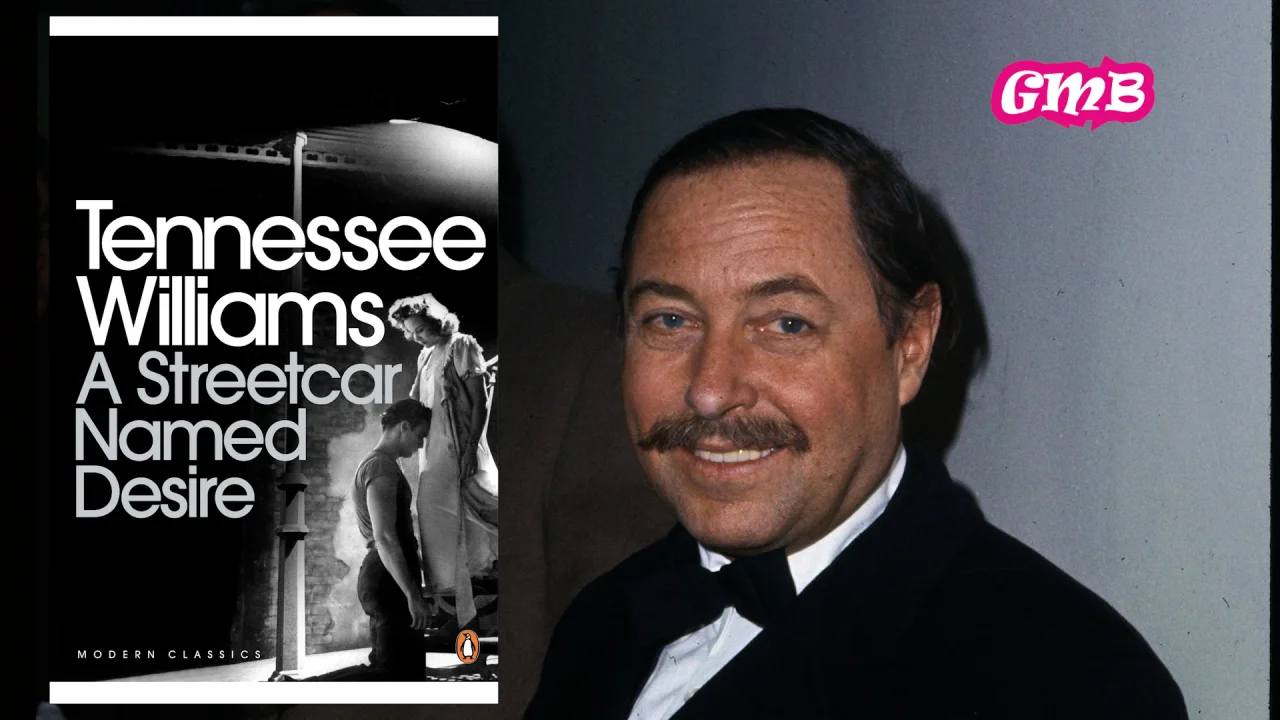
Have you ever met someone who walks into a room and instantly turns everything upside down—suitcase full of drama, vocabulary of fancy words, and a wardrobe like they raided Scarlett O’Hara’s closet? That’s Blanche DuBois. And if you’ve ever wondered what happens when illusions collide with raw reality, then Tennessee Williams’ A Streetcar Named Desire is a masterclass in human chaos.
Set in a world where personal lives are public spectacle, this 1947 play isn’t about Instagram-worthy glamour—it’s about the consequences of breaking society’s rigid rules, the fragility of desire, and the crushing weight of reality.
👉 Grab your copy of A Streetcar Named Desire here on Amazon.
A Story That Hits Like a Storm
The play opens with Blanche arriving at her sister Stella’s apartment in the decaying, gritty neighborhood of Elysian Fields. Think paradise, but with broken radios, flickering lights, and more domestic tension than a telenovela marathon.
Blanche is a picture of old Southern gentility: pearls, gloves, and an aura of fragility. Stella, her younger sister, is married to Stanley Kowalski—a man of muscle, beer, and explosive tempers. The cultural clash is immediate. Blanche thrives in candlelight and poetry; Stanley thrives in poker nights and smashed furniture. Their collision sets the stage for a drama that’s equal parts heartbreaking and shocking.
Blanche carries a tragic past: a failed marriage, a young husband’s suicide, and scandalous relationships that have left her ostracized. Stella’s life, meanwhile, is caught between love, fear, and societal expectation. As Blanche seeks refuge and perhaps redemption, Stanley’s relentless suspicion and desire for control slowly unravel her carefully maintained illusions.
What follows is a relentless interplay of desire, manipulation, and societal judgment. Blanche flirts with Mitch, a gentler man who represents hope, only to have her secrets exposed. The climax—both intense and heartbreaking—leaves Blanche institutionalized, clinging to her final line of fragile hope:
"I have always depended on the kindness of strangers."
Why This Play Still Matters
A Streetcar Named Desire is more than a story of one woman’s downfall. It’s a commentary on societal hypocrisy, gender roles, and the consequences of desire left unchecked. Blanche may seem like the victim, but every character is trapped:
-
Blanche clings to illusions of youth and romance to escape a brutal reality.
-
Stella is bound by love and societal expectation, defending a husband who abuses her.
-
Stanley wrestles with toxic masculinity and a desperate need for control.
-
Mitch is caught between compassion and the hypocrisy of his mother’s moral code.
The play’s tension between illusion and reality resonates decades later. It examines desire as both a driving force and a destructive one, while highlighting domestic abuse, societal judgment, and the double standards of morality—particularly regarding women. Stella’s tolerance of Stanley’s violence, and Blanche’s vilification for her sexual past, expose a culture where men and women are held to radically different standards.
Tennessee Williams: The Mind Behind the Madness
Born Thomas Lanier Williams, Tennessee Williams (1911–1983) is celebrated as one of America’s greatest playwrights. His works often explore fragility, desire, and the crushing expectations of society. A Streetcar Named Desire won the Pulitzer Prize for Drama and remains a staple of both American theater and literary study. Williams’ genius lies in his ability to blend poetic language with raw, sometimes brutal realism—a combination that continues to captivate audiences today.
👉 Learn more about Williams’ work and pick up this edition here on Amazon.
Who Should Read A Streetcar Named Desire
You’ll love this play if you:
-
Enjoy character-driven stories that explore psychology and desire.
-
Appreciate literary drama that critiques societal norms.
-
Read fiction to reflect on human behavior, rather than just escape it.
You might struggle with it if you:
-
Prefer fast-paced plots or clear-cut heroes and villains.
-
Are uncomfortable with domestic conflict or mature themes.
-
Expect tidy resolutions—this story thrives on ambiguity and discomfort.
My Thoughts: Tragedy, Desire, and Human Fragility
Williams’ play isn’t just a tragedy—it’s a mirror. Every character’s flaws and desires are laid bare, showing how human nature, social expectation, and illusion collide. Blanche’s fragility, Stella’s complicity, and Stanley’s aggression form a potent commentary on the dangers of living behind masks.
The tension, the heartbreak, and the cultural critique make this play unforgettable. Even decades later, it’s impossible not to feel something raw when you read Blanche’s lines, or when Stanley’s fury spills into everyday objects like radios and light bulbs. Desire, illusion, and cruelty are timeless, and Williams captures them with unmatched precision.
Final Verdict
A Streetcar Named Desire is a must-read for lovers of classic literature, theater, and human drama. It’s a story that challenges your sympathies, confronts societal hypocrisy, and leaves you questioning who is truly the victim—and who is complicit. Tennessee Williams didn’t just write a play; he wrote an experience that stays with you long after the last line.
If you’re ready to dive into one of the most explosive and enduring plays of the 20th century, grab your copy here on Amazon. Trust me—Blanche DuBois will haunt your thoughts, and you’ll never look at desire the same way again.