 English
 French
 German
 Russian
 中文
中文
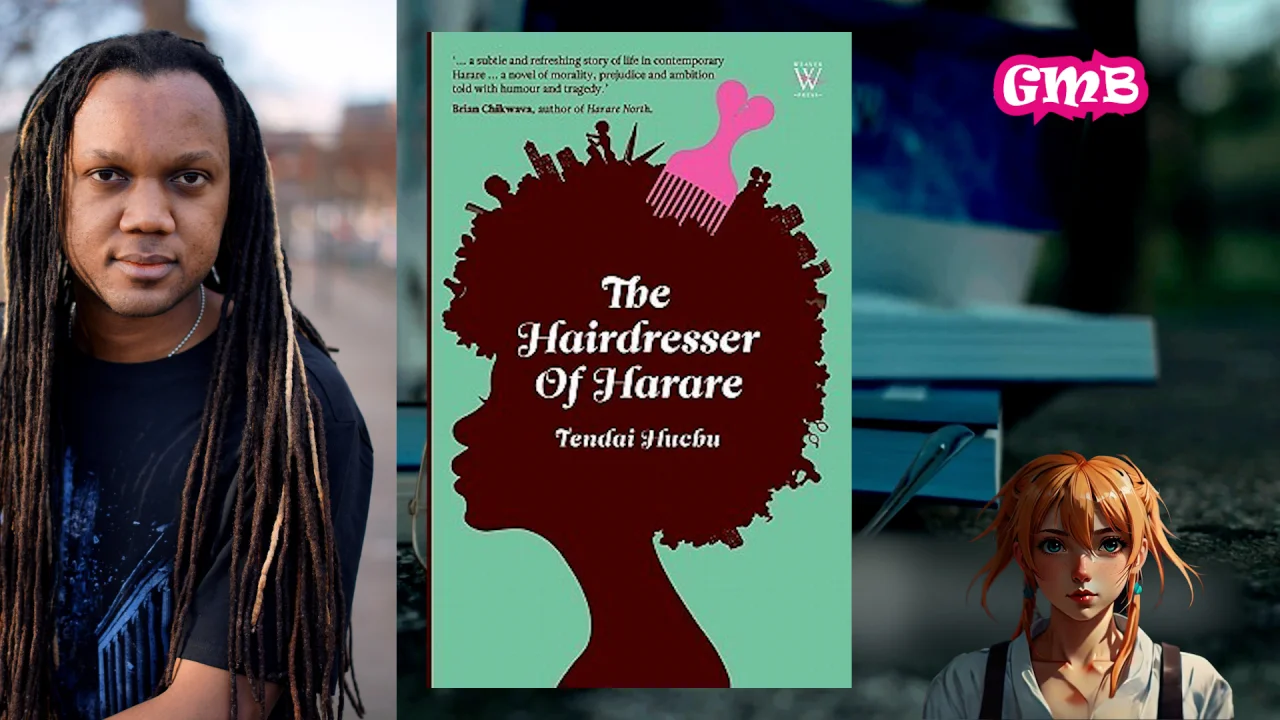
The Hairdresser Who Ruined the Salon — and Changed Everything
There’s a particular kind of irritation that comes from watching someone walk into your life and effortlessly take what you’ve worked years to build. Not through malice. Not through cheating. Just… talent. Charm. Timing.
That was the feeling The Hairdresser of Harare stirred in me almost immediately.
I smiled at first. Then I grew uneasy. Then uncomfortable. Then reflective. By the time I finished the book, I realized Tendai Huchu hadn’t written a “nice” novel. He’d written a necessary one.
What Kind of Novel Is This?
The Hairdresser of Harare is a social realist novel about identity, prejudice, belonging, and quiet rebellion.
-
Tone: Reflective, uncomfortable, occasionally sharp
-
Pace: Moderate, character-driven
-
Themes:
-
Sexual identity in hostile societies
-
Economic collapse and survival
-
Hypocrisy, self-discovery, moral grey zones
-
This book is for readers who:
-
Enjoy African fiction that challenges social norms
-
Like character-driven stories with moral tension
This book is not for readers who:
-
Want neat heroes and villains
-
Prefer escapism over introspection
👉 The edition I read is available here:
The Hairdresser of Harare by Tendai Huchu
A Salon, a Rival, and a Dangerous Friendship
Vimbai is the undisputed queen of Mrs. Khumalo’s hair salon in Harare. She brings in the clients. She brings in the money. She is the salon.
Until Dumisani arrives.
Dumi is everything Vimbai isn’t prepared for — charming, stylish, and devastatingly talented with scissors. One by one, her loyal clients drift toward him, and Vimbai watches her professional identity erode in real time.
Their rivalry is petty, funny, and painfully human. But then something unexpected happens.
Dumi asks Vimbai for a place to stay.
She agrees — out of kindness, curiosity, or perhaps a need to understand the man threatening her place in the world. That decision quietly changes everything.
The Lie That Feels Like a Gift
Dumi introduces Vimbai to his absurdly wealthy family — and casually presents her as his girlfriend.
Suddenly, Vimbai is welcomed into privilege. She’s showered with gifts, affection, and the title muroora — daughter-in-law. It’s intoxicating. Disorienting. Suspicious.
Why would the son of one of Zimbabwe’s richest families choose to be a hairdresser?
Why does he seem to be performing a role instead of living a life?
The answers are not comforting.
The Truth That Breaks Everything
Dumi is not in love with Vimbai.
He is in love with a man.
When Vimbai discovers this, her reaction is raw, furious, and deeply revealing — not just of her beliefs, but of the beliefs of the society she represents.
She calls it sickness. Betrayal. Impossible.
“The passages that were by far the sickest were the ones in which he declared his love for Mr. M__, as if such a thing were ever possible.”
This moment is the emotional fault line of the novel. Everything cracks here — friendships, identities, moral certainties.
Dumi questions corruption and injustice in Zimbabwe, yet he is the one forced to leave. Not because he wants to — but because the country will never allow him to exist honestly.
Why This Story Matters
This is not just a novel about sexuality.
It’s a novel about who gets to belong, and under what conditions.
Huchu sets this story against Zimbabwe’s worst economic crisis — hyperinflation, endless queues, mass emigration. Vimbai’s observation cuts painfully deep:
“Could it really be that independence had become a greater burden than the yoke of colonial oppression?”
That line lingered with me.
I believe deeply that ruling one’s own country — however badly — is better than foreign rule. Accountability must come from within. But desperation has a way of distorting even our most sacred convictions.
Vimbai’s thoughts are uncomfortable — and justified by the time she lives in.
A Glimpse of the Story (No Spoilers)
This is a story about:
-
A woman whose certainty is challenged
-
A man forced to live a lie to survive
-
A society that punishes honesty
It doesn’t shout. It doesn’t preach.
It lets prejudice speak for itself — and trusts the reader to feel the weight.
Who This Book Is Perfect For
You’ll enjoy this novel if:
-
You like fiction that interrogates belief systems
-
You enjoy African literature that takes risks
-
You read to think, not just escape
You might struggle with this book if:
-
You need moral clarity at all times
-
You dislike unresolved tension
-
You prefer fast-paced plots
👉 If this sounds like your kind of book, you can find it here:
The Hairdresser of Harare – Paperback Edition
My Honest Verdict
This isn’t a perfect novel — but it’s an honest one.
What worked:
-
Fresh metaphors and sharp observations
-
A narrator who feels painfully real
-
Bold engagement with a taboo subject
One line that stayed with me:
“I walked through the packed streets of the city feeling like I was being weighed down by thirty pieces of silver.”
What didn’t:
-
Some untranslated terms disrupted flow
-
A few generalizations felt unnecessary
-
Certain philosophical digressions could have been trimmed
Still, this book worked — emotionally, thematically, and intellectually.
As the first full-length African novel I’ve read that deals explicitly with homosexuality, it tempered my perspective. Not by convincing me — but by confronting me.
Final Thoughts & Recommendation
The Hairdresser of Harare doesn’t ask for your approval.
It asks for your attention.
It places prejudice, fear, desire, and hypocrisy in a small salon — and lets them collide quietly. When the book ends, nothing feels resolved, and that’s the point.
If you want African fiction that dares to enter uncomfortable rooms and stay there — this is worth your time.
👉 If you’d like to read the same edition I did, here’s the link:
The Hairdresser of Harare by Tendai Huchu
Similar Books You Might Like
-
The Quiet Violence of Dreams — K. Sello Duiker
-
We Need New Names — NoViolet Bulawayo
Best Format to Read This Book
Paperback — the pauses matter. You’ll want space to reflect.