 English
 French
 German
 Russian
 中文
中文
Women of Owu: When Liberation Becomes a Nightmare Waking Up to a World Gone Wrong
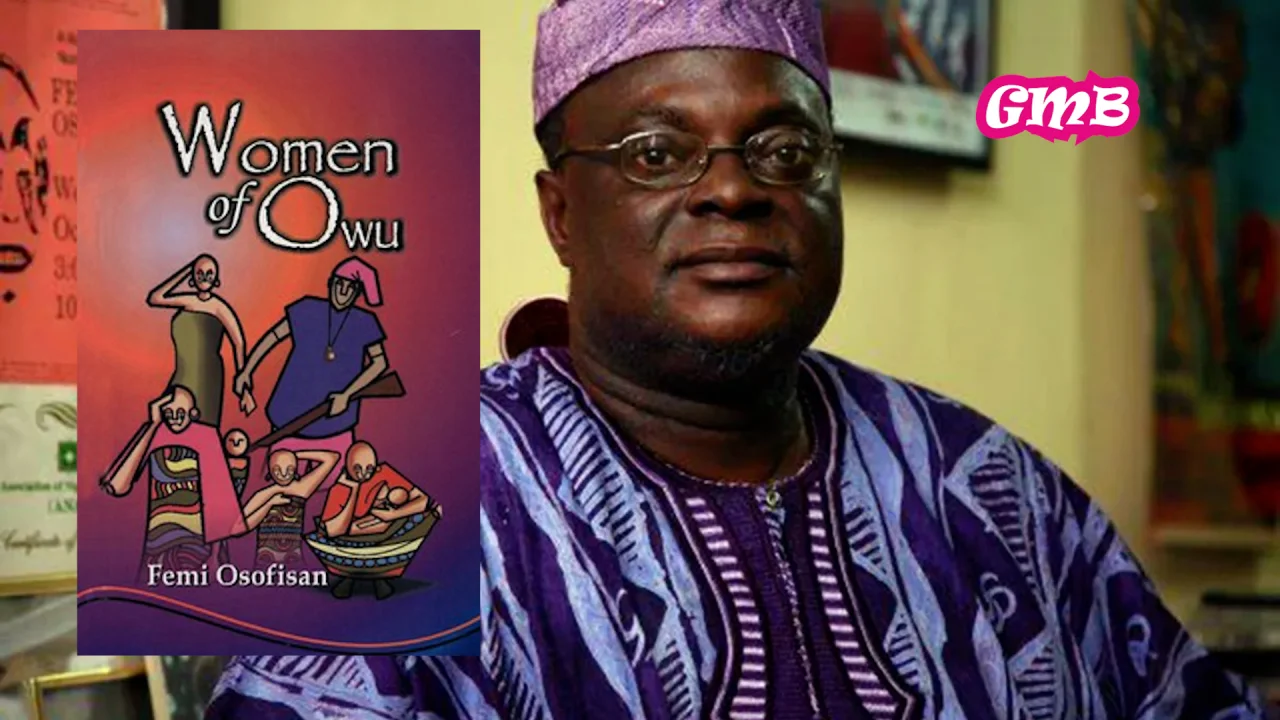
Imagine waking up one morning to find that your city, your home, your life, has been under siege for seven long years—and today, the walls finally fell. No, this isn’t a Netflix apocalypse series where the main character survives against all odds. Here, everyone dies. The men? Gone. The children? Gone. Even the dogs didn’t make it. What’s left? Only the women, standing amid the ruins of Owu, left to face a grim fate they could never have imagined.
Seven years of waiting, praying, and hoping. Seven years of living under threat, and for what? The story of Women of Owu by Femi Osofisan isn’t your typical tale of heroic battles. It’s darker, more devastating, and far more reflective—it asks: what happens when the word “liberation” becomes a euphemism for annihilation?
If you’re ready for a story that’s as intense as it is insightful, grab a cup of tea and prepare yourself. But a warning: this play will haunt you, and not just because of its tragedy.
👉 Get your copy of Women of Owu here on Amazon.
What Kind of Story Is This?
Women of Owu is a historical tragedy, adapted from Euripides’ The Trojan Women, set in a Yoruba city in Nigeria. Its tone is reflective, dark, and painfully truthful. Osofisan’s pace is deliberate, giving you time to feel the weight of the devastation while delivering sharp, biting humor.
Themes include:
-
The brutality and dehumanization of war
-
The hypocrisy of so-called “liberation”
-
Faith and the silence of the gods in times of despair
-
The resilience and voice of women under oppression
This play is for readers who:
-
Want stories that confront the realities of war and power
-
Enjoy African literature that blends history, myth, and social critique
-
Appreciate sharp, ironic dialogue
This play is NOT for readers who:
-
Prefer lighthearted or escapist fiction
-
Need clear heroes and villains
-
Avoid confronting uncomfortable truths about human cruelty
A Concise Look at the Story
The play is set in Owu, a once-thriving Yoruba city famous for its Apomu market. Prosperity, as always, attracts trouble. Enter the allied forces from Oyo, Ijebu, and Ife, who claim to come as “liberators” from the tyranny of Owu’s king. Sounds noble? Not quite. Their version of freedom includes seven years of siege, the slaughter of men and children, and total domination of the city.
The women are “spared,” but sparing comes with a grim catch—they become war trophies, forced into roles that strip them of dignity. Revenge and greed drive the invaders: the market is a goldmine, and a previous marital slight sparks a cycle of violence. Meanwhile, the gods remain silent.
Through the women’s eyes, Osofisan shows us the devastating aftermath of conquest: a city erased, lives destroyed, and the bitter truth about war masquerading as liberation.
Why This Story Matters
Women of Owu is more than a historical play—it’s a mirror to modern wars and the propaganda of “freedom” used to justify violence. Reading it, you can’t help but think about Iraq, Libya, Afghanistan, and countless conflicts where civilians pay the highest price.
The play’s heavy themes hit hard:
-
Brutality of war: The text spares no one in showing how war destroys both the innocent and the guilty.
-
Hypocrisy of liberation: Noble ideals often mask revenge, greed, or power grabs.
-
Silence of the gods: Faith fails when human cruelty is at its peak.
-
Resilience of women: Even in despair, the women find voice, irony, and truth.
Osofisan’s writing is subtle but cutting. His sarcastic, reflective dialogue makes you laugh, grimace, and pause, often in the same paragraph. By grounding this universal story in Yoruba history, he makes the tragedy both African and global—timeless and relevant.
About the Author
Babafemi Adeyemi Osofisan, born in June 1946 in Erunwon, Ogun State, Nigeria, is a literary giant whose works interrogate morality, society, and the human condition. He studied at the University of Senegal in Dakar and the University of Ibadan, later returning to teach at Ibadan. Osofisan’s plays are celebrated for blending African performance traditions with contemporary social critique.
Women of Owu exemplifies his craft: a story that teaches, challenges, and refuses to let readers remain comfortable.
Who Should Read Women of Owu
You’ll love this play if you:
-
Read fiction to think and reflect, not just escape
-
Appreciate African history and cultural retellings
-
Want stories that confront war, gender, and power
You might struggle with it if you:
-
Prefer fast-paced plots with clear resolutions
-
Avoid dark themes or uncomfortable truths
-
Dislike irony and sarcastic commentary
👉 Explore the 78-page play on Amazon here.
My Verdict
This isn’t a light read. It’s intense, devastating, and unflinching. But it’s also brilliant. Osofisan transforms a classic Greek tragedy into a distinctly African story, exposing the cruelty of war and the hypocrisy of so-called liberators. The humor, the irony, and the emotional depth make it unforgettable.
Even with its brevity, Women of Owu leaves a lasting impact. It forces readers to question: when does liberation become oppression? Who truly benefits from war? And how do ordinary people survive the ambitions of the powerful?
Final Thoughts
Women of Owu is a must-read for anyone interested in African literature, history, and the human cost of war. It’s sharp, haunting, and deeply reflective—a reminder that the stories of the past are never just about the past.
Whether you’re reading it for study, reflection, or the sheer power of storytelling, this play will stay with you long after the final page. And if you ever get a chance to see it performed on stage, don’t miss it—the live experience amplifies every emotion Osofisan intended.
So, tell me: do you think wars can ever truly be about liberation? Or is “freedom” just the most persuasive marketing slogan in history?
👉 Read Women of Owu on Amazon here: Amazon link.