 English
 French
 German
 Russian
 中文
中文

The Smiling Thief Everyone Calls “A Man of the People”
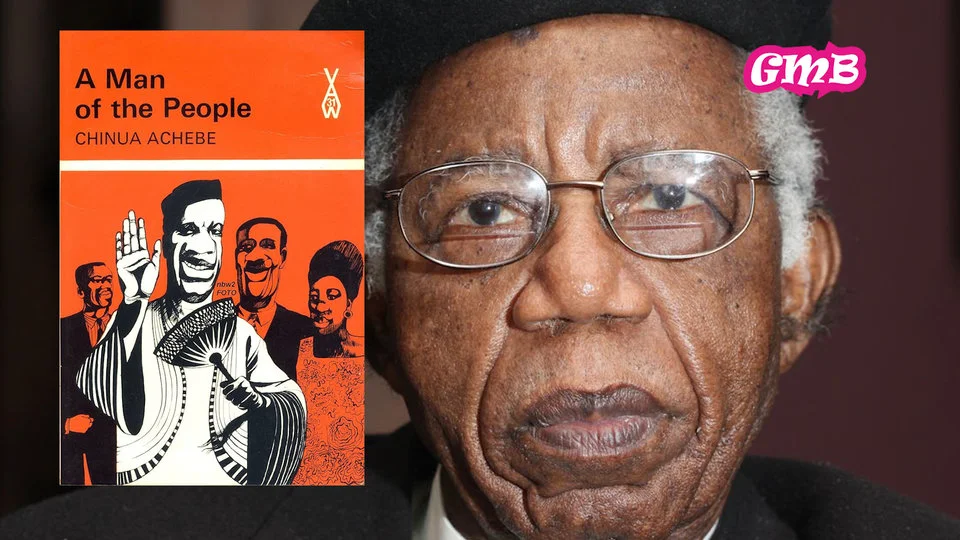
There’s a certain type of man every neighbourhood seems to worship.
He arrives late to funerals in dark sunglasses, flanked by bodyguards. He shakes hands like a king blessing subjects. He throws money around like it’s nothing — and somehow convinces everyone that this generosity makes him righteous. Nobody asks where the money comes from. Nobody wants to know.
While reading this novel, I kept thinking: I’ve met this man. Not once. Not twice. In fact, I’ve seen him win elections.
What unsettled me wasn’t the corruption itself — it was how easily everyone laughed along with it. Including the man who swore he was different.
That’s the discomfort A Man of the People quietly forces on you.
What Kind of Novel Is This?
This is a political satire about corruption, hypocrisy, and moral compromise in post-independence Africa.
Tone: Sharp, ironic, darkly humorous
Pace: Moderate, deceptively easy to read
Themes: Power, greed, betrayal, moral decay, political hypocrisy, revenge
This book is for readers who:
-
Enjoy fiction that exposes uncomfortable social truths
-
Like political stories that don’t pretend heroes are pure
This book is not for readers who:
-
Want clear good vs evil characters
-
Prefer neat moral lessons with satisfying victories
👉 The edition I read is available here:
A Man of the People by Chinua Achebe (Paperback / Kindle) — Amazon link
Why This Story Matters (The Emotional Core)
At its heart, this novel isn’t really about politicians.
It’s about people who know something is wrong — and still benefit from it.
Odili, the narrator, starts out believing in merit, honesty, and hard work. He genuinely thinks intelligence and integrity should count for something. But the world quickly teaches him otherwise:
“…it didn’t matter what you knew but who you knew.”
What Achebe exposes is how corruption doesn’t survive on greedy leaders alone. It survives because everyone adjusts their conscience just enough to live with it.
People expect politicians to steal. They excuse it as “God’s blessing.” They accept handouts and call it development. Even Odili, who despises corruption, enjoys its comfort when it’s offered to him. He laughs. He eats well. He drinks expensive whisky.
And only when corruption humiliates him personally does he suddenly discover political courage.
That’s the knife Achebe twists.
A Glimpse of the Story (No Spoilers)
A young idealistic teacher reunites with his former mentor — now a powerful, beloved politician.
He visits the politician’s mansion and witnesses corruption up close: money, women, deals, influence — all flowing freely.
What begins as moral disgust slowly turns into complicity, then humiliation, and finally revenge.
And just when politics seems settled by violence and money, history intervenes in the most brutal way possible.
Who This Book Is Perfect For
You’ll enjoy this novel if:
-
You like books that question your own moral comfort
-
You enjoy satire that feels painfully real
-
You read fiction to understand society, not escape it
You might struggle with this book if:
-
You need likeable protagonists
-
You want corruption punished neatly
-
You dislike stories that end without emotional comfort
👉 If this sounds like your kind of book, you can find it here:
A Man of the People by Chinua Achebe — Amazon link
My Honest Verdict
This isn’t a comfortable novel.
Odili frustrated me. Chief Nanga disgusted me. Society annoyed me. And that’s exactly why the book works.
What worked:
-
Brutally honest portrayal of corruption
-
Sharp, effortless satire
-
Eerily prophetic political insight
What didn’t:
-
Odili is hard to sympathize with
-
The moral ground is intentionally unstable
Why I still recommend it:
Because it refuses to flatter the reader. It doesn’t let you stand safely outside corruption and point fingers. It asks a far more dangerous question:
At what point would you compromise too?
Final Thoughts & Recommendation
A Man of the People is not a historical novel. It feels like tomorrow’s headlines written yesterday.
Achebe doesn’t scream. He observes. He lets characters expose themselves. And by the end, you realize the real target of his satire isn’t just politicians — it’s society’s willingness to excuse them.
This is a book for readers who want literature to challenge them, irritate them, and linger long after the final page.
👉 If you’d like to read the same edition I did, here’s the link:
A Man of the People – Chinua Achebe — Amazon link
Similar Books You Might Like
-
The Beautyful Ones Are Not Yet Born — Ayi Kwei Armah
-
No Longer at Ease — Chinua Achebe
Best Format to Read This Book
Paperback — short chapters, sharp dialogue, and passages you’ll want to underline.