 English
 French
 German
 Russian
 中文
中文

Traces of a Life: When Poetry Meets Politics and Personal History
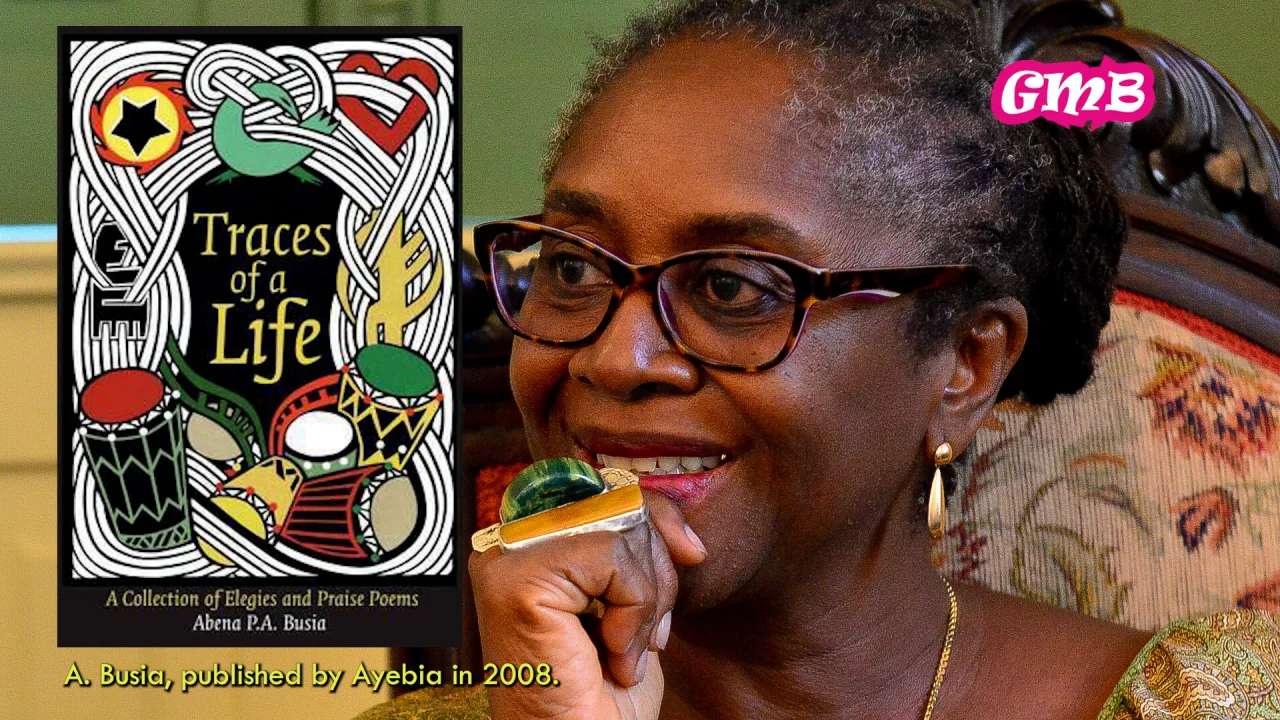
You know that feeling when a book doesn’t just sit on your shelf, but reaches out and pulls you into someone else’s soul? Sometimes gently, sometimes like a suitcase being yanked off an airport carousel before you’re ready. That’s exactly what Traces of a Life: A Collection of Elegies and Praise Poems by Abena P. A. Busia does.
From the very first poem, you sense you’re being handed something intimate: part diary, part photograph, part unfiltered heart. It’s a mix of grief and celebration, politics and poetry, all steeped in personal memory. This is the kind of poetry that doesn’t just tell a story—it makes you feel as if you’ve stumbled into someone’s living room mid-conversation, listening as life unfolds.
A Life Caught Between Politics and Poetry
Imagine growing up in a family where politics isn’t a sidebar, but the main event. That was Busia’s reality. Her father, K. A. Busia, was a central figure in Ghanaian politics, serving as Prime Minister from 1969 to 1972, after having been opposition leader under Kwame Nkrumah. In a country where coups were practically part of the weather forecast, life for Busia’s family was never predictable.
Her poems capture that turbulence vividly. Loss is everywhere—loss of loved ones, loss of homeland, loss of the ordinary rhythms of life. Yet amid grief, there are moments of celebration: birthdays, marriages, anniversaries. But even joy is tinged with absence, a subtle reminder of exile and the instability of political life.
Through her work, we also see the personal costs of political upheaval: the fear, anger, and uncertainty that ripple through families, the invisible scars left by coups and crackdowns. Busia’s poetry turns history into lived experience, showing how deeply politics can affect the human heart.
Why This Collection Stands Out
What makes Traces of a Life especially compelling is Busia’s clarity and accessibility. African poetry can sometimes drift into abstraction, but her lines are direct, emotionally precise, and deeply relatable. You don’t need a guide to decode metaphors; the feelings speak for themselves.
The collection also doesn’t shy away from complexity. Busia condemns some coups, while offering nuanced praise for others, reflecting her personal experiences and family history. It’s a reminder that political morality isn’t always black and white—sometimes it’s as tangled as the lives it shapes.
Her poems aren’t a textbook on Ghana’s political history—they’re intimate testimonies, showing the human side of power and the emotional realities of living under political upheaval.
Key Themes to Note
Several themes emerge powerfully throughout the collection:
-
Loss as a Constant: From exile to personal bereavement, absence permeates every corner of her life.
-
Politics as a Family Affair: The poems illustrate how political decisions impact families emotionally and psychologically.
-
Moral Complexity: The nuanced treatment of different coups shows that history and personal experience are rarely clear-cut.
-
Exile: Both physical and emotional, shaping identity and experience.
-
The Human Side of Power: Politicians—and their families—are vulnerable, capable of joy, grief, and contradiction.
About the Author
Abena P. A. Busia is a distinguished Ghanaian poet, academic, writer, and diplomat. Beyond her literary contributions, she served as Ghana’s ambassador to Brazil and is a leading voice in African literature and feminist scholarship. Growing up as the daughter of K. A. Busia meant living at the intersection of public life, literature, and politics—a perspective that infuses her writing with both emotional depth and historical insight.
My Thoughts on Traces of a Life
Reading this collection is like walking through a home you’ve never visited, yet instantly recognize. There’s intimacy, but also perspective—the personal woven seamlessly with the political. The poetry flows, drawing you into experiences that might feel foreign at first, yet resonate universally: loss, joy, exile, and the contradictions of life.
The collection’s authenticity shines through, especially in Busia’s nuanced political stance. She isn’t morally rigid, and that honesty makes her reflections richer, more human, and profoundly relatable.
Who Should Read This Book
You’ll love this collection if you:
-
Enjoy poetry that blends the personal with the historical
-
Are interested in African literature and Ghanaian political history
-
Appreciate nuanced, human portrayals of power and exile
You might struggle with it if you:
-
Prefer linear narratives or plot-driven books
-
Want clearly defined heroes and villains
-
Dislike open-ended reflections and ambiguity
👉 Check out the edition I read here: Amazon link
Final Recommendation
Traces of a Life isn’t just poetry—it’s an intimate look at the costs, contradictions, and emotional realities of political life. Ghanaian poet and diplomat invites you into her world with openness, warmth, and honesty. It’s personal, political, and beautifully crafted—a must-read for anyone who wants to understand how history feels from the inside.
Whether you’re a poetry lover, a student of African history, or someone drawn to human stories behind public events, this book will linger in your mind long after the last page.