 English
 French
 German
 Russian
 中文
中文

When Life Hands You a Mistress’s Dog: A Review of David Medalie’s Sharpest Satire
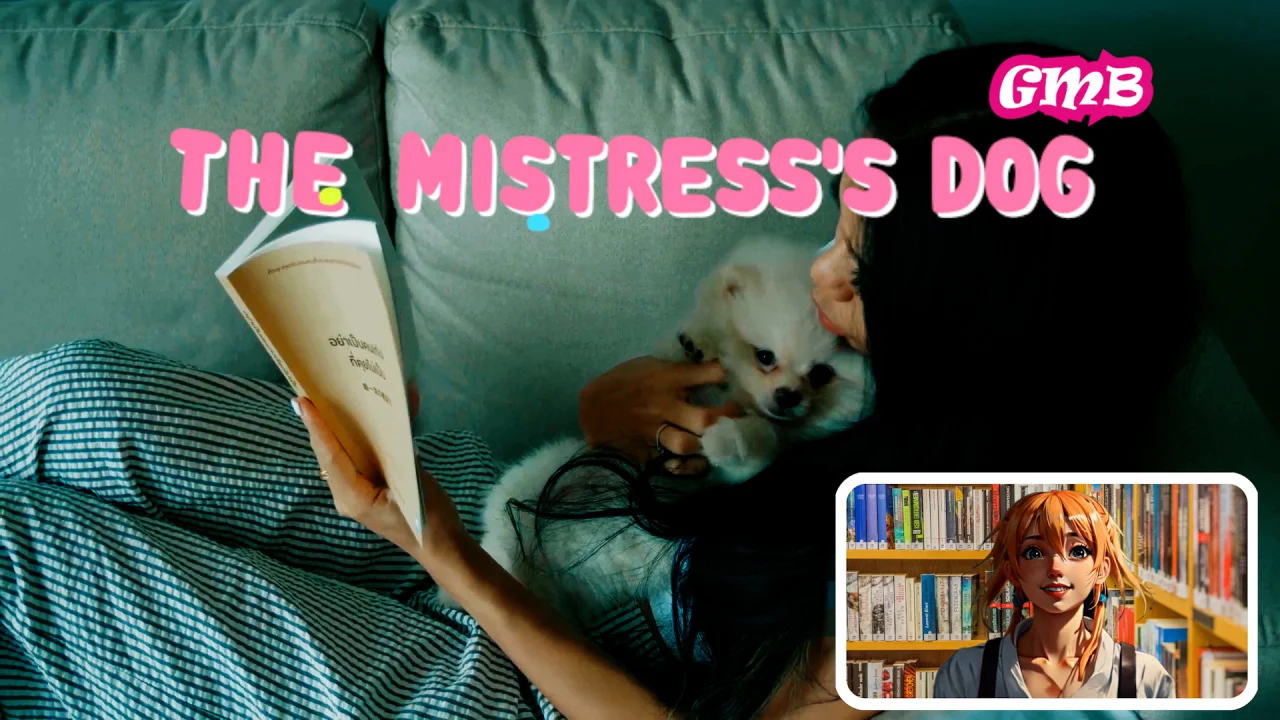
Have you ever had a book sit on your shelf for an entire year, acting as a sort of literary security blanket? You carry it from room to room, promising you’ll crack it open, but something stops you. Maybe you aren’t a "short story person," or maybe—if we’re being honest—you were a bit put off by the "questionable taste" of other stories on the same award shortlist.
That was me with "The Mistress’s Dog" by David Medalie. And boy, was I wrong to wait.
What I found when I finally sat down was a story that is absolutely hilarious, searingly cynical, and surprisingly deep. It’s a tale of baggage—both the emotional kind and the four-legged kind.
The Premise: A Legacy of Hair and Heartbreak
The story opens with a dog. But this isn't just any pet; this is the dog. This canine has managed to outlive the two people who made our protagonist Nola’s life "silently difficult" for decades: her husband and his long-term mistress.
Nola is a self-proclaimed cat person. Naturally, life decides to play a cruel joke by dumping this dog in her lap. She is now responsible for the living, breathing remains of a decades-long betrayal.
The story refers to the other woman simply as "The Mistress." Not Sarah, not Jennifer—just the title. It sets the tone for a narrative that explores how we reduce people to their roles, especially when those roles are defined by power and secrets.
“She remained single, devoted herself to what she called her 'career' (she was a powerful man's secretary), and had an affair that endured for over a decade with a married man.”
If you're looking to dive into the full collection, you can find The Mistress's Dog and Other Stories on Amazon.
The Illusion of the "Empowered" Woman
What makes Medalie’s writing so brilliant is how he deconstructs the facade of the "modern woman." To the outside world, The Mistress was glamorous: bold, unconventional, and fiercely independent. But Nola, watching from the sidelines of her own marriage, saw the truth.
The Mistress had a habit of laughing excessively—that forced, theatrical laughter designed to convince everyone (including herself) that she was living her best life. In reality, Nola knew she was "weak and fearful and frightened of being alone." Her "independence" was a total fiction; it was limited strictly to not having a marriage certificate, while the "Powerful Man" footed every single bill.
The Brutal Downfall
Affairs with powerful men usually have an expiration date, and this one was no different. When the Powerful Man retired after thirty years of "service" (fifteen of which were intimate), he did what married men of a certain status do: he took his wife and moved to Cape Town.
The Mistress was left behind in Johannesburg. Without a real career, a husband, or a sugar daddy, her decline was swift and "decrepit." She ended up in a home for the aged—a far cry from the glamorous life she pretended to lead.
But the real kicker? On his deathbed, the husband begs Nola—the woman he cheated on for fifteen years—to take care of the mistress’s dog once she passes away. The absolute audacity!
Why You Should Read It
This story was shortlisted for the 12th Caine Prize for African Writing and appears in the anthology To See the Mountain and Other Stories.
David Medalie, a professor and acclaimed South African author, excels at finding the razor-thin line between comedy and tragedy. Here is why the story sticks with you:
-
The Anonymity: By never naming the "Powerful Man" or the "Mistress," Medalie reduces them to archetypes, highlighting how they stripped away their own humanity for the sake of their roles.
-
The Irony: It is a scathing look at "fashionable" choices—the way we normalize self-deception in the name of being "unconventional."
-
The Dog: The dog is the ultimate witness. It is a living reminder that for every beginning, there is an end.
Final Thoughts
"The Mistress’s Dog" is a reminder that our assumptions about "good taste" or literary prizes can sometimes blind us to genuine gems. It’s a story about power, dependency, and the animals that outlive our messy human dramas.
If you're interested in exploring more South African literature, I highly recommend checking out David Medalie’s debut novel, The Shadow Follows.
What about you? Have you ever carried a book around for a year before finally reading it? Let me know in the comments!