 English
 French
 German
 Russian
 中文
中文

When Love Requires Fake Uncles and Legal Documents
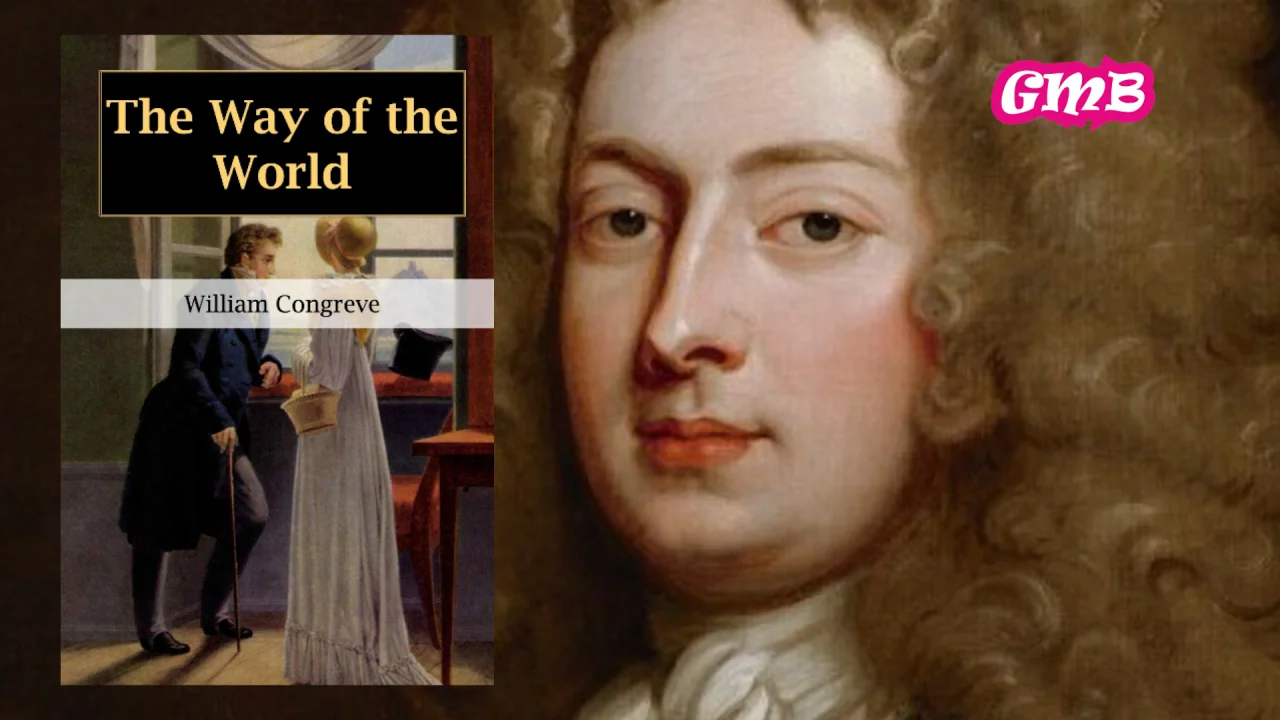
You know a love story is unhinged when a man’s romantic strategy involves disguising his servant as his uncle, marrying him off to an elderly woman, and then heroically “saving” her from the very marriage he engineered.
That’s not the plot twist — that’s the plan.
The Way of the World is a story where everyone is clever, no one is innocent, and love looks less like poetry and more like a courtroom dispute over money, reputation, and leverage. Marriage isn’t a fairy-tale ending here; it’s a contract negotiated by people who know exactly how fragile power and affection can be.
At the center of it all stands Mirabell — charming, calculating, occasionally manipulative, but utterly determined to marry the woman he loves, no matter how ridiculous or morally flexible his strategy becomes.
If you’re expecting soft romance and grand declarations, look elsewhere. This is a world of sharp tongues, sharper minds, scandalous secrets, and one of the most absurd marriage schemes ever written — and that’s exactly why it works.
👉 The edition I read — a clear, well-annotated classic — is available here:
The Way of the World by William Congreve (Amazon link)
What Kind of Play Is The Way of the World?
This is a Restoration comedy of manners — witty, ruthless, and obsessed with how people perform love in public while negotiating power in private.
Tone: Sharp, satirical, unapologetically clever
Pace: Moderate, but dense with dialogue and verbal sparring
Themes:
-
Love vs. money
-
Marriage as a social contract
-
Reputation and scandal
-
Gender, autonomy, and control
-
Manipulation disguised as civility
This play is for readers who:
-
Enjoy smart dialogue and intellectual duels
-
Like stories where characters outthink each other
-
Appreciate classics that feel surprisingly modern
This play is not for readers who:
-
Prefer fast action over conversation
-
Want clearly defined heroes and villains
-
Dislike morally complicated protagonists
A Glimpse of the Story (No Spoilers, Just the Setup)
Before the curtain even rises, the damage has already been done.
Mirabell — charming, socially agile, but not wealthy — once had an affair with Mrs. Fainall. Fearing scandal, he arranged her marriage to a respectable man: Mr. Fainall. Unfortunately, Mr. Fainall married her for her money and promptly began an affair of his own.
Now Mirabell is in love with Millamant — clever, independent, and fully aware of how the world works. But half her fortune is controlled by her aunt, Lady Wishfort, who despises Mirabell after a humiliating misunderstanding years earlier.
So Mirabell does what any reasonable man would do in 1700: he invents a fake uncle, arranges a fake courtship, marries his servants to lock down loyalty, and prepares to “rescue” Lady Wishfort from embarrassment — all to secure permission to marry Millamant.
It’s ingenious. It’s ridiculous. And it’s about to collapse.
Why This Story Still Matters
What makes The Way of the World endure isn’t the scheming — it’s the honesty beneath the wit.
This play understands something deeply uncomfortable: that love doesn’t exist in a vacuum. It’s entangled with money, status, reputation, and fear. Marriage, in particular, is shown not as a romantic ideal but as a negotiation — sometimes loving, sometimes cynical, always consequential.
At the heart of the play is Mirabell’s relationship with Millamant. Despite all the manipulation surrounding them, their bond is rooted in mutual respect. They don’t idealize each other. They negotiate.
Their famous “proviso scene” reads like two intelligent equals drafting a legal agreement for love:
“I’ll lie a-bed in a morning as long as I please.”
“I’ll be as jealous as you please after the ceremony, but beforehand not.”
It’s funny — but it’s also radical. Millamant refuses to surrender her autonomy, and Mirabell accepts her terms. For a play written in 1700, that kind of balance feels startlingly modern.
Then there’s Lady Wishfort — vain, ridiculous, desperate to be admired — yet oddly human. She represents a generation obsessed with appearances, terrified of aging, and clinging to control as society shifts beneath them.
Fainall and Mrs. Marwood embody the darker truth beneath polite society: greed, betrayal, and the willingness to destroy others to maintain power. Their downfall isn’t just satisfying — it’s revealing.
What lingers after the final act isn’t just laughter. It’s the unsettling realization that very little has changed.
Love still negotiates with money.
Marriage still involves compromise.
And intelligence remains the sharpest weapon in any relationship.
👉 If you want to experience this play with helpful notes and modern formatting, this edition is an excellent choice:
The Way of the World (Amazon link)
My Honest Verdict
This isn’t a perfect play — but it’s an honest one.
Some readers may find the language dense at first, and the web of relationships can feel overwhelming until it clicks. But once it does, the pleasure is immense.
What works:
-
Brilliant dialogue
-
Complex, intelligent characters
-
A surprisingly modern view of love and marriage
What might not:
-
Minimal physical action
-
Heavy reliance on conversation and subtext
-
No clear moral comfort zone
And yet, that discomfort is the point.
Congreve doesn’t flatter the audience. He trusts you to keep up — and rewards you if you do.
Final Thoughts
The Way of the World is messy, clever, cynical, and deeply human. It shows a society where love survives not because people are pure, but because they’re honest about their flaws.
It’s a play that understands marriage as negotiation, love as compromise, and wit as survival. And somehow, despite all the deception and manipulation, it still believes that genuine connection is possible — if both parties enter with open eyes.
If you enjoy classics that challenge rather than comfort, this one is absolutely worth your time.
👉 If you’d like to read the same edition I did, you’ll find it here:
The Way of the World by William Congreve (Amazon link)