 English
 French
 German
 Russian
 中文
中文

The Courage to Stand Alone in a World That Tried to Erase You
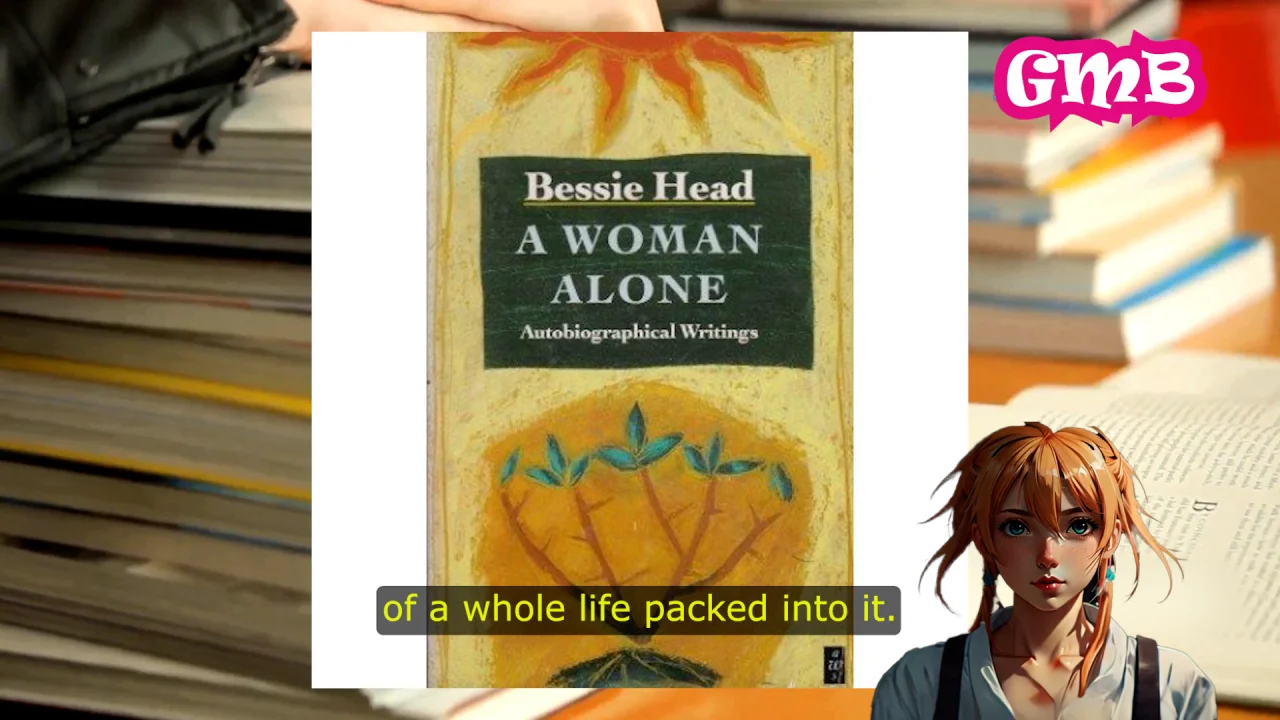
There’s something unsettling about reading a woman’s private thoughts and realizing she was carrying more history on her shoulders than most nations.
When I opened A Woman Alone, I expected essays. Reflections. Maybe a few literary commentaries.
What I didn’t expect was to feel like I was sitting across from someone who had survived scandal, exile, poverty, mental illness, and political rejection — and still found space in her heart for hope.
This isn’t a dramatic, plot-heavy book. It’s quieter than that. But it’s heavy in a way that lingers long after you close it.
What Kind of Book Is This?
This is a reflective, autobiographical collection — part memoir, part letters, part philosophical meditation — about identity, exile, faith, and survival.
Tone: reflective, raw, quietly defiant
Pace: slow and contemplative
Themes: exile, apartheid, resilience, spirituality, belonging, motherhood
This book is for readers who:
-
Want to understand apartheid through one woman’s lived experience
-
Appreciate literary introspection over dramatic storytelling
-
Love African literature rooted in place and struggle
This book is NOT for readers who:
-
Need fast-moving plots
-
Prefer linear autobiographies with clear structure
-
Want neat resolutions to painful histories
👉 The edition I read is available here:
A Woman Alone by Bessie Head
Why This Book Hits Harder Than You Expect
Bessie Head’s life didn’t begin gently.
Born in 1937 to a white South African woman and a black man at a time when interracial relationships were illegal and scandalous, she entered the world inside a mental institution. Her mother was institutionalized for the “crime” of loving across racial lines. That’s how this story begins — not with choice, but with punishment.
She grew up in foster homes and mission houses in apartheid South Africa. She became a teacher. Then a journalist. Then, inevitably, a political threat.
Eventually, she fled South Africa and settled in Botswana — only to discover that exile comes with its own loneliness. Botswana gave her refuge, but not immediate acceptance. Citizenship was a battle. Poverty was constant. Mental health struggles followed her like a shadow.
And yet — here’s what stayed with me — she never wrote like a victim.
In A Woman Alone, she writes with clarity and unsettling honesty. She questions God. She reflects on why Christianity never truly held her. She wonders why black suffering seemed invisible to the divine. There’s anger, yes — but also a stubborn kind of spiritual searching.
One line from the book struck me deeply:
“I feel in my heart that our Pharaoh has already been born…”
It’s a statement of hope in the middle of despair. Possibly a reference to Nelson Mandela, though she never confirms it directly. Even in exile, she still believed South Africa would one day find its liberator.
That’s what this book is really about.
Not just isolation.
But the kind of resilience that grows in isolation.
A Glimpse of the Story (No Spoilers)
There’s no traditional storyline here.
Instead, we encounter:
-
A woman born into scandal in apartheid South Africa
-
A writer forced into exile
-
A single mother fighting for stability in Botswana
-
An intellectual wrestling with faith, injustice, and belonging
It’s a moral and emotional dilemma more than a plot-driven narrative:
How do you build a sense of self when the world keeps telling you that you shouldn’t exist?
That question hums beneath every page.
The Literary Legacy Behind the Woman
Before reading this collection, many readers encounter Bessie Head through her novels:
-
When Rain Clouds Gather
-
Maru
-
A Question of Power
In A Woman Alone, she reflects on these works — explaining their emotional roots and the lived experiences behind them.
Reading this book feels like stepping backstage into her creative mind.
You begin to understand that her fiction was never “just fiction.” It was survival translated into narrative.
Who This Book Is Perfect For
You’ll enjoy this book if:
-
You like literature that feels personal and unfiltered
-
You’re drawn to stories about exile and identity
-
You read fiction and memoir to understand history emotionally
You might struggle with this book if:
-
You prefer action over introspection
-
You want structured chapters with a clear beginning, middle, and end
-
You dislike philosophical reflections on religion and politics
👉 If this sounds like your kind of book, you can find it here:
A Woman Alone
My Honest Verdict
This isn’t a perfect book — but it’s an honest one.
What worked:
-
The raw vulnerability
-
The intellectual depth
-
The insight into apartheid from the inside
What didn’t:
-
The fragmented structure can feel disjointed
-
Some sections feel more like archival material than narrative
But here’s the thing.
That fragmentation mirrors her life.
Displacement. Interrupted belonging. Scattered identity.
It feels intentional — even when it’s uncomfortable.
And because of that, I still recommend it.
Not as an easy read.
But as an important one.
Final Thoughts: A Woman Alone, But Never Small
When I finished this book, I kept thinking about isolation.
Not the dramatic, cinematic kind.
The quiet kind.
The kind where you’re raising a child alone in a dry village in Botswana. The kind where your homeland has closed its doors to you. The kind where faith feels uncertain and citizenship feels fragile.
And yet — you keep writing.
You keep believing.
You keep imagining a better future.
Bessie Head died at just 49 years old in Serowe, Botswana. But her voice remains one of the most distinctive in African literature.
If you want to understand apartheid not as a political system but as a personal wound, this book will stay with you.
It’s slim.
But it carries the weight of a lifetime.
👉 If you’d like to read the same edition I did, here’s the link:
A Woman Alone
Similar Books You Might Like
-
Nervous Conditions by Tsitsi Dangarembga
-
The Beautyful Ones Are Not Yet Born by Ayi Kwei Armah
Both explore postcolonial African identity with similar emotional weight.
If you read this book, don’t rush it.
Let it sit with you.
Some voices don’t shout.
They endure.