 English
 French
 German
 Russian
 中文
中文

Between Two Hills, One River, and a Tragic Hero: A Review of The River Between by Ngũgĩ wa Thiong’o
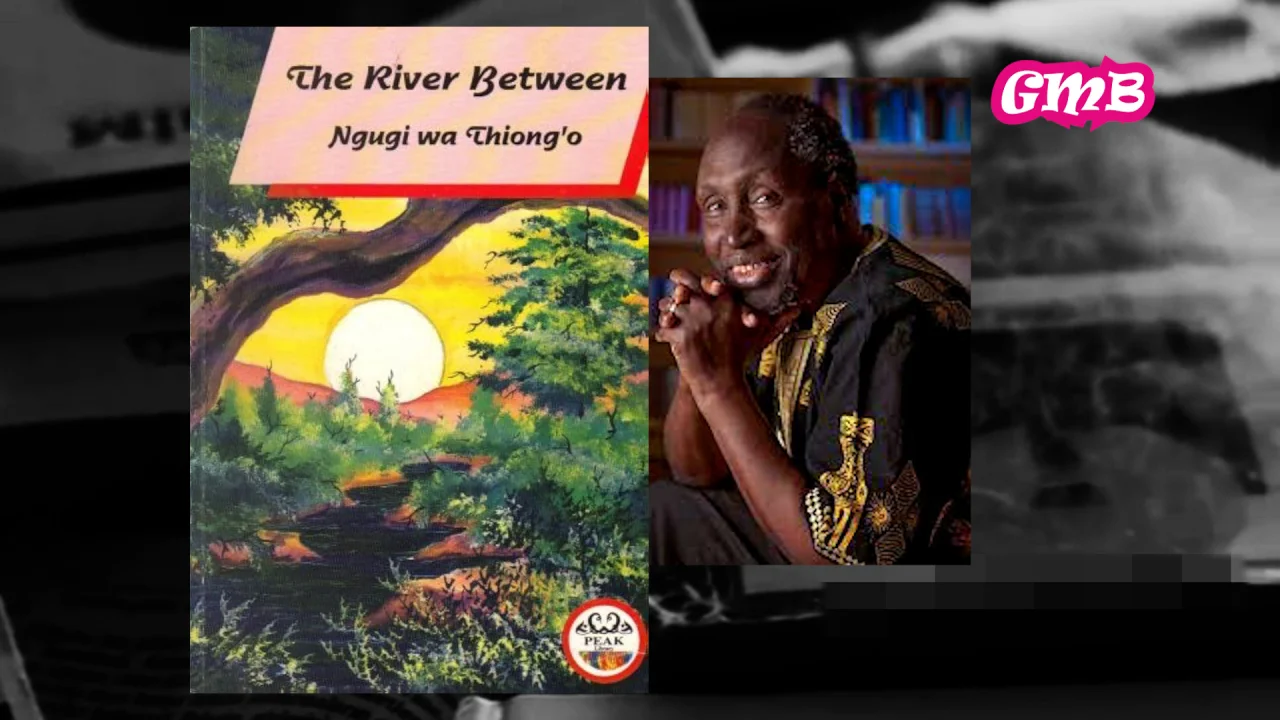
There’s a river. It flows quietly, threading its way between two hills, witnessing everything without judgment. But unlike most rivers, the Honia River does more than just carry water—it carries stories, conflict, prophecy, and yes, even death.
Back in the Kikuyu highlands of Kenya, Christian missionaries arrived carrying Bibles in one hand and the disruption of centuries-old traditions in the other. Between the ridges of Kameno and Makuyu, the quiet hills become the stage for a drama that explores pride, faith, and identity—escalating to a level where a single river could hardly contain it.
At the heart of it all is a boy named Waiyaki. Born into a lineage of seers, he is thrust into a prophecy that demands he lead and save his people. All he wanted was a normal boyhood, maybe a game of football with his friends. Instead, destiny weighs on him like a boulder. Waiyaki dreams of bridging the gap between tradition and modernity, believing education—not spears or politics—holds the key to unity.
But the path is anything but smooth. On one side, Makuyu embraces Christianity under the stern guidance of Joshua. On the other, Kameno clings fiercely to ancestral customs. Into this tension steps Muthoni, Joshua’s daughter, who desires circumcision not as rebellion but as a claim to identity. Her tragic death becomes the spark that ignites an unstoppable chain of conflict. Waiyaki’s efforts to unite the ridges through knowledge seem destined to crumble, as ideologies clash, loyalties fracture, and love complicates duty when he falls for Nyambura, Muthoni’s sister.
What Kind of Novel Is This?
The River Between is a historical, reflective novel about prophecy, colonialism, identity, and the impossible balancing act of leadership.
-
Tone: Light at times, dark and tragic in moments of loss
-
Pace: Moderate, steadily building tension as Waiyaki navigates a world split in two
-
Themes: Division, identity, education, tradition vs modernity, leadership, love, and the personal cost of societal expectation
This book is for readers who:
-
Enjoy novels exploring cultural identity and colonial history
-
Appreciate characters caught between tradition and change
This book is NOT for readers who:
-
Prefer fast-paced plots without introspection
-
Expect clear heroes and villains
-
Dislike open-ended or morally complex narratives
👉 You can find this edition here: The River Between on Amazon
Why This Story Matters
Ngũgĩ wa Thiong’o doesn’t just tell a story about two hills in Kenya; he holds up a mirror to any society divided by ideology. The novel asks: who defines authenticity? Can education be a bridge, or is it inevitably a wedge?
What stays with you after reading is the complexity of leadership. Waiyaki’s tragedy isn’t a failure of vision—it’s the impossible expectation that one person can reconcile a community’s conflicting beliefs. Kameno and Makuyu aren’t just hills; they are metaphors for every ideological divide—from politics to religion, even the small yet heated debates over pineapple on pizza.
It’s a story that resonates globally because the conflict between tradition and modernity is never truly local. The novel forces you to confront questions without neat answers, challenging us to consider the cost of unity, identity, and progress.
A Glimpse of the Story
In the Kikuyu highlands, two ridges—Kameno and Makuyu—stand opposed. Waiyaki, the son of a prophet, grows up caught between these worlds. As he pursues education as a tool for unity, tragedy strikes in the form of Muthoni, a young girl seeking her rite of passage. Love, politics, and prophecy converge, culminating in a story of aspiration, heartbreak, and societal fracture.
Who This Book Is Perfect For
You’ll enjoy this novel if:
-
You like stories that explore cultural identity and moral complexity
-
You enjoy reflective, character-driven narratives
-
You read fiction to think, not just escape
You might struggle with this book if:
-
You need fast-paced action or clear-cut resolutions
-
You prefer simplistic depictions of right and wrong
-
Open-ended philosophical questions frustrate you
👉 If this resonates, you can grab a copy here: The River Between on Amazon
My Honest Verdict
The River Between is not Ngũgĩ’s most fiery or radical work—but it is foundational. The novel quietly demonstrates his gift for portraying the real Africa: its traditions, its fractures, and the young people caught in the crossfire of history. The narrative blends prophecy, politics, and love into a tight, 152-page reflection on the cost of leadership and the tension between old and new.
About the Author
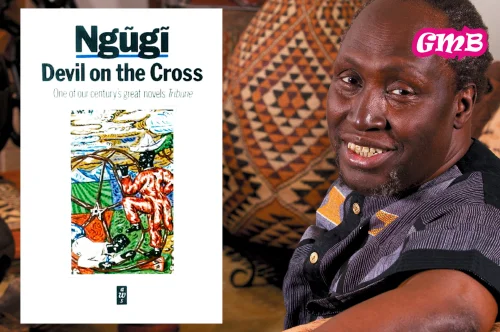
Ngũgĩ wa Thiong’o, born in 1938 in Kenya, is a titan of African literature. His experiences under colonial rule, through the Mau Mau rebellion, and into independent Kenya inform every page he writes. Later works like Petals of Blood and Devil on the Cross are more radical, but The River Between is where his exploration begins—an early, contemplative meditation on identity, leadership, and the possibility of unity.
Final Thoughts
Waiyaki tried to heal his people with education. We still try in our own ways. Ngũgĩ’s early novel reminds us that bridging divides is never simple, yet the attempt is noble and necessary.
If you’ve read The River Between, share your thoughts—did Waiyaki succeed in your eyes? And if you haven’t yet, this short but profound novel is a perfect place to start your journey into Ngũgĩ’s world.
👉 Read the same edition I did here: The River Between on Amazon