 English
 French
 German
 Russian
 中文
中文

The Smartest War Ever Fought… Without Fighting
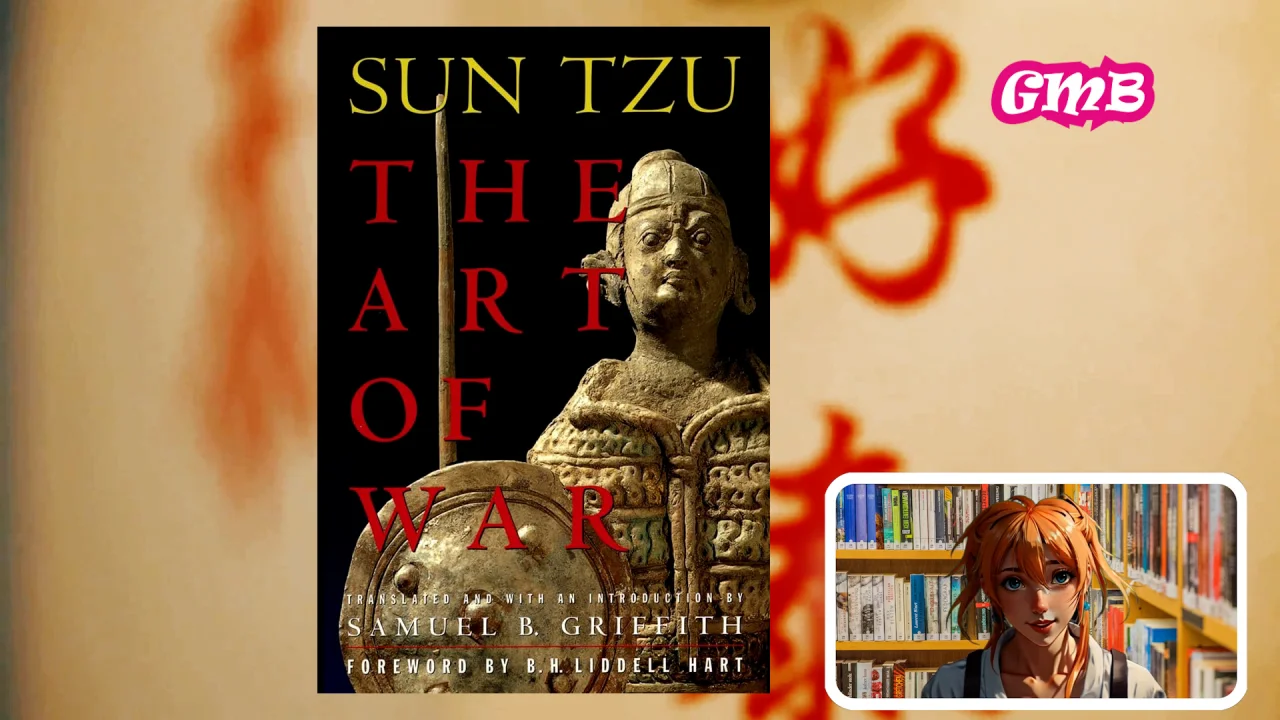
There’s a strange moment that hit me while reading this book.
I realized… this isn’t really about war.
It pretends to be. It talks about armies, spies, deception, battle formations. But underneath all that? It’s about something far more uncomfortable—how humans compete, manipulate, and outthink each other in everyday life.
And once you see it that way, you can’t unsee it.
What Kind of Book Is This?
This is a philosophical strategy classic about power, intelligence, and human conflict.
-
Tone: Calm, calculated, almost eerily detached
-
Pace: Fast to read, slow to absorb
-
Themes: Strategy, power, self-knowledge, deception, control, ethics
This book is for readers who:
-
Like ideas that apply beyond their original context
-
Enjoy short, thought-provoking insights rather than long narratives
This book is NOT for readers who:
-
Want a traditional story with characters and plot
-
Prefer straightforward, literal advice without interpretation
👉 The edition I read is available here:
You can check out The Art of War on Amazon
A Quick Summary (No Spoilers, Just the Setup)
Written over 2,500 years ago by Sun Tzu, The Art of War is a collection of short, sharp principles about warfare.
But here’s the twist:
It’s not about fighting battles—it’s about avoiding them.
Sun Tzu argues that the highest form of victory is winning without direct conflict. Through intelligence, timing, deception, and self-control, a skilled strategist can defeat an opponent before the fight even begins.
It’s less about swords… and more about psychology.
Why This Book Still Hits Hard Today
What stayed with me after finishing this book is how modern it feels.
You read lines like:
“Know the enemy and know yourself; in a hundred battles you will never be in peril.”
And suddenly, it’s no longer about war.
It’s about job interviews, office politics, relationships, and even social media.
This book forces you to confront a slightly uncomfortable truth:
Life is full of subtle battles.
Not violent ones—but battles of perception, timing, influence, and control.
What makes this book powerful is that it doesn’t glorify aggression. In fact, it quietly rejects it. Sun Tzu insists that:
-
The best victories are invisible
-
The smartest moves are often indirect
-
And the strongest person is the one who knows when not to act
There’s also something deeply reflective about it. You start asking yourself:
-
Do I really understand the people around me?
-
Do I understand myself?
-
How often do I act without a clear strategy?
It’s not just a book you read. It’s a book that reads you back.
A Glimpse of the “Story” (Without Spoilers)
There’s no traditional plot here.
Instead, imagine this:
A general stands before a battlefield—not rushing forward, but observing. Waiting. Calculating. Understanding both his army and his opponent so deeply that when action finally comes… it feels almost unnecessary.
The real conflict isn’t between armies.
It’s between clarity and confusion, patience and impulse, strategy and chaos.
What Worked — And What Didn’t
What Worked
-
Timeless wisdom: It’s shocking how relevant a 500 BCE text still feels
-
Concise writing: Every line feels like it matters
-
Depth: You can reread it multiple times and still find new meaning
-
Commentary in this edition: The translation by Samuel B. Griffith adds clarity and historical context
What Didn’t
-
Very abstract at times: Some lines are cryptic and require interpretation
-
No narrative flow: If you prefer stories, this might feel fragmented
-
Overused in pop culture: Some ideas may feel familiar because they’ve been quoted everywhere
Still, that doesn’t take away from its impact.
This isn’t a perfect book—but it’s a foundational one.
Who Should Read This Book?
You’ll enjoy this book if:
-
You like thinking about power, strategy, and human behavior
-
You enjoy books that feel like a conversation across centuries
-
You read not just to be entertained, but to reflect
You might struggle with it if:
-
You prefer fast-paced, plot-driven storytelling
-
You want clear, step-by-step instructions
-
You dislike ambiguity and interpretation
👉 If this sounds like your kind of book, you can explore it here:
Check out The Art of War on Amazon
Final Thoughts & Recommendation
I didn’t expect this book to feel so… personal.
At first, it reads like a manual for generals. But by the end, it feels like a quiet guide to navigating life itself—how to think, how to act, and more importantly, how to not act.
It’s not loud. It doesn’t try to impress you.
It just sits there, calmly, and says: “If you understood more, you’d struggle less.”
And maybe that’s why it has lasted over two millennia.
If you’re the kind of reader who enjoys pausing mid-page just to think, this book will stay with you long after you finish it.
👉 If you’d like to read the same edition I did, here’s the link:
Find The Art of War on Amazon