 English
 French
 German
 Russian
 中文
中文

The Story That Made Me Puke – A Caine Prize Winner???
There’s a moment in a story when you suddenly stop reading and stare at the page.
For me, it happened when a 13-year-old boy calmly described himself as a killer.
Not in anger.
Not in fear.
Just… recognition.
And somehow it gets worse from there.
This boy doesn’t just fight. He names his weapons Mormegil and Orcrist—two legendary swords from The Lord of the Rings. Except they’re not swords. They’re sticks.
And he doesn’t collect them for play.
He uses them to kill.
By the time I finished reading the story, I had one honest reaction: How did this win the Caine Prize?
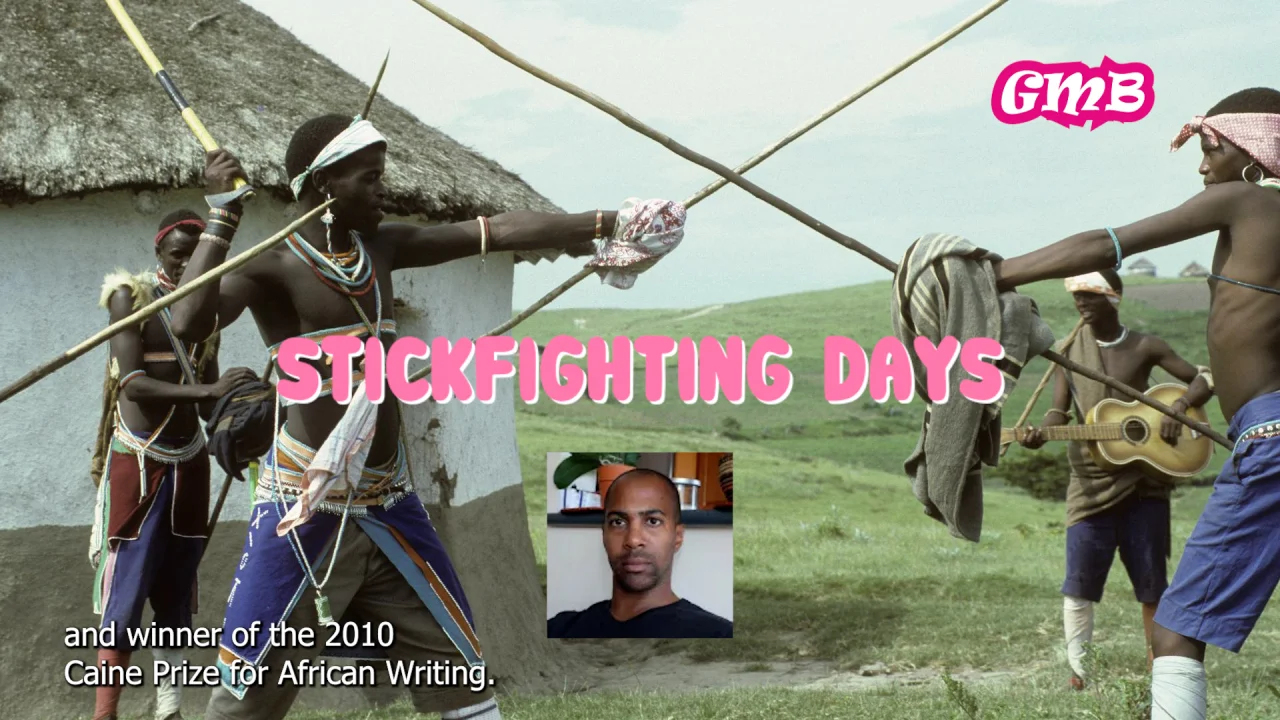
The story is Stickfighting Days by Olufemi Terry, winner of the Caine Prize for African Writing in 2010.
👉 The edition I read is available here:
https://amzn.to/3KTgQky
What Kind of Story Is This?
This is a dark literary short story about violence, survival, and moral collapse among street children.
Tone: brutal, disturbing, bleak
Pace: fast but heavy
Themes: violence, abandonment, childhood lost, survival
This story is for readers who:
-
Want literature that pushes emotional boundaries
-
Are interested in experimental or extreme storytelling
-
Like fiction that forces uncomfortable questions
This story is NOT for readers who:
-
Want hopeful or balanced portrayals of childhood
-
Prefer character warmth or redemption
-
Struggle with graphic or disturbing content
👉 You can read the story here:
https://amzn.to/3KTgQky
Why This Story Matters (The Emotional Core)
The real question raised by Stickfighting Days isn’t just about violence.
It’s about what kind of stories get rewarded.
The world inside this story is almost completely stripped of humanity. Children kill each other with sticks. They sniff glue. They scavenge through dumps filled with filth. There are no caring adults, no community, no moral structure.
Just survival.
And brutality.
At one point, the narrator describes killing another boy with chilling precision:
“The strike is precise enough to kill; I feel the rubbery give of his temple beneath the tip of my sticks.”
That line stayed with me—not because it was powerful, but because it felt calculated.
The violence feels less like tragedy and more like spectacle.
And that raises a bigger question: Is this realism… or shock value?
Street children exist. Violence exists. Poverty exists.
But reality is never one-dimensional. Even in the harshest environments, you find friendship, humor, loyalty, care.
Those things are almost completely absent here.
Which makes the world of the story feel less like life and more like a stage built for horror.
That’s the tension at the center of this piece.
Is the story exposing brutality?
Or performing it?
A Glimpse of the Story (No Spoilers)
The narrator is Raul, a 13-year-old street child living in an unnamed African city.
Raul is a master stick fighter. In the brutal street contests that define his world, boys fight with sticks until someone collapses—or dies.
His weapons are named after legendary swords.
His opponents are other children like him.
The adults around them don’t protect them. Some even watch and judge the fights.
When Raul steals bread from another boy named Tauzin, he learns the bread is poisoned.
What follows is not panic or regret.
It’s violence.
From there, the story unfolds as a portrait of a child who has become something terrifying: a boy who has completely accepted killing as part of life.
Who This Story Is Perfect For
You’ll find this story interesting if:
-
You like literature that challenges your moral comfort
-
You’re curious about modern African literary prize winners
-
You read fiction to interrogate ideas, not just enjoy stories
You might struggle with it if:
-
You prefer emotional depth over shock
-
You want stories with hope or redemption
-
You dislike fiction built heavily around violence
👉 If you want to read it and judge for yourself:
https://amzn.to/3KTgQky
My Honest Verdict
I’ll be blunt.
This story didn’t work for me.
Yes, it’s bold.
Yes, the writing is technically sharp.
But boldness alone doesn’t make a story meaningful.
The characters rarely feel like real people. They often feel like symbols of misery placed there to amplify horror.
And the world of the story feels strangely constructed. Raul is supposedly illiterate, yet he references The Lord of the Rings and dreams of being like Spartan warriors. Those details feel inserted for literary flair rather than organic storytelling.
What worked:
-
The writing is tight and controlled.
-
The atmosphere is intense and memorable.
What didn’t:
-
The story lacks emotional balance.
-
The violence overshadows everything else.
-
The characters feel more symbolic than human.
This isn’t a poorly written story.
But it’s a deeply unpleasant one—and not in a way that left me enlightened.
Final Thoughts
Reading Stickfighting Days left me with more questions than answers.
Not just about the story itself—but about the literary culture that celebrates it.
When the Caine Prize for African Writing awarded this story in 2010, the judges described it as “ambitious, brave, and hugely imaginative.”
Maybe that’s true.
But for me, the lasting impression wasn’t imagination.
It was emptiness.
A world where childhood has disappeared, where violence fills every space, and where the only thing that grows is despair.
Some readers will see brilliance in that bleakness.
Others—like me—will close the story wondering whether shock has replaced substance.
If you’re curious enough to see which side you fall on, you can read the same edition here: https://amzn.to/3KTgQky