 English
 French
 German
 Russian
 中文
中文

When the Dead Refuse to Stay Silent
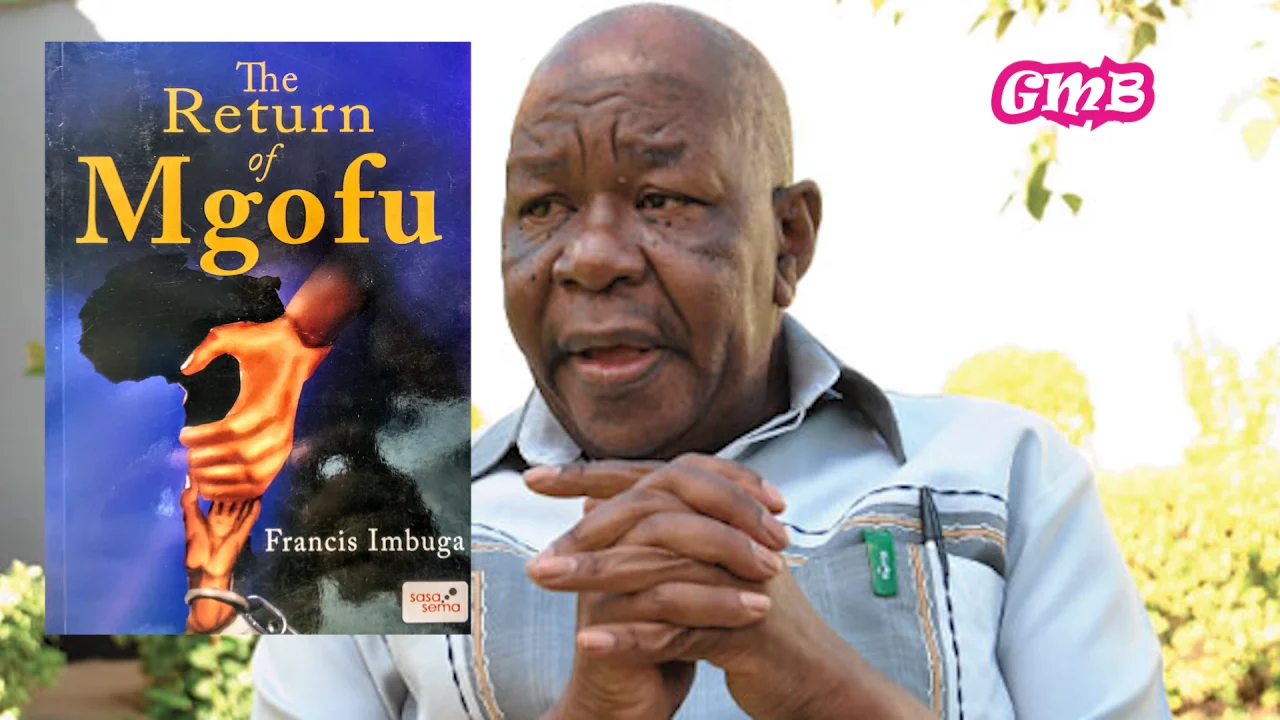
Have you ever watched neighbors go from borrowing sugar to burning each other’s houses down? Or imagined ancestors so exhausted by human foolishness that they crawl out of the afterlife just to scold the living?
That’s where The Return of Mgofu begins — not gently, not politely, but with a warning. This is a story where the dead speak, history refuses to stay buried, and a community learns, painfully, that violence has a habit of repeating itself when memory fades.
Francis Imbuga doesn’t ease us into this world. He drops us straight into chaos, memory, and ancestral judgment. And from the first scene, it’s clear: this is not just a play about the past. It’s about now.
👉 The edition I read is available here:
The Return of Mgofu by Francis Imbuga
What Kind of Play Is The Return of Mgofu?
This is a political, symbolic, and spiritual drama about memory, leadership, and communal healing.
Tone: Reflective, tragic, and quietly hopeful
Pace: Moderate, with moments of sharp intensity
Themes:
-
Cycles of violence
-
Leadership and responsibility
-
Ancestral memory
-
Reconciliation vs revenge
-
The danger of forgetting history
This play is for readers who:
-
Enjoy African literature that blends politics with spirituality
-
Appreciate symbolism and layered storytelling
-
Like plays that challenge, not comfort
This book is not for readers who:
-
Prefer fast-paced action with little reflection
-
Dislike allegory and symbolism
-
Want clear heroes and villains
A Glimpse of the Story (No Spoilers)
The play opens in an ordinary marketplace — until it isn’t.
An elderly man pushes a woman in a wheelchair through the crowd. Their names are Thori and Thoriwa. They are not simply old people. They are messengers from the ancestors, returned to remind the living how everything fell apart the first time.
They speak of “the first madness” — a time when neighbors turned on each other, homes burned, and hatred consumed the land. A revered leader, Mgofu Ngoda, died in that chaos. So did they.
But history, it seems, is restless.
Soon, word spreads that “the second madness” has begun. Fighting returns. Leaders whisper. Weapons are prepared. Even the media becomes a tool of hatred. And then — impossibly — Mgofu Ngoda returns, reincarnated through a child born inside a sacred shrine.
From that moment on, the play becomes a meditation on whether a people can learn from their past… or whether they are doomed to repeat it.
Why This Story Matters (The Emotional Core)
What stayed with me long after finishing this play wasn’t the reincarnation or the ancestral visitations — it was the recognition.
Imbuga’s “madness” isn’t fictional. It’s the familiar cycle of tribalism, political manipulation, revenge, and fear. The kind that destroys communities while convincing everyone involved that they’re acting in self-defense.
Mgofu’s return isn’t just a dramatic twist. It’s a metaphor. Wisdom doesn’t die — but it does get ignored. Leadership doesn’t disappear — it returns in new forms, carried by younger generations who must decide whether to listen or repeat old mistakes.
The symbolism is deliberate and powerful:
-
The shrine represents continuity and tradition
-
The two creatures tied by a rope, pulling in opposite directions, show the futility of division
-
The wheelchair, pushed endlessly in circles, warns that history becomes a burden when lessons are ignored
Perhaps most striking is Imbuga’s portrayal of leadership. Mwami Mhando is not a flawless hero. He doubts, consults, listens, and questions his own role. Leadership here isn’t about authority — it’s about healing.
That feels painfully relevant today.
👉 You can find the play here:
The Return of Mgofu – Francis Imbuga
Who This Play Is Perfect For
You’ll enjoy The Return of Mgofu if:
-
You like literature that reflects real political and social tensions
-
You enjoy plays that use symbolism to explore big ideas
-
You read fiction to think, not just to escape
You might struggle with this play if:
-
You want a straightforward plot with constant action
-
You dislike open-ended moral questions
-
You prefer stories with neat resolutions
👉 If this sounds like your kind of read, here’s the edition I recommend:
The Return of Mgofu
About the Author: Francis Imbuga
Francis Imbuga (1947–2012) was one of Kenya’s most important literary voices and a giant of East African theatre.
Known for his sharp satire and fearless political commentary, Imbuga used drama to interrogate power, corruption, leadership, and postcolonial identity. His works — including Betrayal in the City and Man of Kafira — are widely studied across Africa and beyond.
What made Imbuga special was his ability to blend humor with seriousness. He could make you laugh — and then, quietly, make you uncomfortable with how much you recognized yourself in his characters.
My Honest Verdict
This isn’t a perfect play — but it’s an honest one.
Some moments lean heavily into symbolism, and readers unfamiliar with allegorical drama may need time to adjust. But what Imbuga gains in depth far outweighs any initial difficulty.
The Return of Mgofu is thoughtful, relevant, and emotionally grounded. It doesn’t offer easy answers. Instead, it asks the harder question: what happens when a society refuses to remember?
And that question lingers.
Final Thoughts
The Return of Mgofu is not just about one community’s past. It’s about all of us — about the histories we avoid, the wounds we reopen, and the lessons we pretend we’ve learned.
By the time Thori and Thoriwa roll back onto the stage at the end, you realize the wheelchair was never about age or weakness. It was a warning. Forget your past, and you’ll keep pushing it forever.
This is a play that deserves to be read slowly, discussed deeply, and remembered carefully.
👉 If you’d like to read the same edition I did, you’ll find it here:
The Return of Mgofu by Francis Imbuga