 English
 French
 German
 Russian
 中文
中文

When the Stage Becomes a Battlefield: Betrayal in the City and the Theatre of Tyranny
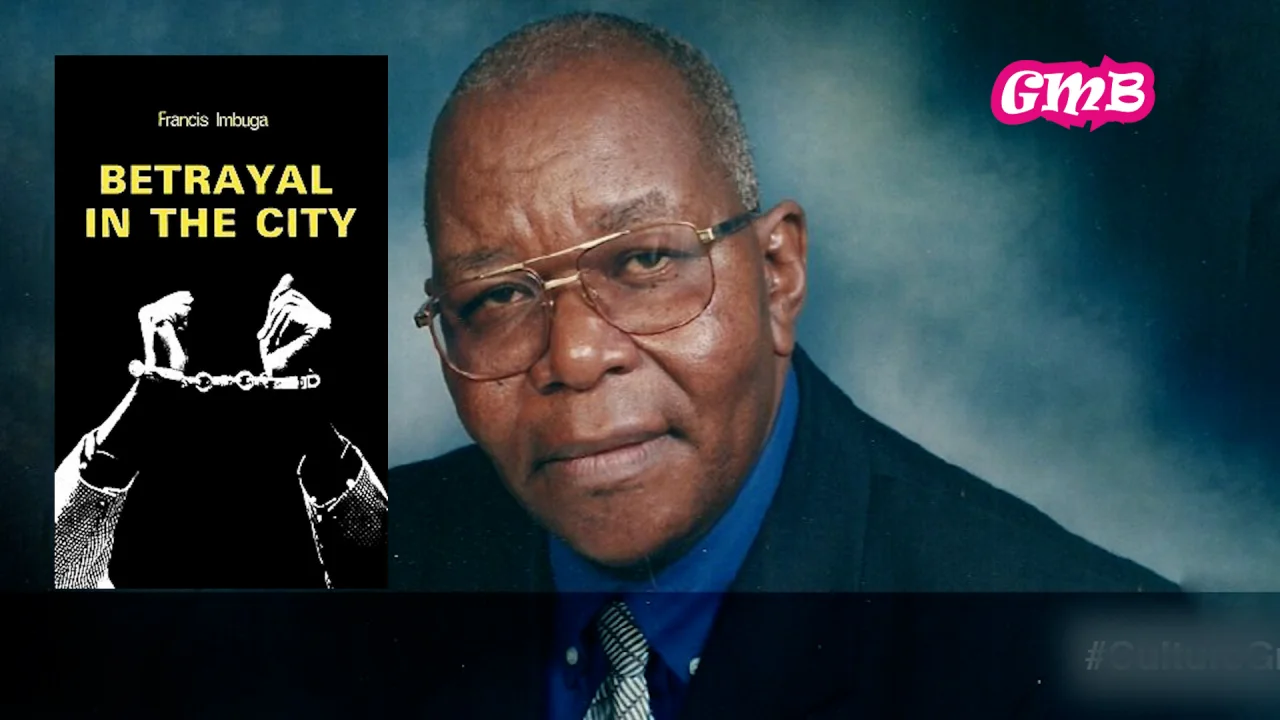
There’s a moment in Betrayal in the City that made me pause and stare at the page longer than usual. A dictator, obsessed with pulling out his own grey hairs, rambles on about power while the country quietly rots around him. It’s absurd. It’s funny. And then it hits you — this is exactly how tyranny survives: distracted, grotesque, and convinced of its own immortality.
Francis Imbuga doesn’t write polite political drama. He writes rage wrapped in satire. And what makes this play unsettling is not just what happens on stage, but how familiar it all feels. Student protests crushed. Critics silenced. Corruption dressed up as patriotism. A government so busy looting that it forgets the people are watching.
By the time I finished the play, one question wouldn’t leave me alone:
What happens when protest fails, truth is dangerous, and even mourning becomes illegal?
What Kind of Play Is This?
Betrayal in the City is a political satire / tragedy about power, corruption, resistance, and betrayal in post-independence Africa.
Tone: Darkly humorous, bitter, unsettling
Pace: Moderate, but tense
Mood: Oppressive, ironic, explosive
Major themes:
-
Dictatorship and abuse of power
-
Student resistance and state violence
-
Betrayal, fear, and complicity
-
Art as political weapon
This play is for readers who:
-
Enjoy politically charged African literature
-
Like satire that cuts deep rather than entertains lightly
-
Are interested in postcolonial power structures
This play is not for readers who:
-
Want escapist or comforting drama
-
Prefer clear heroes and villains
-
Dislike bleak or unresolved endings
👉 The edition I read of Betrayal in the City by Francis Imbuga is available on Amazon here:
Betrayal in the City – Francis Imbuga (Amazon link) OR https://godsmercybookshop.com/betrayal-in-the-city-48 (GMBookshop)
Why This Story Matters
At its core, Betrayal in the City is not really about coups or dictators. It’s about disillusionment — the moment when independence stops meaning freedom.
Imbuga exposes how postcolonial governments often inherit not just power, but the violence and arrogance of their former colonial masters. Boss, the ruler of Kafira, is not intelligent or strategic. He is petty, paranoid, and cruel. And that’s the point. Tyranny doesn’t need brilliance — it survives on fear, opportunism, and betrayal.
What stayed with me long after reading is how everyone is compromised. Mulili betrays everyone for land and favour. Tumbo hides behind cowardice. Even well-meaning characters are forced into silence or collaboration. Resistance exists, but it is costly — sometimes fatal.
Most haunting of all is Imbuga’s suggestion that when words, protests, and institutions fail, art itself becomes dangerous. Theatre becomes a disguise. Performance becomes rebellion. And the stage becomes a battlefield.
A Glimpse of the Story (No Spoilers)
The play opens at a grave — already a sign that something is deeply wrong.
A university student has been killed during a protest. His family is forbidden from mourning him publicly. Political prisoners rot in jail. Meanwhile, the government prepares a lavish performance to impress a visiting foreign dignitary.
To complete the illusion of peace and stability, prisoners are ordered to perform a play.
What unfolds is a story about control versus conscience, and how easily power underestimates the people it crushes.
Who This Book Is Perfect For
You’ll enjoy Betrayal in the City if:
-
You like literature that confronts power directly
-
You enjoy satire with teeth
-
You read fiction to understand society, not escape it
You might struggle with this play if:
-
You prefer fast, action-driven plots
-
You need emotional comfort or closure
-
You dislike political symbolism
👉 If this sounds like your kind of book, you can find Betrayal in the City on Amazon here:
Check current editions of Betrayal in the City on Amazon
OR https://godsmercybookshop.com/betrayal-in-the-city-48
My Honest Verdict
This isn’t a comfortable play — and it isn’t meant to be.
What works brilliantly is Imbuga’s use of irony and symbolism. The humour makes the brutality sharper, not softer. The final act is one of the most powerful uses of meta-theatre in African drama.
What may not work for some readers is the bleakness. There is no easy redemption here. Justice arrives, but scarred and incomplete.
Still, I recommend this play without hesitation — especially for students, teachers, and readers interested in African political thought.
About the Author
Francis Imbuga (1947–2012) was one of Kenya’s most influential playwrights and literary critics. A professor of literature, he dedicated his work to interrogating postcolonial leadership, justice, and resistance.
His plays — including Betrayal in the City, Man of Kafira, and Aminata — remain staples in African literature curricula because they refuse to flatter power or comfort the reader.
Imbuga wrote not to entertain regimes, but to expose them.
Final Thoughts
Betrayal in the City reminds us that independence without accountability is just a costume change. The flags are new. The anthems are loud. But the violence remains.
Imbuga’s greatest achievement is showing that when governments fear stories, art becomes revolutionary. And when mourning is banned, memory itself becomes resistance.
If you’ve ever wondered whether literature can still challenge power, this play answers quietly — and then dares the regime to stop it.
👉 If you’d like to read the same edition I did, you’ll find it here on Amazon:
Betrayal in the City – Francis Imbuga OR https://godsmercybookshop.com/betrayal-in-the-city-48