 English
 French
 German
 Russian
 中文
中文

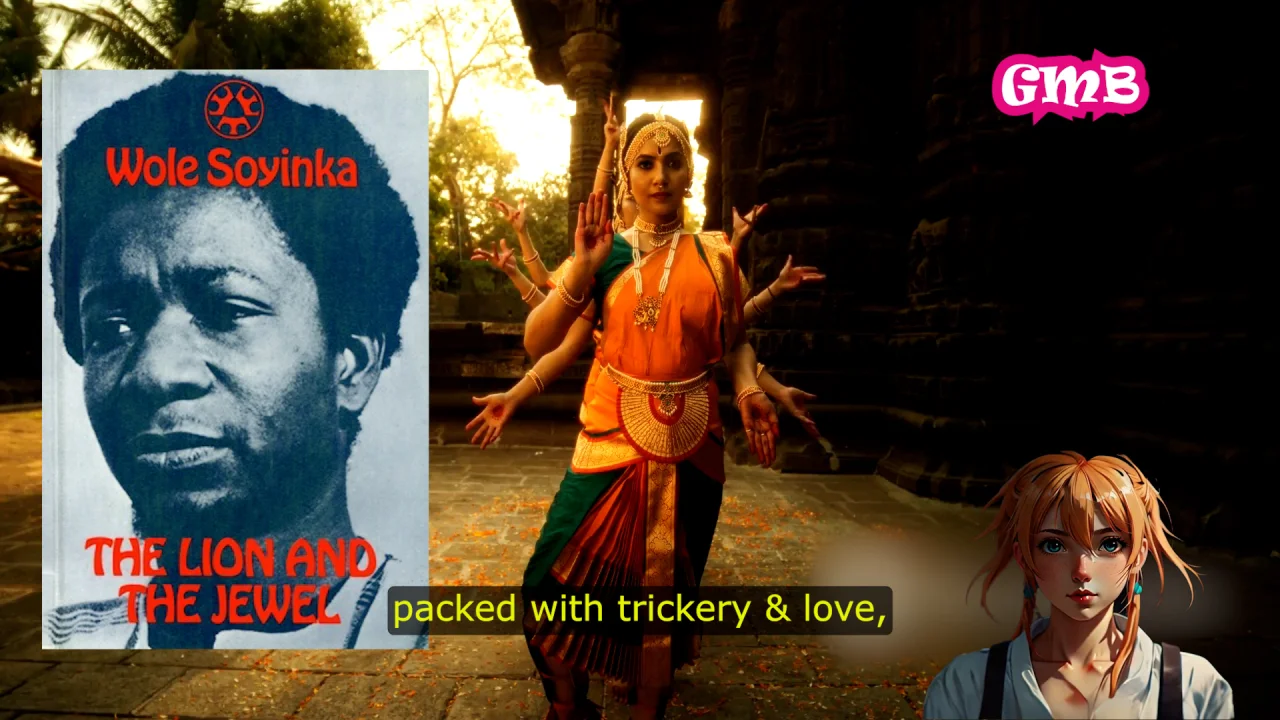
The Lion and the Jewel – A Hilarious Battle for Love, Pride, and Tradition
A Village Drama That Will Make You Laugh Out Loud
Picture this: a vibrant Nigerian village, a cocky young teacher, a cunning old chief, a dazzlingly beautiful girl, and a head wife whose scheming knows no bounds. Sounds like the setup for chaos? That’s exactly what Wole Soyinka’s The Lion and the Jewel delivers—a comedy packed with clever tricks, love triangles, and a subtle critique of tradition versus modernity.
The first time I read it, I was hooked instantly. The humor is playful, the characters are unforgettable, and the tension between old customs and modern ideals keeps you laughing while thinking. By the end, you can’t help but wonder: who really has the upper hand in life—the charming, patient strategist or the eager, idealistic dreamer?
👉 You can grab your copy of The Lion and the Jewel here:
What Kind of Play Is This?
This is a comic yet thought-provoking play about love, power, and the clash between tradition and progress.
-
Tone: Light, playful, and humorous
-
Pace: Moderate—dialogue-driven with clever twists
-
Themes: Tradition vs. modernity, cunning, naivety, love, human nature
This play is for readers who:
-
Enjoy witty, dialogue-driven humor
-
Like exploring African literature and cultural insights
-
Appreciate stories where cunning wins over arrogance
This play is NOT for readers who:
-
Prefer fast-paced, action-heavy stories
-
Want clear-cut heroes and villains
-
Dislike humor mixed with social commentary
👉 Check out the edition I read here: Amazon
The Story: A Love Triangle Like No Other
The action takes place in Ilunjinle, a village where modern ideas and traditional customs collide. At the center of it all is Sidi, the jewel of the village. Her beauty is so legendary that a traveling photographer snaps her picture, publishing it in a magazine—cue her skyrocketing ego.
Enter her two admirers:
-
Lakunle, the young, pompous schoolteacher, obsessed with bringing “civilization” to the village. He despises the dowry tradition, yet his endless rants and attempts to impress Sidi fall flat. His verbose complaints are hilarious:
“A savage custom, barbaric, outdated, rejected, denounced, accursed, excommunicated, archaic, degrading, humiliating, unspeakable, redundant, retrogressive, remarkable, unpalatable… An ignoble custom, infamous, ignominious…”
-
Baroka, the old, cunning chief—also known as the Lion of Ilunjinle. Unlike Lakunle, Baroka knows exactly how to play the game of love and power, using strategy over words. His secret weapon? Sadiku, his head wife, tasked with convincing Sidi to marry him.
What follows is a hilarious and clever series of interactions where Sidi mocks Baroka’s age and vitality, only to fall into his trap—a plan executed with patience, charm, and a little bit of mischief. By the end, Sidi chooses Baroka, leaving Lakunle—and the audience—both frustrated and amused.
Why This Play Matters
At its core, The Lion and the Jewel is more than a comedy. It’s a reflection on human nature, cultural identity, and power dynamics.
-
Lakunle represents those chasing modern ideals blindly, failing to act wisely despite their knowledge.
-
Baroka embodies patience, strategy, and the deep understanding of human desires.
-
Sidi illustrates the allure of beauty and fame, and how easily it can sway judgment.
Reading this play made me laugh out loud, but also pause and think about how tradition and modernity often collide in real life—sometimes hilariously, sometimes tragically. It’s a story that refuses simple answers, instead letting characters act according to their nature, with all the chaos that brings.
A Glimpse Without Spoilers
The setup is simple but compelling: two suitors, one village, and a beautiful girl caught in the middle. Conflict arises not from violence but from wit, words, and cunning strategies. Every scene is a battle—of pride, intellect, and desire—and Soyinka’s sharp dialogue ensures every interaction is memorable.
Who Will Love This Play?
You’ll enjoy The Lion and the Jewel if you:
-
Love books that make you think while making you laugh
-
Enjoy witty, character-driven dialogue
-
Want a taste of African literature with universal themes
You might struggle with this play if you:
-
Prefer fast-paced plots with clear resolutions
-
Need easily defined heroes and villains
-
Dislike open-ended conclusions or satire
👉 Grab your copy here: Amazon
My Honest Verdict
This isn’t just a funny play—it’s brilliantly written. Lakunle’s contradictions, Baroka’s cunning, and Sidi’s vanity make for a comedic yet insightful exploration of human behavior. Soyinka’s poetic language elevates what could have been a simple village story into a timeless piece of literature.
If you’ve never read an African play before, this is the perfect introduction. It’s short, entertaining, and full of lessons that remain relevant today.
Final Thoughts
The Lion and the Jewel is a delightful, witty exploration of love, tradition, and strategy. It’s a play that makes you laugh, think, and question human nature—all at the same time.
From the moment Sidi enters the stage to the final cunning move by Baroka, Soyinka reminds us why he’s a literary giant. Whether you’re new to African literature or a seasoned reader, this play is an absolute must-read.
👉 You can get the edition I read here: Amazon