 English
 French
 German
 Russian
 中文
中文

Unjumping by Beverley Nambozo Nsengiyunva: Poetry That Hits Hard in 36 Pages
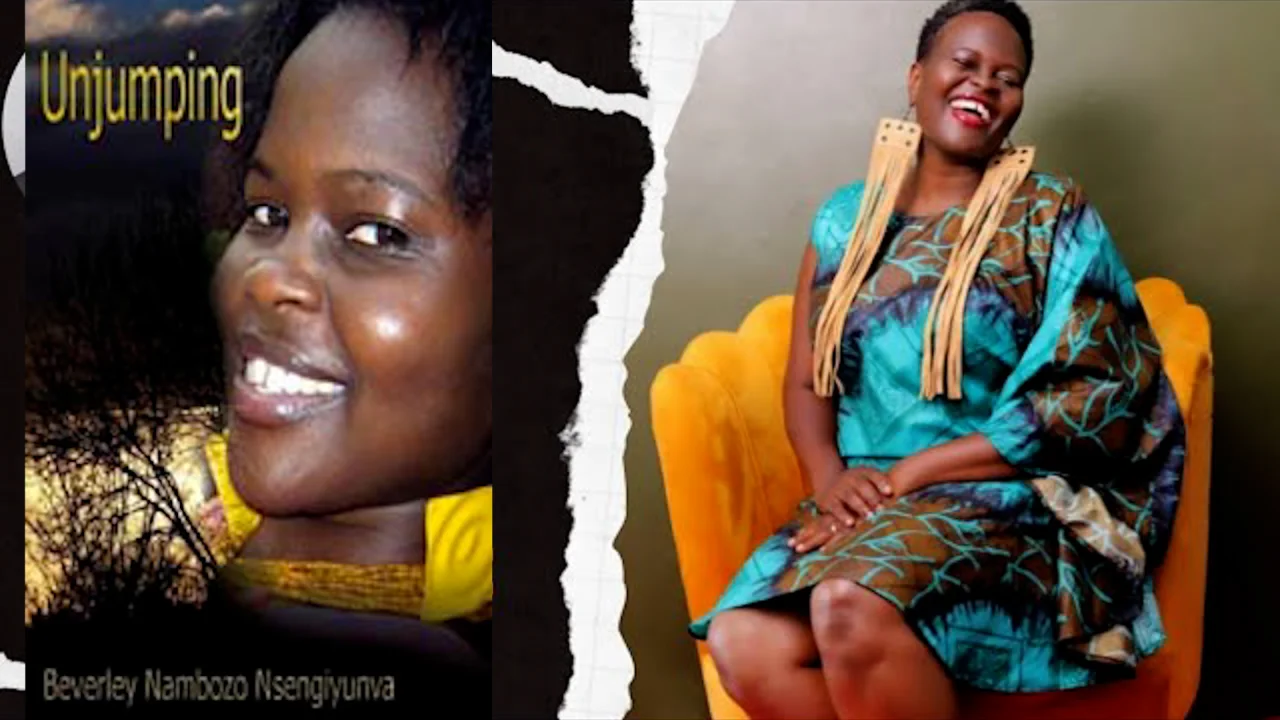
Press “Undo” on Life? This Book Makes You Wish You Could
Have you ever wished life came with a CTRL + Z? Maybe to delete that embarrassing text you sent at 2 a.m., or to rewind a decision you instantly regretted—like saying “yes” to karaoke when you know you can’t carry a tune? Beverley Nambozo Nsengiyunva’s Unjumping (erbacce-press, 2010) captures exactly that impossible longing—the desire to reset, start over, and navigate life’s messiness with a fresh perspective.
But here’s the twist: this isn’t a self-help book or a long-winded manifesto. It’s a tiny, explosive collection of poems—just 36 pages—that manages to pack love, politics, motherhood, workplace harassment, and post-colonial reflection into each short, punchy piece. Each poem lands like a miniature lightning strike, surprising, sharp, and unforgettable.
Today, we’re diving into this collection and exploring why Beverley’s words linger long after the page is turned.
👉 You can check out Unjumping on Amazon here.
A Taste of the Poems: From Regret to Humor
The Title Poem: Regret and the Impossible Wish
The collection opens with the poem Unjumping, a meditation on regret and “if only” moments. It’s about those times we wish life came with a reset button, a chance to rewind time and do things differently. This poem sets the tone for the rest of the collection: life is messy, irreversible, and yet irresistibly human.
Undo Me: Love in 28 Words
Then comes Undo Me, a six-line, twenty-eight-word poem that encapsulates the full spectrum of love—heartbreak, reconciliation, and yearning. Beverley shows her mastery in compressing oceans of emotion into just a thimble of words. It’s intimate, poignant, and painfully relatable.
Please Boss: Humor in a Tense Workplace
Beverley doesn’t shy away from heavier topics either. Please Boss tackles workplace sexual harassment with ironic, sharp humor:
“Please if we must
Then not on the desk
You’re the boss
You deserve the plush Persian carpet.
The desk has too much of me
Cluttered clips,
Torn trash
Memorised minutes
If we must
Then not on the desk.”
The tension and discomfort in this poem are palpable, but the humor makes it bite and linger. It’s clever, uncomfortable, and brilliant all at once.
Suicide Bomber: Love Amid Tragedy
The longest poem in the collection, Suicide Bomber, is haunting. Recasting the idea of a suicide bomber as a love poem—possibly reflecting on the London bombings of July 7, 2005—Beverley forces readers to wrestle with morality, tragedy, and human contradiction. The poem questions right and wrong, pushing beyond simple judgments to deeper reflection.
Mamba Crocodile Farm: Politics as Fable
Beverley turns political critique into fable with Mamba Crocodile Farm. Set in Mombasa, the poem critiques corruption and nepotism, with a leader hoarding resources while crocodiles circle, waiting for scraps. It’s biting, humorous, and painfully familiar in its commentary on power dynamics in Africa.
The Virgin Mary: Innocence and Accusation
In The Virgin Mary, a man refuses to take responsibility for a child he fathered, accusing the woman of cheating. The opening lines:
“I can be The Virgin Mary
As long as the child is yours.”
Two lines pack so much: irony, defiance, heartbreak, and the raw sting of injustice.
Eh! Eh!: Writing in Her Own Tongue
Beverley also writes in her native language in Eh! Eh!, a reminder that African poetry’s heartbeat isn’t confined to English. It’s a celebration of linguistic diversity and cultural identity, showing her versatility as a poet.
Love, Marriage, and Coffee
Dancing radiates tenderness, celebrating love and marriage, while Coffee cleverly uses the brewing process as a metaphor for sex. Both poems are playful, sensual, and deeply human.
Al Qaeda: Everyday Uganda
In Al Qaeda, Beverley captures modern life in Kampala:
“I am an Al Qaeda.
Metal scanners are my foes; my friends.”
A simple line that brilliantly critiques paranoia and the absurdity of being treated as a threat in everyday life.
Why Unjumping Matters
This collection isn’t just poetry—it’s a lens on life: regret, love, humor, heartbreak, politics, and post-colonial identity. Beverley Nambozo Nsengiyunva earned her spot in the top three of the 2010 erbacce-prize for poetry, and the judges’ praise for her originality, innovation, and freshness is entirely deserved. Each poem is deceptively simple, yet it hits like a hammer, leaving echoes in your mind long after reading.
About the Author
Beverley Nambozo Nsengiyunva is a Ugandan poet with a bold, refreshing voice. She tackles topics many shy away from—abuse of power, sexual harassment, political corruption—while also celebrating tender human moments. Her ability to condense powerful ideas into small, potent poems is what makes her work so distinctive.
Who Should Read This Book
Unjumping is perfect for readers who:
-
Enjoy poetry that is short, sharp, and emotionally powerful
-
Appreciate humor blended with social critique
-
Want accessible, modern African poetry that lingers
You might struggle with it if:
-
You prefer long narratives or detailed storytelling
-
You need poems to spell everything out explicitly
If you’ve ever been intimidated by poetry, this collection is a brilliant starting point. You can read it in one sitting, yet it’ll stay with you for days—or weeks.
👉 Grab your copy of Unjumping here.
Final Thoughts
Unjumping proves that brevity can be breathtaking. Each poem is a concentrated burst of emotion, humor, or social commentary, leaving you thinking long after the last page. Beverley Nambozo Nsengiyunva has created a small but mighty collection, one that reminds us how poetry can make us laugh, squirm, and reflect—all at once.
If you’re ready to feel, think, and maybe wish for that “undo” button just a little less, Unjumping is a must-read.