 English
 French
 German
 Russian
 中文
中文

When Motherhood Is Supposed to Be Everything — And Still Isn’t
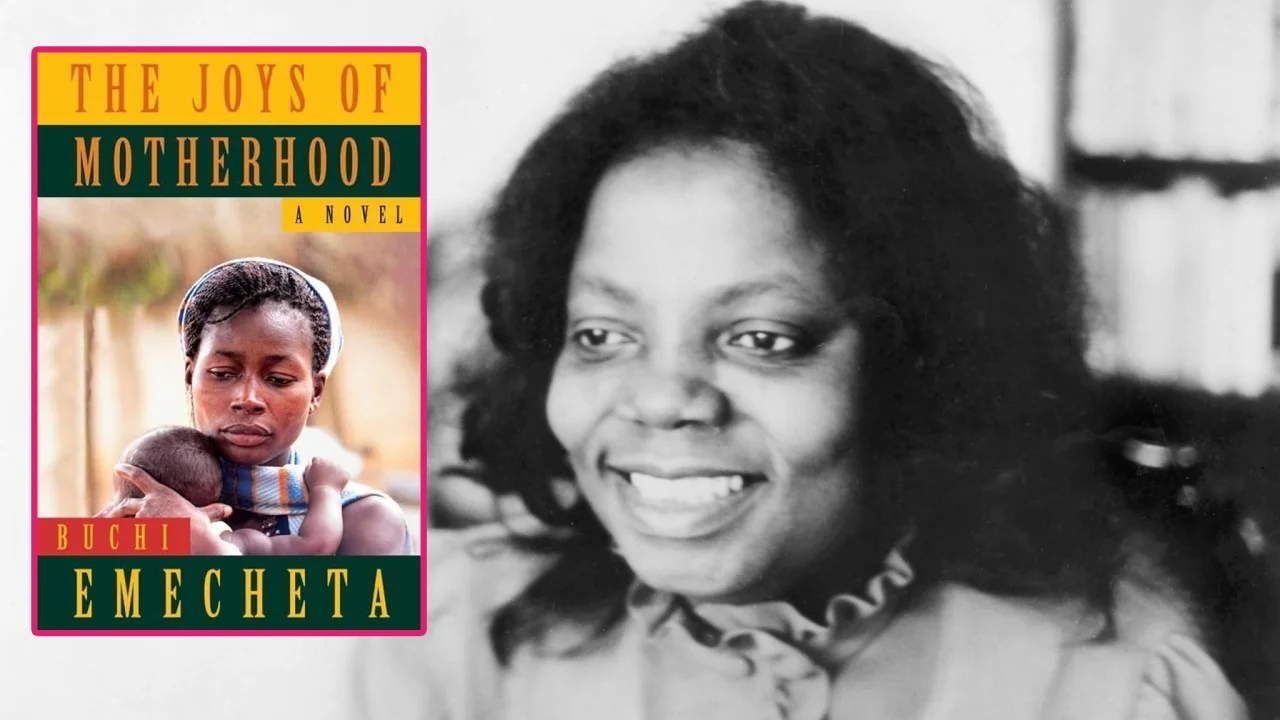
There’s a moment in The Joys of Motherhood that made me stop and stare at the page for a while. Not because something shocking happened, but because something painfully familiar did. A woman gives everything she has—her body, her youth, her happiness—to her children… and still ends up alone.
That woman is Nnu Ego.
Imagine Lagos in the 1930s. Dusty streets, noisy markets, colonial officers strutting about, and women carrying the weight of entire families on their backs—sometimes literally. This is where Buchi Emecheta introduces us to Nnu Ego, a woman whose life feels like a slow-burning tragedy disguised as a success story.
If Nigerian Twitter had existed back then, Nnu Ego would have been trending weekly.
What Kind of Novel Is The Joys of Motherhood?
This is a historical literary novel about motherhood, sacrifice, and the quiet cruelty of tradition.
Tone: Reflective, tragic, unsentimental
Pace: Moderate, unfolding over decades
Core themes:
-
Motherhood as identity
-
Tradition vs modernity
-
Colonial disruption
-
Gender expectations
-
Emotional abandonment
This book is for readers who:
-
Love character-driven African classics
-
Enjoy novels that question cultural “truths”
-
Read fiction to think, not just escape
This book is not for readers who:
-
Want fast-paced plots
-
Prefer happy endings
-
Need clear heroes and villains
👉 The edition I read is available here:
The Joys of Motherhood by Buchi Emecheta (Amazon)
From Barrenness to “Success” — At a Cost
Nnu Ego’s story begins with failure. In her world, a woman’s worth is measured by one thing: children. Preferably sons. When she fails to conceive in her first marriage, she’s discarded without ceremony.
Her second marriage to Nnaife feels like a second chance—until you realize Nnaife himself is barely holding things together. He’s awkward, unreliable, and swept up in the chaos of colonial Lagos. Still, Nnu Ego clings to the promise of motherhood like a life raft.
And eventually, it happens.
She has children. Many of them.
By traditional standards, she wins.
Why This Story Hurts (and Still Matters)
Here’s the cruel twist: the very world Nnu Ego sacrifices herself for no longer exists.
Colonialism creeps in quietly—through schools, wage labor, city life, and Western ideas. Children stop being economic assets and start becoming individuals with their own ambitions. They move away. They choose careers. They choose themselves.
Nnu Ego pours everything into her children, especially her sons. No friends. No rest. No personal dreams. Just sacrifice stacked on sacrifice.
And when she finally needs them?
Silence.
This is what The Joys of Motherhood is really saying:
A life built entirely around duty can still collapse when the world changes.
That question lingers long after the final page:
What happens when everything you were taught to value stops valuing you back?
A Glimpse of the Story (No Spoilers)
At its heart, this novel follows:
-
A woman trying to secure her future through motherhood
-
A society shifting under colonial pressure
-
A family slowly drifting apart as generations clash
There are no dramatic twists. No grand villains. Just time, change, and quiet disappointment doing their work.
Women Who Adapt — and Women Who Don’t
One of the book’s most powerful contrasts is between Nnu Ego and Adaku, Nnaife’s younger wife. While Nnu Ego clings to tradition, Adaku looks around, reads the room, and chooses survival over approval.
She refuses to be defined solely by childbirth.
She adapts.
She thrives.
Then there’s Kehinde, Nnu Ego’s daughter, who outright rejects an arranged marriage. This younger generation isn’t broken—they’re just different. And Emecheta doesn’t present that difference as purely good or bad. It’s complicated. Painful. Human.
👉 You can find this edition of the novel here:
The Joys of Motherhood – Paperback Edition (Amazon)
Buchi Emecheta’s Quiet Power
First published in 1979, The Joys of Motherhood remains painfully relevant. Buchi Emecheta writes without sentimentality. She doesn’t beg for sympathy. She simply shows you the cost of unquestioned tradition—and lets you sit with it.
This is why the novel earned its place among Africa’s Top 100 Books of the 20th Century. Not because it flatters culture, but because it interrogates it with honesty.
Emecheta understood something essential:
Progress always leaves someone behind.
Who This Book Is Perfect For
You’ll enjoy this novel if:
-
You like books that linger emotionally
-
You enjoy African literature with social depth
-
You’re curious about women’s lives under colonial rule
You might struggle with this book if:
-
You prefer plot-heavy stories
-
You need closure and resolution
-
You dislike uncomfortable truths
👉 If this sounds like your kind of read, here’s the link:
The Joys of Motherhood by Buchi Emecheta (Amazon)
My Honest Verdict
This isn’t an easy novel. It doesn’t comfort you. It doesn’t reassure you that sacrifice is always rewarded.
What worked:
-
Deeply human characters
-
Honest portrayal of motherhood
-
Powerful social commentary
What didn’t (for some readers):
-
Emotional heaviness
-
Lack of conventional payoff
Still, I recommend it—because honesty like this is rare.
Final Thoughts
Nnu Ego did everything right—and still lost.
That’s why The Joys of Motherhood endures. It forces us to ask uncomfortable questions about success, family, and what we owe each other across generations.
If you’ve ever wondered whether tradition alone is enough to sustain a life, this book will stay with you long after you close it.
👉 If you’d like to read the same edition I did, you can find it here:
The Joys of Motherhood by Buchi Emecheta (Amazon)
Optional Add-Ons
Similar books you might like:
-
So Long a Letter — Mariama Bâ
-
Purple Hibiscus — Chimamanda Ngozi Adichie
Best format:
Paperback — this is a novel you’ll want to pause, underline, and reflect on.