 English
 French
 German
 Russian
 中文
中文
Almost Cured of Sadness: A Raw, Unflinching Look at Trauma and Healing
You know that one person who seems to treat even the smallest piece of advice as a personal attack? Someone who reacts to help with anger, even if it’s meant to protect them? That’s Lisa. And in Almost Cured of Sadness, she’s the chaotic, messy, and fiercely human center of a story that’s as uncomfortable as it is unforgettable.
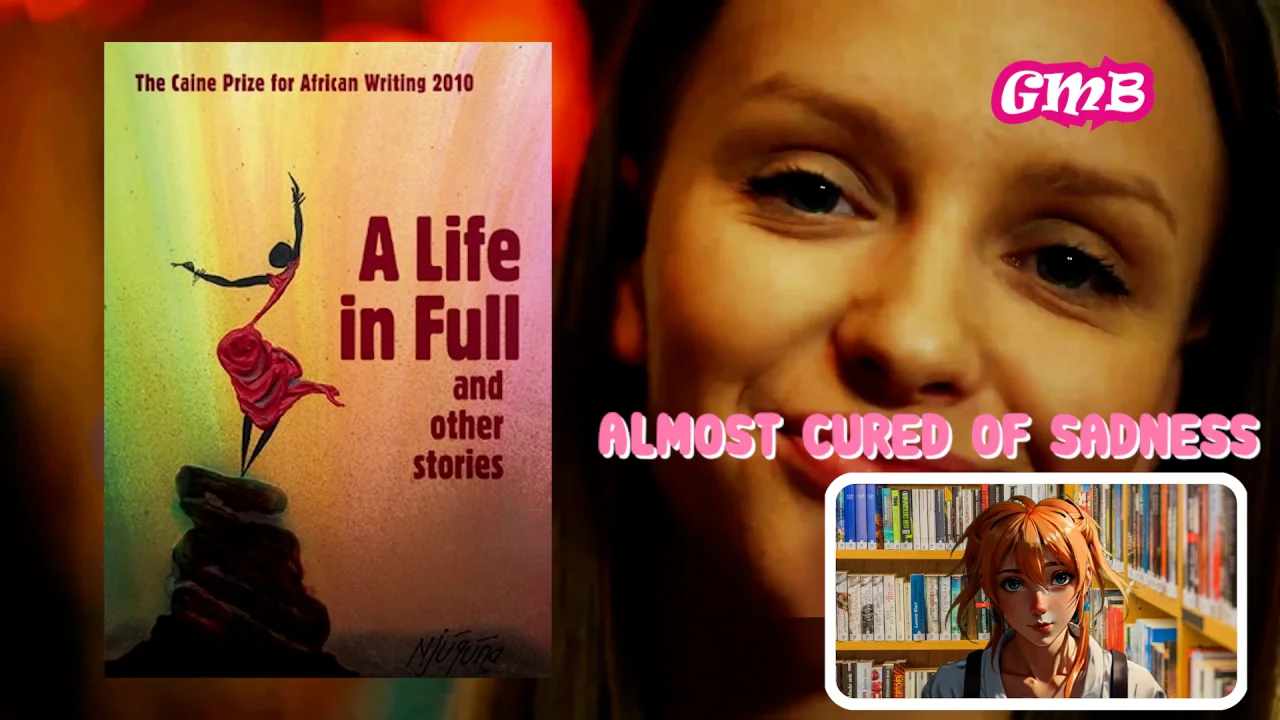
This short story, featured in the Caine Prize for African Writing 2010 anthology, A Life in Full and Other Stories, isn’t about tidy plots or neat endings. It’s about trauma, blame, survival, and the strange ways we try to reclaim our lives. It’s funny, tragic, and disturbing all at once—just like Lisa herself.
What Kind of Story Is This?
Almost Cured of Sadness is a gritty, reflective short story set against the backdrop of the South African art scene. The tone is dark and honest, the pace moderate, and the themes dive deep into trauma, blame, identity, race, and the messy work of self-reclamation.
This story is perfect for readers who:
-
Enjoy raw, unflinching explorations of human emotion
-
Appreciate complex characters who defy likability
-
Are interested in modern South African urban culture
This story is NOT for readers who:
-
Prefer feel-good, happy-ending narratives
-
Like clear heroes and villains
-
Avoid confronting uncomfortable truths
👉 You can find the story in this Caine Prize anthology on Amazon.
A Glimpse Into Lisa’s World
Lisa is complicated. By fourteen, she’s lost her virginity; by eighteen, she’s had an abortion. Somewhere between adolescence and adulthood, she suffers a traumatic sexual assault. You might expect grace or healing to follow—but Lisa has her own way of coping: she blames her mother.
Packing her grief, anger, and unresolved trauma, Lisa moves out, enrolls in design school, and channels her pain into something uniquely dark. Take her lingerie assignment, for instance:
“For lingerie assignment, Lisa designed padlocked panties and bras which would be made of a type of material which flattened the chest and hips to hide all feminine features... She had all the models wear masks from horror movies with all the outfits sewn up with a technique that made them look torn and the material was dyed to look bloody.”
It’s horrifying. It’s brilliant. It’s Lisa. She fails her design courses but passes the sewing ones—so if you ever need someone to craft horror-inspired fashion, Lisa’s your girl.
Her life takes another turn when she meets Hennie, a quiet, moody white painter. Their relationship is fraught with cultural tension, subtle racism, and personal baggage, but it’s also real. Lisa works tirelessly to keep their life together while Hennie chases inspiration. It’s messy, imperfect, and deeply human.
Why This Story Matters
What struck me most about this story is its refusal to sanitize trauma. Lisa is not meant to be likable—she’s raw, angry, and flawed. But she’s also a survivor. Every decision, every failed attempt at connection, every bloody fashion project is a testament to her resilience.
The relationship with Hennie is both tender and frustrating. They connect on a deep level but are constantly reminded of the gaps between them—racial, cultural, and emotional. Lisa’s journey is about control: controlling what she can, letting go of what she can’t, and choosing the chaos she wants to live in rather than the one imposed on her.
There’s no magical healing here. No grand epiphany. Just Lisa, trying, failing, loving, and—almost—finding a way forward. That “almost” is where the story thrives, capturing the liminal space between brokenness and wholeness.
About the Author
The mind behind this story is a South African writer and artist based in Johannesburg, deeply rooted in the observation of urban life and culture. Their fiction captures the raw, often chaotic essence of contemporary South African life. They are currently working on a collection of short stories centered on urban themes and are seeking publishers willing to embrace bold, unfiltered literary voices.
My Thoughts & Honest Review
Strengths:
-
The story is unflinching, authentic, and emotionally resonant.
-
Lisa’s character is vivid, complex, and unforgettable.
-
Themes of trauma, race, and love are explored with nuance and honesty.
Weaknesses:
-
Some readers may find Lisa too chaotic or her actions difficult to relate to.
-
The narrative doesn’t offer closure or traditional redemption, which can frustrate those expecting neat resolutions.
Despite this, the story is brilliant because it allows Lisa to exist fully in her imperfection. It’s a raw, human experience, and it lingers long after the last page.
Who Should Read This Book
You’ll love Almost Cured of Sadness if you:
-
Want stories that challenge you emotionally
-
Enjoy explorations of trauma and resilience
-
Are drawn to contemporary South African fiction
You might struggle with it if you:
-
Prefer tidy, feel-good plots
-
Avoid stories that confront uncomfortable realities
👉 Check out the Caine Prize anthology here to read Lisa’s story.
Final Thoughts
Almost Cured of Sadness isn’t a story that makes you comfortable—it’s a story that makes you think. It’s messy, dark, and strangely hopeful. Lisa is not fixed, but she’s trying. And sometimes, watching someone try is enough.
If you’re ready to step into the raw, chaotic world of South African art, trauma, and human resilience, this story—and this anthology—is worth your time. Lisa may not be healed, but her journey is unforgettable, and her courage to face life’s mess head-on is nothing short of inspiring.
👉 You can grab the Caine Prize anthology on Amazon to experience Lisa’s story yourself.