 English
 French
 German
 Russian
 中文
中文

When Love Turns Obsession: The Tragedy Behind The Great Gatsby
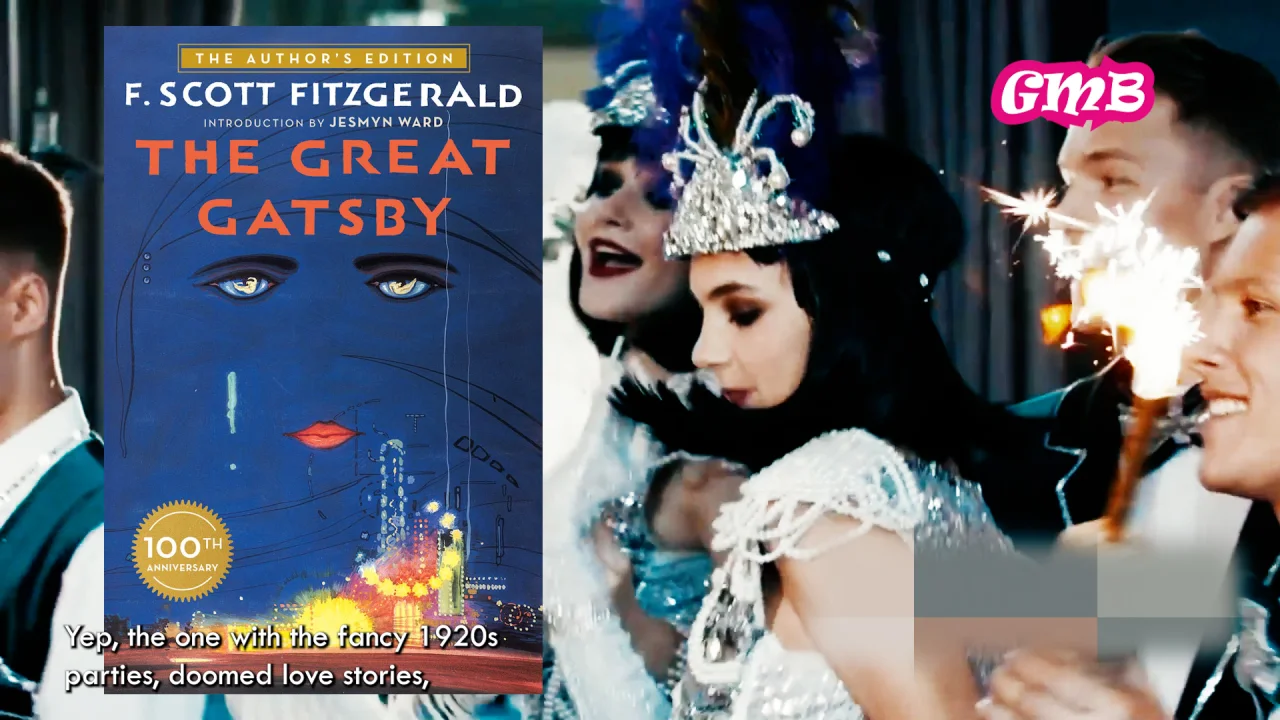
There’s a moment in this story that made me pause—not because it was shocking, but because it felt… painfully familiar.
A man builds an entire life around a single person. Every decision, every dollar, every grand gesture is just a long, desperate attempt to rewind time. And the unsettling part? For a second, I understood him.
Not the scale of it, of course—most of us aren’t out here throwing mansion-sized parties—but the feeling of holding onto something that no longer exists, convincing yourself it still can.
That’s the emotional space The Great Gatsby by F. Scott Fitzgerald* quietly pulls you into. It doesn’t shout. It doesn’t beg for your attention. It just sits there, elegant and haunting, and lets you realize things about yourself you didn’t plan to confront.
What Kind of Novel Is This?
This is a tragic, reflective literary novel about illusion—particularly the illusion of love, success, and the past.
-
Tone: Quiet, melancholic, subtly critical
-
Pace: Moderate, with bursts of emotional intensity
-
Themes: Love, obsession, wealth, class, identity, the American Dream
This book is for readers who:
-
Like stories that explore human flaws rather than celebrate heroes
-
Enjoy reflective, meaning-heavy fiction
This book is NOT for readers who:
-
Want fast-paced plots or action-driven stories
-
Need clear moral victories or satisfying resolutions
👉 The edition I read is available here:
https://amzn.to/48JuZJe
A Quick Look at the Story (No Spoilers)
Set in 1920s New York during the Jazz Age, the novel follows Jay Gatsby—a mysterious millionaire known for hosting extravagant parties that attract half the city.
But Gatsby isn’t really a party person.
Everything he does—his wealth, his mansion, his carefully constructed persona—is driven by one goal: to win back Daisy Buchanan, a woman from his past who is now married to someone else.
What unfolds is not just a love story, but a quiet collision between illusion and reality—where longing meets truth, and something has to give.
Why This Story Hits Hard
What stayed with me after finishing this book wasn’t the drama or even the tragedy—it was the futility.
Gatsby believes, deeply and completely, that he can recreate the past. That if he tries hard enough, spends enough, loves intensely enough, things will go back to how they were.
And that belief is both beautiful… and devastating.
Because life doesn’t work like that.
The novel quietly asks a question it never fully answers:
How much of what we chase is real—and how much is just a memory we’ve edited into perfection?
Then there’s the world around Gatsby. People show up for his parties, drink his wine, enjoy his generosity—but when things fall apart, they disappear. No loyalty. No accountability. Just emptiness behind the glamour.
It feels uncomfortably relevant today.
We still chase status. We still confuse attention for connection. We still build versions of ourselves hoping someone—anyone—will finally see us the way we want to be seen.
And sometimes, like Gatsby, we overestimate how much others care.
Analysis & Review
What Worked
The writing is stunning.
Fitzgerald doesn’t overwhelm you with complexity—he uses simple, poetic language that lingers. There are lines in this book that feel like they were written to be remembered.
The characters, while frustrating, are incredibly real. Gatsby is naive but sincere. Daisy is charming but deeply unreliable. Tom is exactly the kind of person you instantly dislike—but recognize.
And that’s the strength of this novel:
You don’t admire these people. You understand them.
What Didn’t Work (For Some Readers)
If you’re looking for a strong, plot-driven narrative, this might feel underwhelming. Not much happens in the traditional sense.
Also, the characters are intentionally unlikable. That’s the point—but it can make the reading experience feel emotionally distant if you’re expecting someone to root for.
Personal Take
I found myself torn.
Part of me pitied Gatsby—his devotion, his hope, his refusal to let go. And another part of me wanted to shake him and say, “Move on.”
But that tension is exactly why the story works.
It doesn’t give you clean emotions. It gives you complicated ones.
Conclusion & Recommendation
The Great Gatsby is a short novel, but it carries the weight of something much bigger.
It’s not really about love—it’s about the stories we tell ourselves about love.
It’s not really about wealth—it’s about what we think wealth will fix.
And ultimately, it’s about how easy it is to build a dream… and how painful it is when reality refuses to match it.
You should read this book if:
-
You enjoy reflective, character-driven stories
-
You like novels that leave you thinking long after the final page
You might struggle with it if:
-
You prefer fast plots and clear resolutions
-
You want characters to admire rather than question
👉 If this sounds like your kind of book, you can get it here:
https://amzn.to/48JuZJe
Final Thoughts
This isn’t a perfect novel—but it’s an honest one.
It doesn’t try to comfort you. It doesn’t try to fix its characters. It simply shows you what happens when people chase illusions and refuse to let go.
And maybe that’s why it lasts.
Because somewhere in Gatsby’s longing, Daisy’s indecision, and the quiet emptiness of it all… there’s something uncomfortably human.
👉 If you’d like to read the same edition I did, here’s the link:
https://amzn.to/48JuZJe