 English
 French
 German
 Russian
 中文
中文

A Quiet Rebellion Against Expectations: Why A Life in Full by Jude Dibia Lingers in the Mind
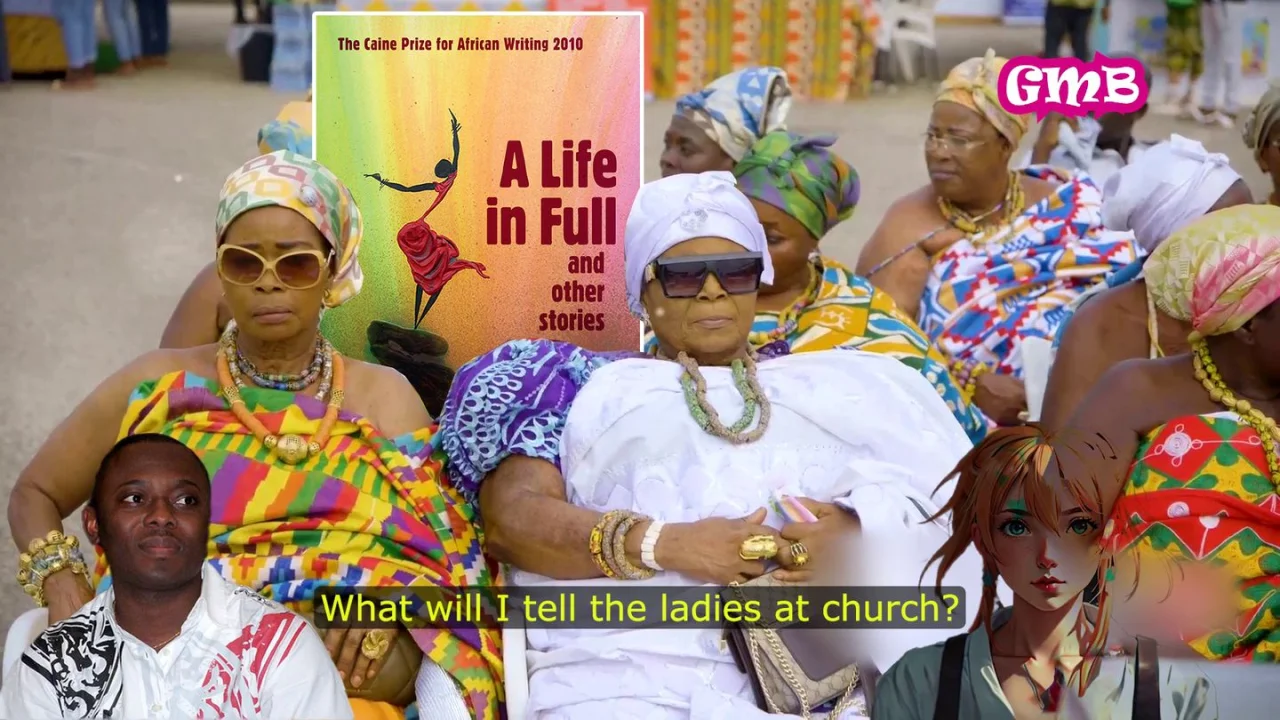
In many African families, there’s a particular kind of question that follows successful young adults around like a stubborn shadow:
“So… when are you getting married?”
It usually starts gently. A casual comment at a wedding. A playful jab during Christmas dinner. But before long, it becomes something bigger—almost like a national project everyone feels entitled to supervise.
That’s exactly the tension at the heart of A Life in Full by Jude Dibia—a deceptively simple short story that quietly dismantles the expectations surrounding marriage, family, and what it means to live a “complete” life.
On the surface, it’s just a story about a mother visiting her son in Lagos.
But beneath that surface lies a delicate, emotionally complex exploration of generational conflict, personal autonomy, and cultural pressure.
If you’re curious about the anthology where this story appears, you can explore the collection here:
👉 The Caine Prize for African Writing 2010: Stories of Africa (includes A Life in Full) – https://amzn.to/4rMcpso
Summary of A Life in Full (No Major Spoilers)
The story centers on Victor, a successful young Nigerian man living comfortably in Lagos. He has a good job, his own place, and the independence many people dream of.
There’s just one problem.
Victor is not married.
And in many African households, that’s not a small detail—it’s practically a crisis.
Victor’s mother, Mabel, is deeply troubled by this. When Victor mentions that he isn’t feeling well, she immediately seizes the opportunity to visit him in Lagos. But this isn’t just a casual check-in.
Mabel arrives prepared.
She brings cooking pots, advice, and a determined mission: convince her son to settle down and start a family.
Victor, however, has other plans.
He values his privacy, personal space, and independence, and he quietly resists his mother’s efforts. Instead of direct confrontation, their conflict unfolds through subtle tension: rearranged furniture, guarded conversations, and carefully avoided topics.
During her stay, Mabel even plants a small tomato garden in Victor’s yard—perhaps as a way to nurture something meaningful during her visit.
But the tomatoes never grow.
And that quiet failure becomes one of the story’s most powerful symbols.
Meanwhile, conversations with Victor’s sister Thelma, who lives in the United States, begin to shake Mabel’s certainty. Slowly, she starts to question whether she truly understands her son—or the world he now inhabits.
The story unfolds gently, without dramatic twists.
Instead, it builds toward something quieter but more profound: a moment of acceptance and letting go.
Themes and Meaning: What A Life in Full Is Really About
At its core, Jude Dibia’s story asks a simple but uncomfortable question:
What does it actually mean to live a “full” life?
For Mabel’s generation, the answer seems obvious.
A fulfilled life means:
-
Marriage
-
Children
-
Sacrifice
-
Family legacy
These milestones are not just personal choices—they’re cultural expectations.
Mabel’s own life reflects that worldview. She married young, gave up her education, and endured a difficult marriage. Her sacrifices were built on the belief that family and children give life its meaning.
Victor, however, represents a different philosophy.
To him, fulfillment looks like:
-
Independence
-
Personal peace
-
Freedom from societal pressure
His quiet refusal to marry isn’t necessarily rebellion—it’s simply his version of happiness.
And that difference creates the emotional heartbeat of the story.
The Symbolism of the Tomato Garden
One of the most memorable elements in the story is Mabel’s failed tomato garden.
At first glance, it seems like a small detail. But it carries enormous symbolic weight.
The garden represents Mabel’s desire to plant something meaningful in her son’s life—to cultivate growth, family, and continuity.
But the tomatoes never grow.
Just like her attempts to steer Victor toward marriage, the garden refuses to flourish.
Instead of forcing the issue, Mabel eventually realizes something important:
Some lives cannot be cultivated by someone else’s expectations.
And sometimes, the most loving thing a parent can do is step back.
What Makes Jude Dibia’s Writing Stand Out
One of the most striking things about Jude Dibia’s writing is how quietly powerful it is.
There are no dramatic arguments.
No explosive confrontations.
Instead, the story unfolds through small emotional gestures—awkward silences, subtle resistance, and the unspoken tension between a mother and her son.
This restraint makes the story feel incredibly real.
Many readers—especially those familiar with African family dynamics—will recognize the delicate balance between respect and independence.
Victor never openly rebels against his mother.
But his quiet boundaries speak volumes.
That subtle emotional realism is where the story truly shines.
A Few Minor Weaknesses
If there’s one thing some readers might struggle with, it’s the slow pace.
This isn’t a plot-driven story filled with dramatic events. Instead, it focuses on emotional nuance and psychological tension.
Readers who prefer fast-moving narratives might find the story understated.
But for those who enjoy thoughtful literary fiction, the calm pacing is actually part of its strength.
About the Author: Jude Dibia
Jude Dibia is a Nigerian novelist known for exploring social issues that many writers avoid.
He is the author of:
-
Walking with Shadows (2005)
-
Unbridled (2007)
-
Blackbird (2011)
His debut novel, Walking with Shadows, was particularly groundbreaking for Nigerian literature because it featured a gay protagonist, addressing themes of identity and sexuality with rare honesty.
You can explore his work here:
👉 Walking with Shadows by Jude Dibia – https://amzn.to/4d7jXkT
Dibia’s writing often focuses on the quiet struggles people carry inside, especially when societal expectations clash with personal truth.
A Life in Full continues that tradition.
Who Should Read A Life in Full
This story will resonate strongly with readers who enjoy:
-
Thoughtful African literary fiction
-
Stories about family dynamics and generational conflict
-
Character-driven narratives rather than plot-heavy ones
-
Themes of identity, autonomy, and societal pressure
It’s particularly meaningful for readers interested in modern African social realities, where traditional values often intersect with changing cultural perspectives.
If you want to read the story itself, you can find it in the Caine Prize anthology here:
👉 The Caine Prize for African Writing 2010: Stories of Africa – https://amzn.to/4rMcpso
Final Thoughts: A Story That Asks a Difficult Question
A Life in Full is not loud.
It doesn’t shout its message.
Instead, it quietly asks readers to confront an uncomfortable idea:
What if the life we expect for someone isn’t the life they want?
Through the gentle tension between Victor and Mabel, Jude Dibia reveals how deeply cultural expectations shape our ideas of success, happiness, and fulfillment.
But the story also offers a small moment of grace.
When Mabel finally leaves Victor’s home—letting him live his life on his own terms—it’s not defeat.
It’s something far more meaningful.
It’s acceptance.
And sometimes, that’s what love looks like.
If you enjoy African literature that explores emotional and cultural complexity, this short story is absolutely worth your time.
And once you read it, you may find yourself asking the same question the story leaves behind:
What does a full life really look like?