 English
 French
 German
 Russian
 中文
中文

Betrayal, Tradition, and a 97-Page Therapy Session: A Review of "So Long a Letter"
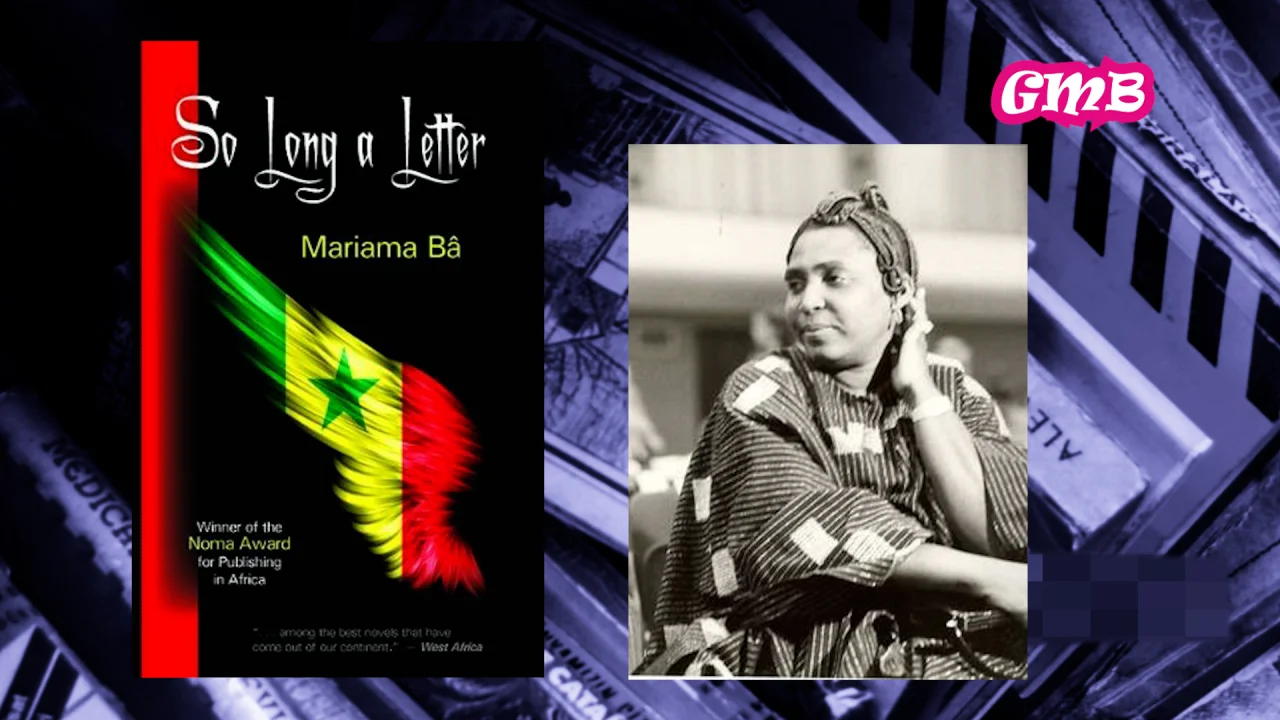
What does it actually mean to be a "liberated woman"?
It’s a question many of us grapple with today, but in 1979, Senegalese author Mariama Bâ explored this through one of the most poignant, frustrating, and beautiful pieces of literature in the 20th century.
I recently finished So Long a Letter (African Writers Series), and it made me question everything I thought I knew about the intersection of marriage, tradition, and personal autonomy. If you’re looking for a story that feels like a late-night heart-to-heart with a brilliant (if slightly exhausted) friend, this is it.
The World’s Longest Breakup Letter
Picture this: You are a middle-aged woman in Senegal. Your husband of twenty-five years has just died. You expect a moment for grief and reflection. Instead, you are swarmed by in-laws who are literally stealing your furniture, and your brother-in-law has the audacity to propose marriage to you at the funeral.
Talk about poor taste.
In response, our protagonist, Ramatoulaye, does what any overwhelmed intellectual would do: she writes. She pens a massive, therapeutic letter to her childhood best friend, Aissatou. While technically a novella, this letter serves as a visceral "debrief" of two lives lived in parallel but ended in opposite directions.
A Tale of Two Choices
The "juice" of the story lies in the comparison between the two women. Both married for love, and both were betrayed when their husbands took second, much younger wives.
-
Aissatou chose the path of "radical" liberation. She said "nope," divorced her husband, and moved on to build a successful independent life.
-
Ramatoulaye stayed. Even after her husband, Modou, completely ghosted her and their twelve children to "play house" with his daughter's best friend (yes, you read 그 right), she remained legally tied to him for five years until his death.
You can grab a copy of this essential feminist text here: So Long a Letter by Mariama Bâ.
The Paradox of the "New African Woman"
Ramatoulaye is a fascinating, walking contradiction. She is highly educated, politically aware, and a fierce advocate for women's rights. Yet, she admits:
"Even though I understand your stand, even though I respect the choice of liberated women, I have never conceived happiness outside marriage."
Is this hypocrisy? Or is it a nuanced reality? Ramatoulaye represents a generation caught between two worlds. She raises her daughters to be fiercely independent—allowing them to wear trousers and choose their own partners—yet she herself feels "constricted" by the very fashions and freedoms she advocates for.
A Scathing Critique of Polygamy
While the characters are Muslim, the book serves as a devastating critique of how polygamy is practiced within patriarchal structures. Through three different family scenarios, Bâ shows us the fallout of these unions:
-
Emotional Distress: The feeling of being "replaced" by a younger model.
-
Financial Abandonment: Husbands funneling resources away from their first families.
-
Mental Health: Characters suffering nervous breakdowns and, in one case, death.
It’s not just a critique of a religious or cultural institution; it’s a critique of the disregard for women’s emotional humanity.
Why You Should Read It
Despite being written decades ago, the themes in So Long a Letter are universal. It explores the tension between:
-
Tradition vs. Modernity
-
Individual Desire vs. Social Expectation
-
The Courage to Stay vs. The Courage to Leave
Mariama Bâ didn't write a "tidy" book because life isn't tidy. She lived these contradictions herself—fighting for her education and eventually raising nine children as a single mother. She died just two years after this book was published, but her legacy as a pioneer of African feminist literature is unshakable.
Final Verdict
Rating: 5/5 Stars This 97-page novella packs more punch than most 500-page thrillers. It is a meditation on friendship, resilience, and the messy journey toward self-determination.
Check out the book on Amazon here: So Long a Letter (Paperback)
What do you think? Was Ramatoulaye weak for staying, or was she a pragmatist doing her best for her twelve children? Let me know in the comments!