 English
 French
 German
 Russian
 中文
中文

The Book That Laughs at Power — Then Hands You the Mirror
There was a moment, somewhere between laughter and discomfort, when I had to pause.
It wasn’t because the story was confusing. It was because it felt too familiar. The kind of familiar that makes you wonder whether you’re reading fiction… or just a slightly exaggerated version of real life.
You know that feeling when a joke lands a little too close to the truth? That’s what The Ghost of Sani Abacha does. It makes you laugh — then quietly asks, “Why are you laughing?”
And suddenly, you’re not so sure anymore.
Introduction: A Sharp, Playful Voice in African Literature
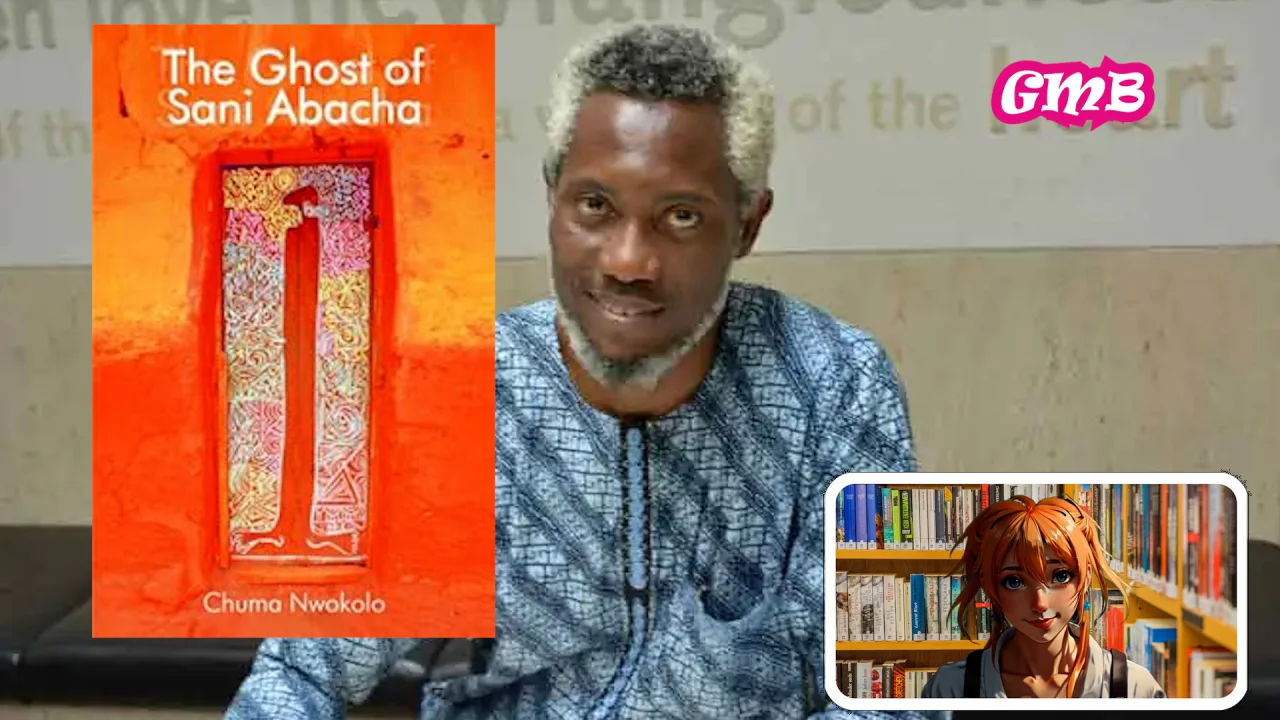
The Ghost of Sani Abacha by Chuma Nwokolo is not your typical short story collection. It’s bold, witty, and unsettling in the way only good satire can be.
Across 26 stories, Nwokolo explores politics, love, greed, religion, and human behavior — not with heavy lectures, but with humor, irony, and a deep understanding of how people really think and act.
👉 You can find the edition I read here:
https://amzn.to/4q01TMJ
Summary: Twenty-Six Stories, One Uncomfortable Truth
This isn’t a single narrative. It’s a collection of 26 short stories, each standing on its own — but all connected by a shared pulse: the messy, often contradictory nature of human life.
We meet characters like:
-
Ma Rebecca, a woman haunted by tragedy and suspicion, whose desperate choices blur the line between fate and consequence.
-
Politicians in “The Ghost of Sani Abacha”, where power becomes less about service and more about personal wealth.
-
Entire communities in “Gluttony”, devouring abundance while quietly revealing their deepest fears.
-
Civil servants like Phiri Bombai, rising not through merit, but through connections — and paying the price.
-
Lovers in “A Taste of Leftovers”, undone not by fate, but by silence and misunderstanding.
The stories move through themes of corruption, greed, communication breakdown, and resilience — all without ever feeling repetitive.
No big spoilers here. Just know this: each story leaves something unfinished… and that’s exactly the point.
Analysis & Review: When Fiction Feels Like a Confession
What makes Nwokolo’s writing stand out isn’t just the stories — it’s how he tells them.
1. Satire That Cuts Deep
The political commentary here is sharp, but never preachy. In the title story, power is treated like a gateway to wealth — and honestly, it doesn’t feel far from reality. The book quietly suggests that corruption isn’t an exception. It’s a system.
And the uncomfortable part? It doesn’t just blame the powerful. It shows how anyone, given the chance, might do the same.
2. The Theme of “Never Enough”
“Gluttony” captures this perfectly. A beached whale becomes a feast — and then a frenzy. People hoard, overconsume, and refuse to stop, even when it hurts them.
It’s not really about food.
It’s about that endless hunger — for wealth, power, security — that never quite goes away.
3. Communication as a Silent Villain
Some of the most painful moments in this collection don’t come from betrayal or conflict, but from misunderstanding. “A Taste of Leftovers” shows how easily something meaningful can fall apart when people fail to say what matters.
It’s frustrating… because it’s real.
4. Writing That Invites You In
Nwokolo doesn’t explain everything. He leaves gaps — intentional ones.
You’re forced to interpret, to question, to finish the story in your own mind.
At times, it can feel disorienting. You might even think, Wait, is that it?
But then you realize — the story didn’t end. It just moved into your head.
Strengths
-
Sharp, intelligent satire
-
Deeply human characters
-
Playful, creative use of language
-
Stories that linger long after reading
Weaknesses
-
Some endings may feel too open
-
Not ideal if you prefer clear resolutions
-
The shifts between stories can feel uneven at times
Still, these “weaknesses” feel intentional — almost like part of the experience.
Conclusion & Recommendation: Not an Easy Read — But an Honest One
This isn’t a book you read passively.
It demands your attention. Your interpretation. Sometimes even your patience.
But if you’re willing to meet it halfway, it rewards you with something rare — stories that don’t just entertain, but engage.
👉 If you’re curious, you can check it out here:
https://amzn.to/4q01TMJ
Final Thoughts: The Stories Don’t End When You Close the Book
What stayed with me wasn’t a specific character or plot.
It was the feeling that these stories were still continuing — somewhere outside the pages. In politics. In relationships. In everyday choices people make without thinking too much about them.
The Ghost of Sani Abacha doesn’t try to give you answers.
It gives you situations. Questions. Mirrors.
And maybe that’s why it lingers.
Because long after you’ve finished reading, you’re still trying to decide what you actually saw.
👉 If you’d like to read the same edition I did, here’s the link again:
https://amzn.to/4q01TMJ