 English
 French
 German
 Russian
 中文
中文

A Chorus of Human Voices: A Silent Song and Other Stories
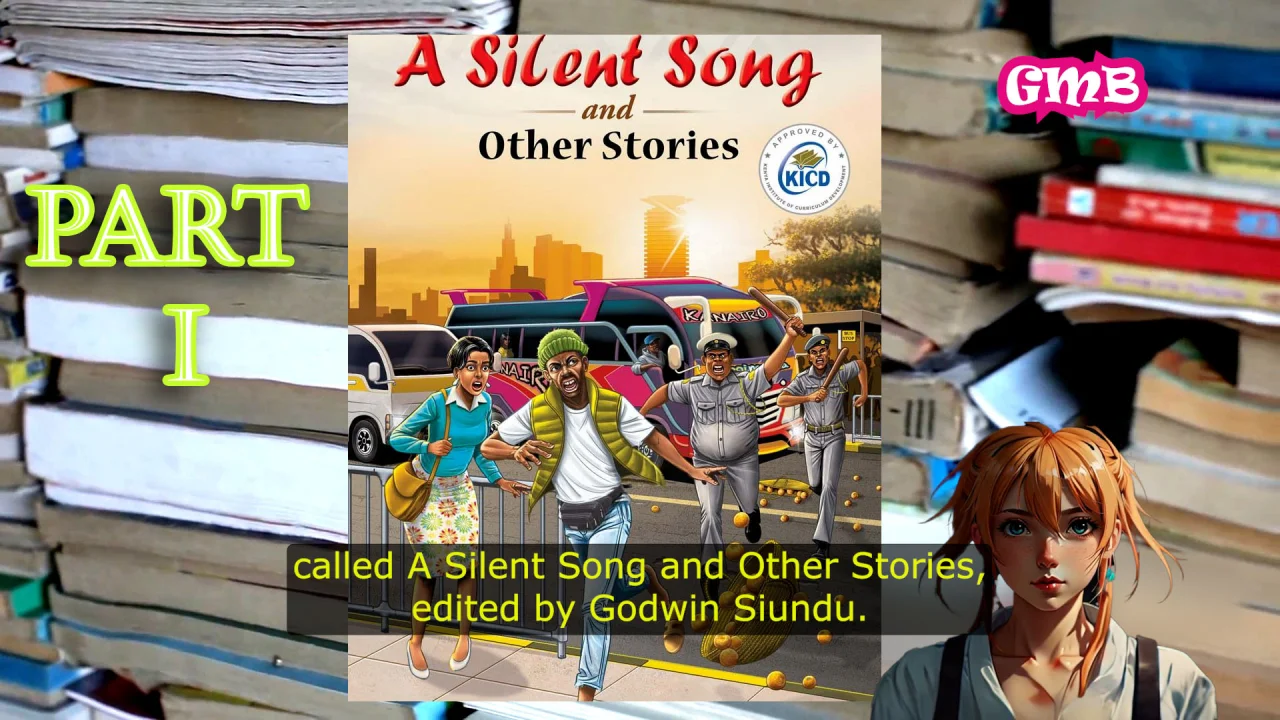
There’s something comforting about short stories when done right. You sit down thinking, “Just one before bed,” and suddenly you’ve traveled across continents, centuries, and moral dilemmas—without ever leaving your chair. That’s exactly the experience A Silent Song and Other Stories, edited by Godwin Siundu, delivers.
This anthology doesn’t shout. It doesn’t rush. Instead, it gathers voices—from Africa, Europe, and the Caribbean—and lets them speak quietly, sometimes humorously, sometimes brutally, but always honestly. By the time you finish, you realize you haven’t just read stories; you’ve overheard lives.
Power, Justice, and the Slippery Slope of Good Intentions
The collection opens with Naguib Mahfouz’s “A Man with Awesome Power,” and honestly, it feels like a moral fable disguised as a fantasy. Tayyib al-Mahdi, a peaceful retiree, dreams of a glowing figure who hands him absolute power—no training manual included.
At first, Tayyib uses his gift like a civic-minded superhero: fixing potholes, tidying streets, helping strangers. But slowly, quietly, the power shifts him. A rude taxi driver gets punished. A harasser on a bus collapses in pain. Soon, Tayyib isn’t just fixing problems—he’s deciding who deserves mercy.
Mahfouz doesn’t rush the lesson. He lets it unfold naturally until Tayyib’s vanity—especially when romance gets involved—costs him everything. It’s a sharp reminder that power doesn’t always corrupt loudly; sometimes it whispers.
When the City Turns on Its Own
From Egypt, we move to Nairobi in Meja Mwangi’s “An Incident in the Park.” This is one of those stories that sneaks up on you. An elderly fruit seller, poor but honest, lives in fear of authority because he lacks a license. That fear alone already tells you everything you need to know.
When idle city men mistake him for a thief, mob justice takes over. No investigation. No compassion. Just violence.
Mwangi captures the cruelty of urban survival with painful precision. It’s not dramatic in the traditional sense—but it’s devastating because it feels real. This is a story about how quickly dignity can be stripped away when poverty meets suspicion.
Strength, Dignity, and Resistance in the Marketplace
Vrenika Pather’s “Ninema” offers a shift in tone—lighter, but no less serious. Ninema is a market woman who commands respect, not because she demands it, but because she earns it. Her stall runs like clockwork. Customers adore her.
When a man harasses her, Ninema doesn’t plead or freeze. She reacts. One slap, decisive and unapologetic.
It’s a small moment, but it carries weight. Pather gives us a woman who refuses to surrender her dignity in a space where women are often expected to tolerate abuse quietly. It’s empowering without being preachy.
Silence, Suffering, and Religious Hypocrisy
Then comes the emotional core of the anthology: Leonard Kibera’s “A Silent Song.”
Mbane is blind, paralyzed, and abandoned—until his preacher brother Ezekiel “rescues” him. But Ezekiel’s concern is spiritual, not human. He preaches salvation while Mbane lies in pain, ignored and unheard.
This story is heavy. There’s no humor to soften it, no dramatic rescue. Just quiet suffering and the terrifying emptiness of neglect disguised as faith. Mbane’s death doesn’t feel tragic in a cinematic way—it feels inevitable, and that’s what makes it hurt.
Tradition, Love, and Cruel Irony
In Eric Ng’amaryo’s “Ivory Bangles,” tradition rules absolutely. An old man receives a bad omen and is instructed by a seer to beat his wife and send her away. The tragedy is that he genuinely loves her—and has loved her faithfully in a society where that’s rare.
The ivory bangles he once gave her, carved from an elephant he killed, symbolize devotion. When she is later trampled to death by an elephant, those bangles shatter.
The irony is devastating. Nature, memory, and tradition collide, leaving behind a question the story never answers: Was this fate, punishment, or human stubbornness?
Fathers, Sons, and Inherited Violence
Charles Mugoshi’s “The Sins of the Fathers” dives into family trauma shaped by political power. Rondo believes his father, Rwafa—a ruthless political figure—engineered the deaths of his wife and children.
Through flashbacks and confrontation, Mugoshi shows how authority, when unchecked, poisons not just nations but bloodlines. The ending refuses closure, leaving readers with the unsettling truth that cycles of violence don’t always end with justice—sometimes they just echo.
Marriage, Power, and Satirical Reversal
Abioseh Nicol’s “The Truly Married Woman” brings satire into the mix. Ajayi avoids marriage; Ayo wants it. Once they finally wed, everything flips. Ayo redefines her role, stepping back from unpaid labor and demanding respect.
It’s funny, sharp, and deeply observant. Nicol isn’t mocking marriage—he’s exposing how labels and expectations reshape relationships overnight.
Greed, Guilt, and Haunted Wealth
In Stanley Gazemba’s “Talking Money,” Mukidanyi sells ancestral land for quick cash, ignoring warnings from family and wife. When strange noises and fear creep in, guilt becomes louder than profit.
This story works because it doesn’t rely on supernatural confirmation. Whether the haunting is real or psychological doesn’t matter—greed has already done its damage.
Ghosts of War and Memory
Chimamanda Ngozi Adichie’s “Ghosts” is subtle brilliance. A retired professor meets a former colleague believed dead during the Biafran War. The encounter becomes a conversation about survival, corruption, lost ideals, and the ghosts nations carry long after wars end.
Here, ghosts aren’t spirits—they’re memories that refuse to stay buried.
👉 You can find the anthology here:
A Silent Song and Other Stories on Amazon
Justice Delayed and Moral Forgiveness
Leo Tolstoy’s “God Sees But Waits” closes one emotional arc with devastating calm. Ivan Aksionov is falsely imprisoned for decades. When he finally meets the real murderer, forgiveness—not revenge—defines his final moments.
Freedom comes too late. But moral victory, Tolstoy suggests, doesn’t always align with worldly justice.
Survival at the Margins
Stories like “The Neighbourhood Watch,” “December,” “Boyi,” and “Cheque Mate” push the collection into raw territory—street children scavenging to survive, families torn apart by superstition, militia violence, and financial corruption.
Each story is different in tone, but all ask the same question: What does survival cost?
Why This Collection Matters
A Silent Song and Other Stories isn’t about heroes or neat endings. It’s about ordinary people navigating power, poverty, love, tradition, and loss. The stories linger because they don’t explain themselves—they trust you to sit with discomfort.
This is a book for readers who enjoy:
-
Literary fiction with moral depth
-
Short stories that feel global and grounded
-
Writing that respects intelligence over spectacle
It’s not for readers who want:
-
Fast-paced plots
-
Clear villains and heroes
-
Comforting resolutions
👉 If this sounds like your kind of reading, here’s the book:
A Silent Song and Other Stories – Amazon link
Final Thoughts
This anthology feels like a quiet conversation with humanity itself—sometimes warm, sometimes brutal, always sincere. It doesn’t try to impress. It tries to tell the truth.
And in a world full of noise, that silence matters.