 English
 French
 German
 Russian
 中文
中文

A Review of The Diamond as Big as the Ritz and Other Stories by F. Scott Fitzgerald
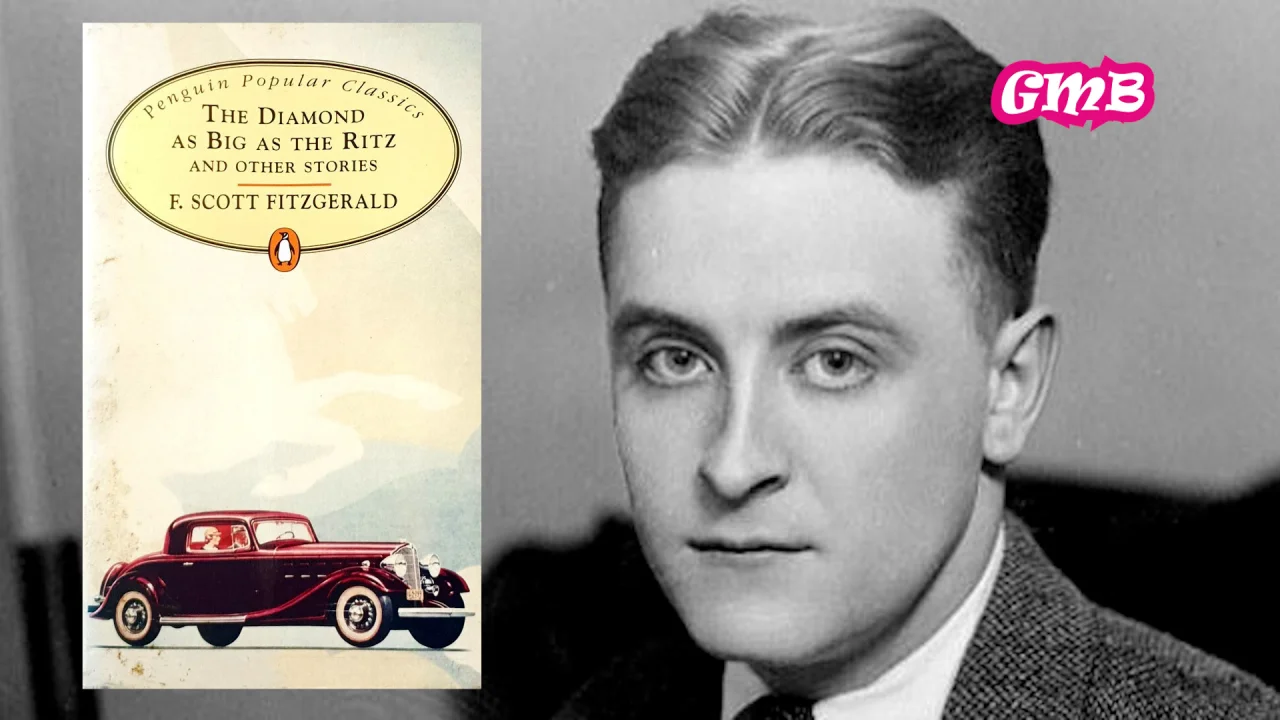
Imagine living in a house made entirely of diamonds. Walls? Diamonds. Ceiling? Diamonds. Even the bathroom sink? Diamonds. You sneeze, and tiny sparkles float in the air. Sounds like the billionaire’s ultimate fantasy, right? Well, one man actually lives this—and things quickly spiral into chaos. And if that’s not enough, there’s a story where the biggest scandal isn’t murder or betrayal—it’s a haircut. Yes, a haircut. Welcome to the dazzling, ironic, and sometimes absurd world of F. Scott Fitzgerald.
Fitzgerald isn’t just the man behind The Great Gatsby—he’s a master of satire, social commentary, and sparkling short fiction that captures the excesses of the Jazz Age. The Diamond as Big as the Ritz and Other Stories is a collection that perfectly showcases his wit, his eye for the ridiculous, and his uncanny ability to hold up a mirror to society.
A Sparkling Adventure: The Diamond as Big as the Ritz
The first story in the collection, The Diamond as Big as the Ritz, begins with John T. Unger, a young man from a small town named Hades (yes, really). Sent to a prestigious private school, John meets Percy Washington, a classmate whose wealth makes even the richest seem modest. Percy casually reveals that his family owns the largest diamond in the world—not small, not ordinary, but the size of a mountain.
Invited to spend the summer at the Washington estate, John discovers a fortress-like mansion built atop a literal diamond mountain. Braddock Washington, Percy’s father, is paranoid to the extreme. Guards, anti-aircraft guns, and booby traps everywhere—because when your backyard sparkles like Beyoncé’s jewelry box, you don’t take chances. Worse, Braddock has a strict “no guest leaves alive” policy to protect his secret. John quickly realizes his summer vacation is really a survival story.
The story spirals into absurdity when Braddock attempts to bribe God with millions of dollars in diamonds. The result? Divine justice, chaos, and the ultimate collapse of the Washington empire. It’s over-the-top, hilarious, and darkly satirical—a biting critique of greed and materialism.
👉 You can find this story in The Diamond as Big as the Ritz and Other Stories on Amazon
Scandal in the Hair Salon: Bernice Bobs Her Hair
Shifting gears from mountains of diamonds to the social whirl of adolescence, Bernice Bobs Her Hair is all about appearances, popularity, and rebellion—through the medium of haircuts. Bernice, a sweet but socially awkward girl, visits her cousin Marjorie, the reigning queen of charm and popularity. At first, Bernice is invisible at social gatherings, but with Marjorie’s brutal guidance—flirt, tease, and joke about bobbing her hair—she quickly becomes the center of attention.
The twist? When Bernice actually goes through with cutting her hair, society gasps. Overnight, she transforms from admired to scandalized, exposing just how rigid and superficial social norms were. But Bernice isn’t one to be humiliated quietly; in a final act of clever revenge, she retaliates against Marjorie, proving that even in a world obsessed with appearances, wit and courage can turn the tables.
What Makes These Stories Shine
Both tales are quintessential Fitzgerald—glamorous on the surface, critical underneath.
-
The Diamond as Big as the Ritz satirizes the extremes of wealth and greed. Braddock Washington literally tries to bribe God, showing how money can become a sort of false deity.
-
Bernice Bobs Her Hair captures the absurdity of social rules and gender expectations, turning a simple haircut into a dramatic moral and social statement.
Reading these stories, it’s impossible not to reflect on how societal obsessions with wealth, status, and appearances persist today. Fitzgerald exposes the absurdity, the cruelty, and the humor of human vanity, making these stories as relevant now as they were nearly a century ago.
About F. Scott Fitzgerald
Born in 1896, F. Scott Fitzgerald became the definitive voice of the Jazz Age. He captured the glamour, decadence, and hidden anxieties of the Roaring Twenties, chronicling a generation both intoxicated with excess and painfully aware of its fragility. While The Great Gatsby remains his most famous work, Fitzgerald’s short stories are equally brilliant—witty, sharp, and layered with social commentary. His early death at 44 cut short a luminous career, but his stories continue to shine.
Who Should Read This Book
You’ll love The Diamond as Big as the Ritz and Other Stories if:
-
You enjoy satirical, thought-provoking fiction.
-
You’re fascinated by the Jazz Age or social commentary.
-
You like stories that are short but leave a lasting impression.
You might struggle with this book if:
-
You prefer straightforward, plot-driven narratives.
-
You’re not a fan of irony or stories that expose societal absurdities.
👉 Grab your copy here: The Diamond as Big as the Ritz and Other Stories on Amazon
Final Thoughts
From diamond-strewn estates to scandalous haircuts, Fitzgerald’s stories sparkle with humor, irony, and insight. They entertain while forcing us to reflect on greed, vanity, and social rules. Each story is a small gem in its own right, offering timeless critiques beneath glittering surfaces.
If you love literature that combines satire, drama, and unforgettable characters, this collection is a must-read. Just remember—don’t try to bribe God, and think twice before taking any cousinly dares involving scissors.
If you’ve read these stories, I’d love to hear which shocked you more—the man with a diamond mountain or the girl who risked everything for a haircut. Share your thoughts in the comments below!