 English
 French
 German
 Russian
 中文
中文

Harvest of Thorns by Shimmer Chinodya: Fire, Family, and Freedom in Zimbabwe
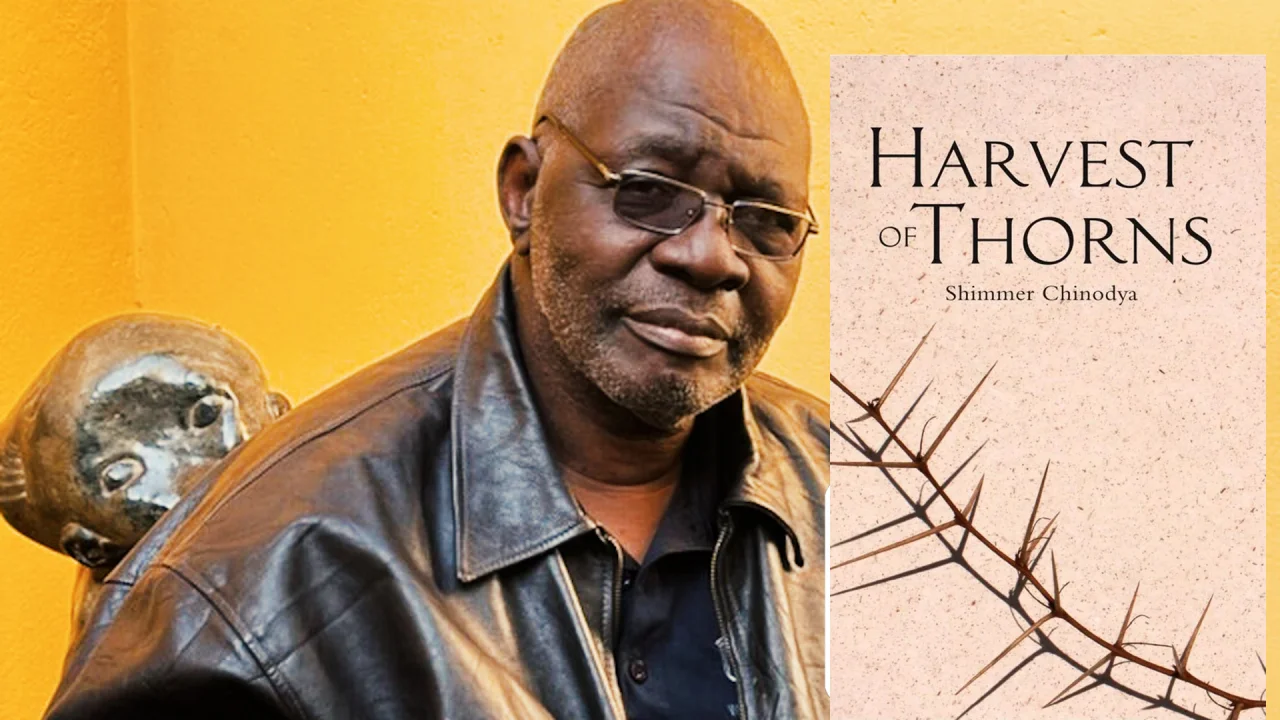
There’s always that one kid in school who takes things a little too far—the one who rebels, sets the rules on fire, and somehow makes the rest of us feel like slackers. In the Zimbabwe of the 1970s, that kid was Benjamin Tichafa. Only Ben’s version of rebellion wasn’t about skipping homework or sneaking into movies—it was about lighting beerhalls ablaze, protesting colonial conscription, and eventually running off into the bush to join the guerrilla fighters.
Shimmer Chinodya’s Harvest of Thorns isn’t a light-hearted schoolyard tale, though. It’s a raw, unflinching portrait of Zimbabwe’s liberation struggle, seen through the eyes of one family—and one boy who grows up faster than he ever should. This is a story of fire, blood, loss, and the painful realities of freedom.
👉 You can find Harvest of Thorns here on Amazon.
A Glimpse Into the Story
At its core, Harvest of Thorns follows Benjamin Tichafa, the eldest son of a strict, deeply religious household. His father, Mr. Clopas Tichafa, views anything less than pious devotion as sinful—music, dancing, laughter—all suspect. So when Ben starts defying authority, burning beerhalls, and challenging colonial rule, he becomes both a political and spiritual disappointment.
After being arrested for protesting the conscription of black youths into the colonial army, Ben is bailed out by his headmaster—but instead of staying out of trouble, he disappears into the bush to join the liberation war. Adopting the guerrilla codename Pasi NemaSellout (“Down with the Sellout”), he is thrust into a world of secrecy, camaraderie, and deadly conflict.
In the bush, war isn’t about heroics—it’s about survival. Ben confronts bombings, loss, betrayal, and the moral complexities of armed struggle. Friends die, loyalties are tested, and innocence is stripped away, leaving him to navigate the emotional toll of a fight far larger than himself.
Family, Conflict, and the Home Front
While Ben is surviving war in the bush, the Tichafa household is unraveling. His father abandons the family for a widow next door, his sister elopes, and his mother is left to shoulder emotional and practical burdens alone. Post-war, Ben returns changed, carrying scars both physical and emotional, alongside a pregnant girlfriend whose family was wiped out for supporting the liberation fighters.
The family’s reunion is bittersweet. Traditions are strained, forgiveness is sought, and the home feels both familiar and foreign. Chinodya paints a picture of post-war reality that’s just as harsh as the battlefield: despite sacrifice, recognition and support for ex-combatants are limited, and the promises of freedom clash with bureaucratic indifference.
Ben’s reflections are piercing:
“Of course, when we went out we thought our guns could change things overnight. And then we came back to find the whites could still shout at us because they still have the money and the ex-combatants have to scrounge for jobs just like everyone else...” (p.243)
“Five years from now the war will be totally forgotten… We were heroes during the heat of the war, but now we have been left to lick our wounds. You think we consider ourselves heroes?” (p.243)
This is the emotional heart of Harvest of Thorns—it’s not just about the struggle for independence, but the struggle to find meaning after the guns fall silent.
Themes, Symbolism, and Social Commentary
Chinodya’s brilliance lies in his refusal to romanticize war. He presents the liberation fighters as flawed humans—students, workers, and youths united by a cause, yet imperfect, quarrelsome, and vulnerable. The novel navigates complex moral territory: acts of violence, betrayal, and survival are weighed against a backdrop of historical necessity.
Freedom comes at a cost, and Chinodya never lets the reader forget it. He separates the act of fighting from the post-war reality, reminding us that political victory doesn’t erase personal and societal trauma. As Ayi Kwei Armah wrote in Two Thousand Seasons:
“A people losing sight of origins are dead. A people deaf to purposes are lost… Woe the race, too generous in the giving of itself, that finds a road not of regeneration but to its own extinction…”
Harvest of Thorns is Chinodya’s meditation on origins, purpose, and the enduring consequences of liberation.
About the Author – Shimmer Chinodya
Born in 1957, Shimmer Chinodya is one of Zimbabwe’s most respected novelists. His works, including Dew in the Morning, explore socio-political landscapes with depth and honesty. Harvest of Thorns, published in 1989 and winner of the 1990 Commonwealth Writers Prize for the Africa Region, stands out as his most politically potent novel.
Chinodya’s writing is accessible yet rich, balanced yet passionate, making him a storyteller whose prose carries both the weight of history and the intimacy of lived experience.
My Take: Why You Should Read This Book
Harvest of Thorns is not just a war novel. It’s a coming-of-age story, a family drama, a political commentary, and a historical document rolled into one. It challenges readers to confront the moral ambiguities of war, the cost of freedom, and the disillusionment that often follows.
You’ll appreciate this novel if you enjoy:
-
Thought-provoking narratives about history and politics
-
Complex, morally grey characters
-
Stories that examine both the personal and national cost of conflict
You might struggle with this book if you prefer:
-
Clear-cut heroes and villains
-
Fast-paced plots with tidy resolutions
-
Avoiding heavy emotional or moral reflection
Despite its weighty themes, Chinodya’s storytelling is compelling, humane, and unforgettable.
👉 Grab your copy of Harvest of Thorns here on Amazon.
Final Thoughts
Reading Harvest of Thorns is like holding a fire in your hands—painful, illuminating, and impossible to ignore. It reminds us that freedom is earned through sacrifice, and that history is carried not just in textbooks, but in families, scars, and the quiet aftermath of struggle.
Whether you’re exploring African literature, seeking insight into liberation movements, or simply looking for a story that will stay with you long after the last page, Harvest of Thorns is essential reading. Chinodya doesn’t offer easy answers—but he offers truth, and sometimes, that’s the most valuable gift of all.
If you’ve read Harvest of Thorns, I’d love to hear your thoughts—did Ben’s journey resonate with you? How do you interpret the post-war realities he faces? Share your reflections in the comments and keep the conversation alive.
📘 Buy Harvest of Thorns on Amazon – 248 pages of fire, blood, and truth.