 English
 French
 German
 Russian
 中文
中文

The Man Who Bought a Farm and Lost His Soul: A Review of 'The Conservationist'
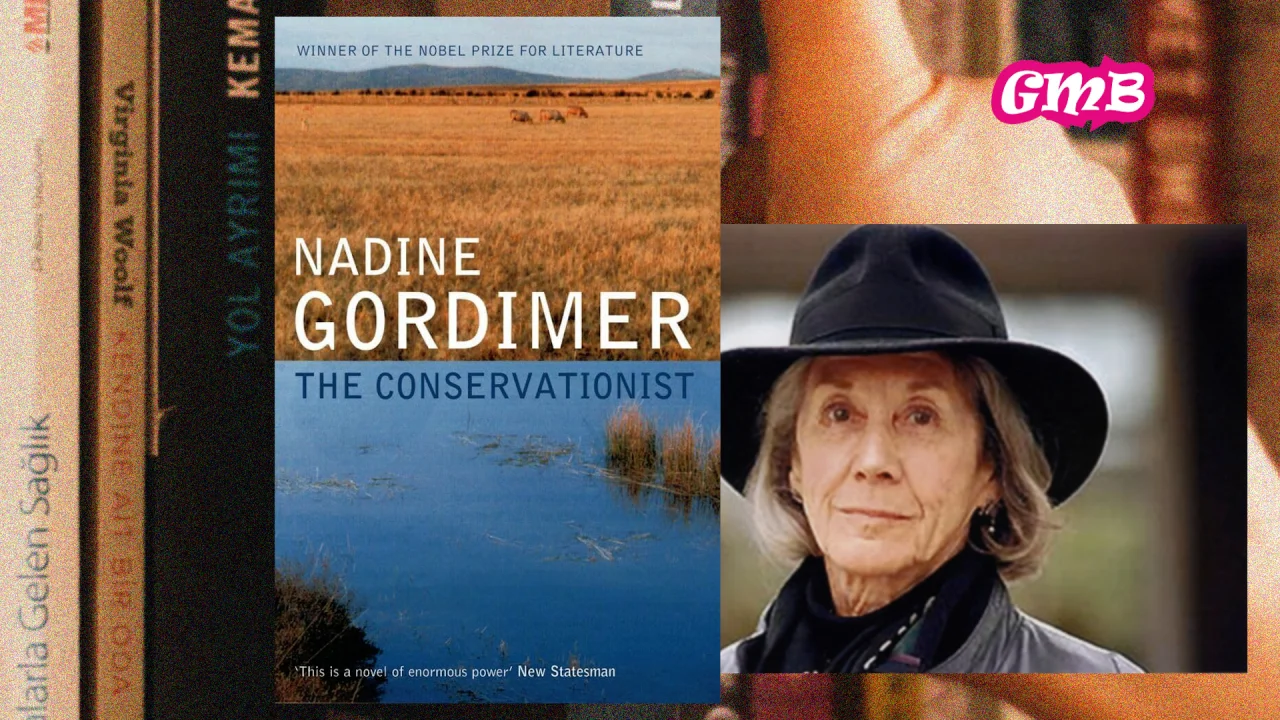
You know what’s funny? Owning a massive plot of land without knowing the first thing about farming. Imagine being so wealthy and out of touch that your idea of a "rural escape" involves staring at guinea fowl and pretending you’re one with nature—meanwhile, the only hoe you’ve ever held is probably in a museum.
Welcome to the world of Mehring, the protagonist of Nadine Gordimer’s Booker Prize-winning masterpiece, The Conservationist. He’s rich, white, divorced, and a "conservationist"—at least in theory. By trade, he’s a pig-iron tycoon; by hobby, he’s a weekend farmer in apartheid-era South Africa.
This isn't a story about pastoral peace. It’s a story about land, death, privilege, and the awkward dance of a man trying—and failing—to find meaning in all the wrong places.
The Story: A Possession That Owns You
Mehring is the kind of man who has everything money can buy, but the more he owns, the less he actually has. He owns a farm he doesn't run, employs workers he doesn't understand, and has a son who refuses to speak to him. Even his communication with his ex-wife is outsourced to a lawyer.
He didn't buy the farm out of a love for the soil. He bought it because, in his world, that’s what powerful men do. But the land has a memory longer than a bank statement. Living on that farm are Jacobus, Solomon, and others—black workers whose ancestral roots in that soil were deep long before Mehring’s check ever cleared.
Everything shifts when a dead body is found on the property. Because the man is black, the apartheid police bury him on the spot with no ID and no ceremony. They treat him like trash to be hidden. But nature doesn’t keep secrets. When a violent flood hits, the land rebels, and the water uncovers the body like a suppressed truth bubbling to the surface.
Mehring: The Fortress of Loneliness
Mehring is a man both connected and profoundly alienated. He’s tethered to international travel and corporate power, but emotionally, he’s a ghost. His son, Terry, rejects his father’s conservative, militaristic values, seeing the farm not as a legacy, but as a symptom of a broken system.
The irony of the title is heavy. Mehring thinks he’s "conserving" nature, but he’s really trying to conserve a dying way of life. If you want to dive deep into this psychological character study, you can pick up a copy of The Conservationist here.
Who Really Owns the Land?
Gordimer throws a metaphorical grenade into the idea of ownership. On paper, Mehring is the master. But deep down, he knows the truth:
"There’ll be dissatisfaction because they were here when he came... and they’ll expect to have their grandchildren squatting long after he’s gone."
The black workers don't need a deed; their connection is ancestral and lived. This realization haunts Mehring. He senses that one day, the land will spit him out just as it did the body in the shallow grave.
Why You Should Read It (Even if it’s Hard)
I’ll be honest: reading The Conservationist is like mental weightlifting. It is dense, slippery, and switches perspectives between first, second, and third person. It won't hug you like a beach read, and it doesn't offer easy answers.
But that is the genius of Nadine Gordimer. She doesn't tell you apartheid is wrong; she makes you feel the spiritual emptiness and the creeping rot of a society built on injustice.
Key Themes to Look For:
-
Land Ownership vs. Belonging: The tension between legal titles and ancestral roots.
-
The Inevitability of Change: The floods represent the gathering storm of political resistance.
-
The Irony of Conservation: Real conservation is about human dignity, not just protecting wildlife.
About the Author: Nadine Gordimer
Nadine Gordimer didn't just write about South Africa; she lived its struggle. A Nobel Prize winner and a member of the ANC when it was still a banned organization, she used her pen as a weapon against silence. If you enjoy this, you should also check out her other landmark works like Burger’s Daughter or July’s People.
Final Verdict
If you’re looking for a book that makes you uncomfortable in the best way possible, this is it. It’s a brutal look at a man, a nation, and a future that cannot be bought.
Read hard, think deep.