 English
 French
 German
 Russian
 中文
中文

When Frank Sinatra Breaks the Rules: A Deep Dive into Garry Trudeau’s Satirical Masterpiece
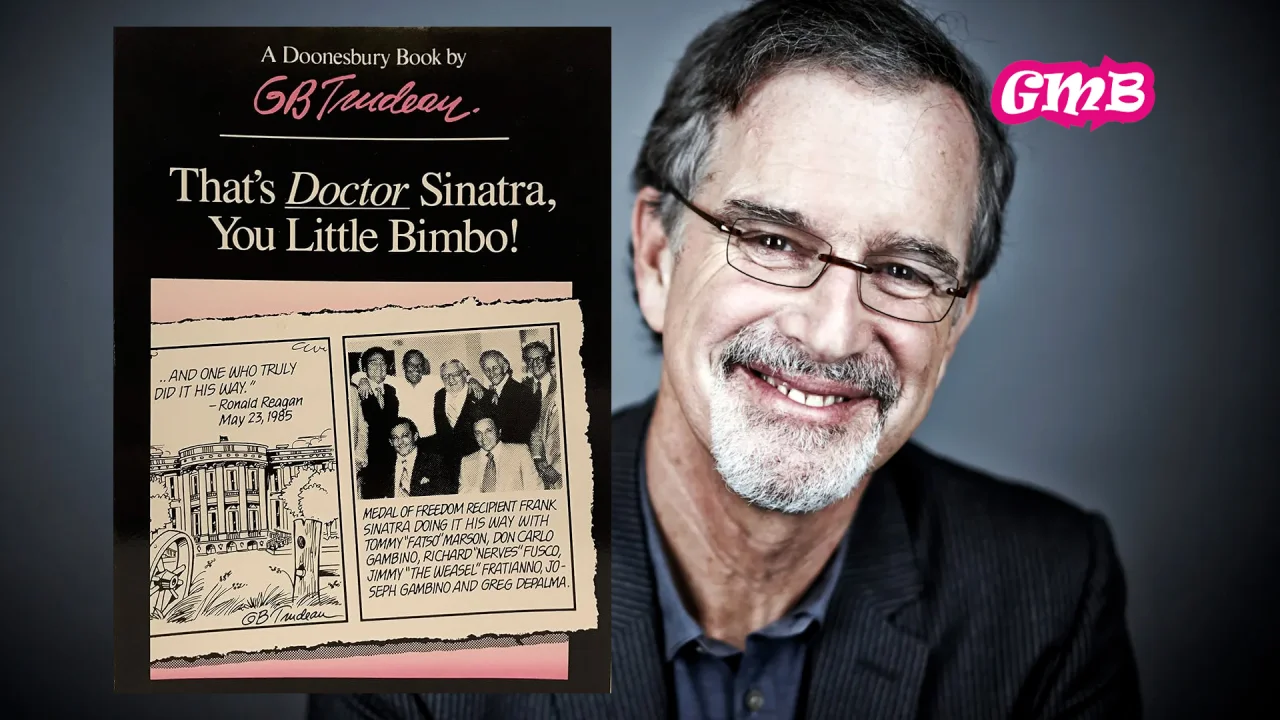
Imagine walking into a casino where the rules are simple: the supervisor shuffles the cards before dealing. Pretty straightforward, right? Now picture a legendary celebrity strolling in, flashing that unmistakable aura, and demanding, “Deal the cards yourself.” When the dealer hesitates, the boss steps in and says, “What’s the matter with you? He’s above the rules!”
No, this isn’t a scene from a mob movie. This is America, circa the 1980s, where fame and fortune often rewrite the law. And it’s precisely this absurd yet painfully familiar world that Garry Trudeau captures in his 1985 graphic novel That’s Doctor Sinatra, You Little Bimbo!.
With razor-sharp satire, Trudeau exposes the hypocrisies of American culture, politics, and social mores—many of which feel eerily relevant today.
What Kind of Book Is This?
This is a satirical graphic novel about the ironies of American life, fame, and power.
-
Tone: Hilarious, biting, reflective
-
Pace: Moderate, story-driven
-
Themes: Celebrity culture, social injustice, women’s liberation, economic inequality, international politics
This book is for readers who:
-
Appreciate sharp social satire
-
Enjoy politically and culturally aware graphic novels
-
Like humor that makes you think
This book is NOT for readers who:
-
Prefer straightforward, lighthearted stories
-
Avoid satire that critiques society and privilege
👉 The edition I read is available here: That’s Doctor Sinatra, You Little Bimbo!
A Taste of the Stories
The Casino That Defies Rules
The opening story sets the tone with Frank Sinatra in a glitzy casino, demanding to break the rules. The dealer hesitates, the boss cowers, and the absurdity of celebrity privilege unfolds before your eyes. Trudeau uses this moment to showcase the “larger-than-the-law” status of American icons—a concept that resonates just as much today as it did then.
The Charity That Wasn’t
Trudeau’s satire cuts deeper when he turns his lens on society’s attitudes toward homelessness. A woman tries to convince wealthy socialites to fund shelters, only to be met with this brutally ironic response:
“It’s not that we don’t care. Au contraire, we adore good causes. It’s just these shelters for the homeless encourage vagrancy. If only it were an animal shelter. Or a big disease. If it were one of the big diseases, I could have a party.”
The cynicism is sharp enough to cut glass, highlighting how compassion is often selective and performative.
Women’s Liberation with Nuance
Trudeau also explores gender roles through a story about a woman abandoning the search for “Mr. Right.” Instead of waiting for a man to define her life, she asserts control over her own choices. Yet the author cautions against the pendulum swinging too far, turning empowerment into domination. Trudeau pushes for balance, not role reversal.
Economic Apartheid in Paradise
One of the most shocking stories takes place in Palm Beach, Florida, where domestic workers must carry ID cards or risk arrest for loitering. Unsurprisingly, Black and Hispanic employees are disproportionately affected. The wealthy justify it with absurd rationales, likening the cards to a sense of belonging. Trudeau’s comparison to apartheid South Africa drives the satire home.
International Intrigue and Starvation Politics
Trudeau extends his critique globally, spotlighting Ethiopia during the famine. While Americans tried to deliver aid, Soviet-backed forces weaponized starvation. Celebrities arrived to sing songs and produce charity albums, presenting themselves as the “voice of Africans,” often oblivious to the real situation. Trudeau’s storytelling here is prophetic—highlighting the gaps between perception and reality in international aid.
The Ultimate Satirical Punch
The most audacious satire comes in the fictional “Apart-Aid” benefit recording for South Africa, where proceeds buy computers for security forces under the guise of supporting freedom. Trudeau’s biting humor underscores the contradictions and moral blindness of international activism and American philanthropy.
Why This Book Matters
Published in 1985, Trudeau’s work is startlingly prescient. Every critique—celebrity privilege, selective charity, economic segregation, political manipulation—remains relevant today. This isn’t just humor; it’s social prophecy.
The book also enraged the establishment. Senators literally complained about it on the congressional floor—a testament to the power of satire to provoke reflection and discomfort.
About Garry Trudeau
Garry Trudeau, creator of the iconic Doonesbury comic strip, is a master of blending humor with social commentary. He was the first comic strip artist to win a Pulitzer Prize for Editorial Cartooning and has consistently challenged power structures with wit and intelligence.
Trudeau’s brilliance lies in his ability to tackle serious issues through humor—from Palm Beach racism and Cold War politics to celebrity culture and women’s rights. Laughter becomes a lens to examine uncomfortable truths.
My Verdict
Strengths:
-
Sharp, biting satire that still resonates today
-
Wide-ranging stories from local to global issues
-
Intellectual breadth and depth in a humorous, accessible format
Weaknesses:
-
Some stories may feel dated in cultural references
-
Satire can be biting enough to make readers uncomfortable
Despite minor drawbacks, this graphic novel is a must-read for anyone interested in culture, politics, or social commentary. Trudeau’s humor isn’t just funny—it’s illuminating.
Who Should Read This Book
You’ll enjoy this book if you:
-
Love sharp social satire and political humor
-
Appreciate graphic novels with cultural critique
-
Read to reflect, not just escape
You might struggle if you:
-
Prefer light, non-confrontational stories
-
Avoid satire that challenges social norms
👉 Grab your copy here: That’s Doctor Sinatra, You Little Bimbo!
Final Thoughts
That’s Doctor Sinatra, You Little Bimbo! is part time capsule, part crystal ball. Trudeau’s satire exposes the absurdities of 1980s America while eerily predicting the issues we still face today. It’s funny, uncomfortable, and thought-provoking—a rare combination that only the best satirists achieve.
If you want a book that will make you laugh, cringe, and reconsider what you thought you knew about society, this is it. Trudeau holds up the mirror, and it’s impossible to look away.