 English
 French
 German
 Russian
 中文
中文
The City That Spits You Out and Calls It Opportunity
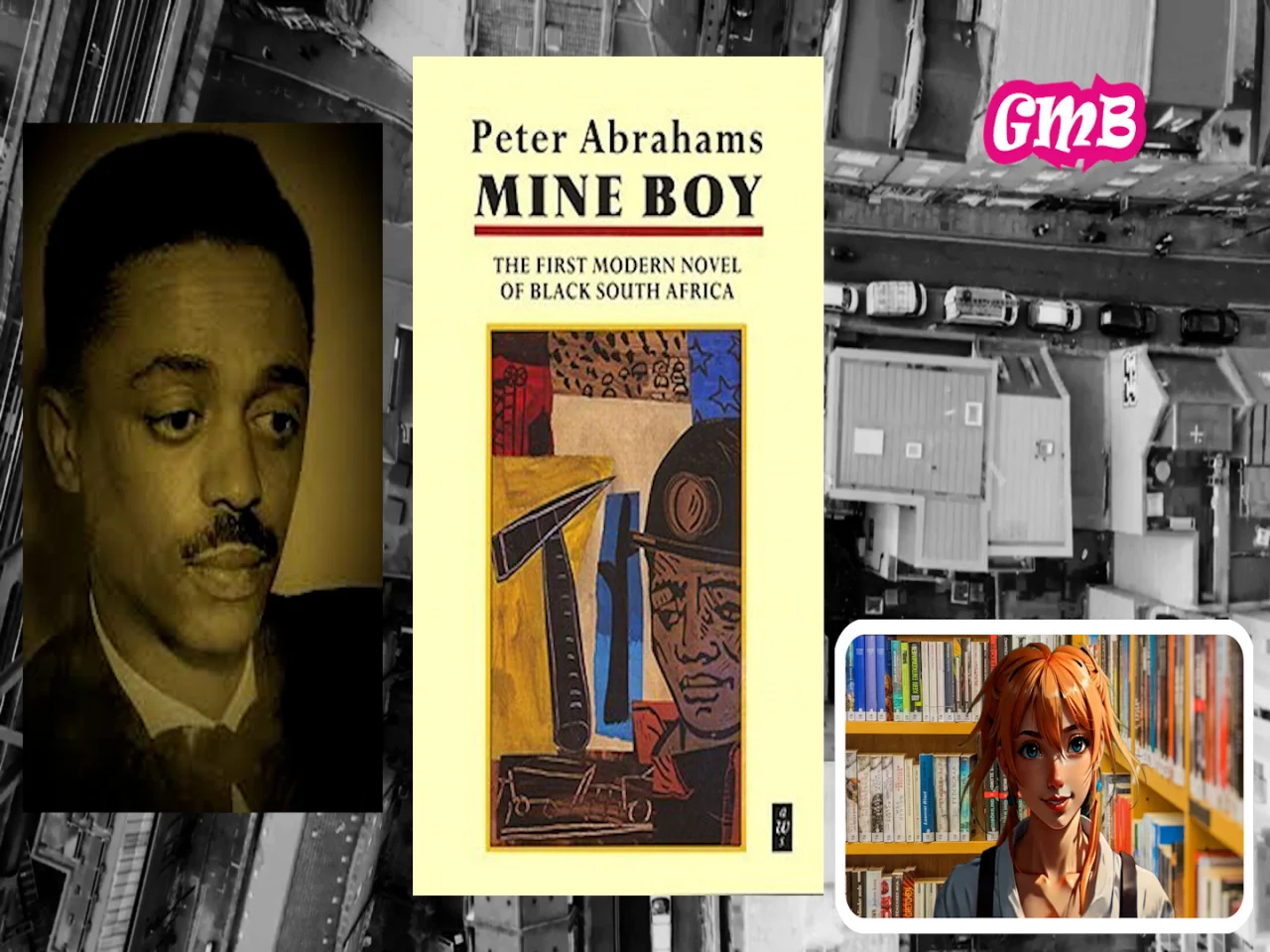
I kept thinking about how hopeful Xuma was when he first stepped into Johannesburg.
There’s something painfully familiar about that kind of hope. The kind that packs a small bag, leaves the village behind, and believes hard work is enough. The kind that thinks cities are built for dreamers.
And then the city answers back.
Not with opportunity.
But with passbooks. Police whistles. And the slow, choking dust of a mine.
I finished this novel feeling both heavy and awake — like someone had gently placed a hand on my shoulder and said, “Look closer. This is how systems break people.”
What Kind of Novel Is This?
This is a social realist, political coming-of-age novel about dignity under oppression.
Tone: reflective, quietly angry, deeply human
Pace: moderate, steady, emotionally immersive
Themes: race, labor, love, identity, injustice, resistance, psychological colonization
This book is for readers who:
-
Love classic African literature that blends politics with personal struggle
-
Appreciate character-driven stories more than plot twists
-
Want to understand pre-apartheid South Africa through lived experience
This book is NOT for readers who:
-
Need fast-paced action in every chapter
-
Prefer clear-cut heroes and villains
-
Avoid emotionally heavy stories
👉 The edition I read is available here:
Mine Boy by Peter Abrahams (Amazon)
Why This Story Matters (Emotional Core)
What struck me most about Mine Boy is how quietly it exposes cruelty.
Published in 1946 — two years before apartheid officially began — this novel already understood the machinery. The pass laws. The segregation. The economic traps. The psychological damage. It saw the storm before the thunder was named.
But it doesn’t lecture you.
Instead, Peter Abrahams gives us people.
He gives us Leah — fierce, generous, running an illegal beer business in Malay Camp because survival demands it.
He gives us Eliza — beautiful, conflicted, desperate for the “white life” she’s been taught is superior.
He gives us Xuma — young, strong, naïve, believing in “a man’s job” even if that job slowly kills him.
The politics are personal here.
When Leah asks why it’s illegal for her to sell beer but legal for white sellers, that question lingers.
When Eliza says she’s “mad with wanting the same things the white man has,” you feel the psychological violence of colonization.
When miners spit blood underground, you understand that exploitation is not metaphorical — it’s physical.
What stayed with me after I finished wasn’t anger.
It was the quiet dignity.
The novel insists on one simple truth: Man first. Humanity before race. Dignity before power.
And that still feels radical.
A Glimpse of the Story (Minimal, No Spoilers)
A young man named Xuma leaves his rural home for Johannesburg, determined to build a better life.
He finds shelter in Malay Camp, a neglected Black neighborhood full of life, laughter, and quiet desperation. There, he meets Leah, who takes him in, and Eliza, who captures his heart.
But the city runs on rules designed to crush men like him.
Passbooks control movement. Police patrol constantly. The mines promise wages but deliver exhaustion and death.
And when tragedy strikes underground, Xuma must decide:
Will he continue surviving —
Or will he finally resist?
Who This Book Is Perfect For
You’ll enjoy this novel if:
-
You like books that explore injustice through intimate human stories
-
You enjoy quiet, character-driven classics
-
You read fiction to think, not just escape
You might struggle with this book if:
-
You prefer fast-moving plots
-
You need romance to feel secure and resolved
-
You dislike open, emotionally complex endings
👉 If this sounds like your kind of book, you can get it here:
Mine Boy – Paperback Edition (Amazon)
My Honest Verdict
This isn’t a perfect novel — but it’s an honest one.
What worked:
-
The emotional realism
-
The layered characters (especially Eliza and Leah)
-
The way politics never overshadowed humanity
-
The subtle but powerful transformation of Xuma
What didn’t fully work:
-
The prose is plain — intentionally so — but some readers may want more stylistic flair
-
Certain emotional transitions feel understated rather than dramatic
But maybe that understatement is the point.
The writing doesn’t shout. It endures.
And that endurance mirrors the lives it portrays.
About the Author
Peter Abrahams was born in 1919 in Vrededorp, Johannesburg. He left South Africa at 20 and later settled in Jamaica, but South Africa never left his work.
Mine Boy became the first widely read South African novel written by a Black author. It didn’t explode onto the scene with rage. It seeped into literary consciousness with truth.
And sometimes truth is louder than protest.
Similar Books You Might Like
If this novel moved you, you might also enjoy:
-
Cry, the Beloved Country by Alan Paton – another deeply human look at racial injustice in South Africa
-
Native Son by Richard Wright – a raw exploration of race, identity, and systemic oppression
Best Format to Read This Book
Paperback works beautifully. The simplicity of the prose feels grounded and tactile — like the story itself.
There’s also a Kindle edition if you prefer highlighting key passages and revisiting the political insights easily.
👉 Here’s the edition I recommend:
Mine Boy by Peter Abrahams (Amazon)
Final Thoughts & Recommendation
I kept thinking about that moment when Xuma arrives in the city full of hope.
We’ve all had that moment — stepping into something bigger than ourselves, believing effort equals reward.
This novel quietly dismantles that illusion. Not to make us hopeless. But to make us aware.
If you’re building a deeper understanding of African literature — especially South African history before apartheid officially began — this book is essential. Not because it’s dramatic. Not because it’s loud.
But because it’s human.
And humanity, when written this honestly, leaves a mark.
👉 If you’d like to read the same edition I did, here’s the link:
Mine Boy – Available on Amazon
Until next time — read deeply, feel freely, and question the systems that shape the stories we live inside.