 English
 French
 German
 Russian
 中文
中文

The Man Who Came Home… and Brought a Ghost With Him
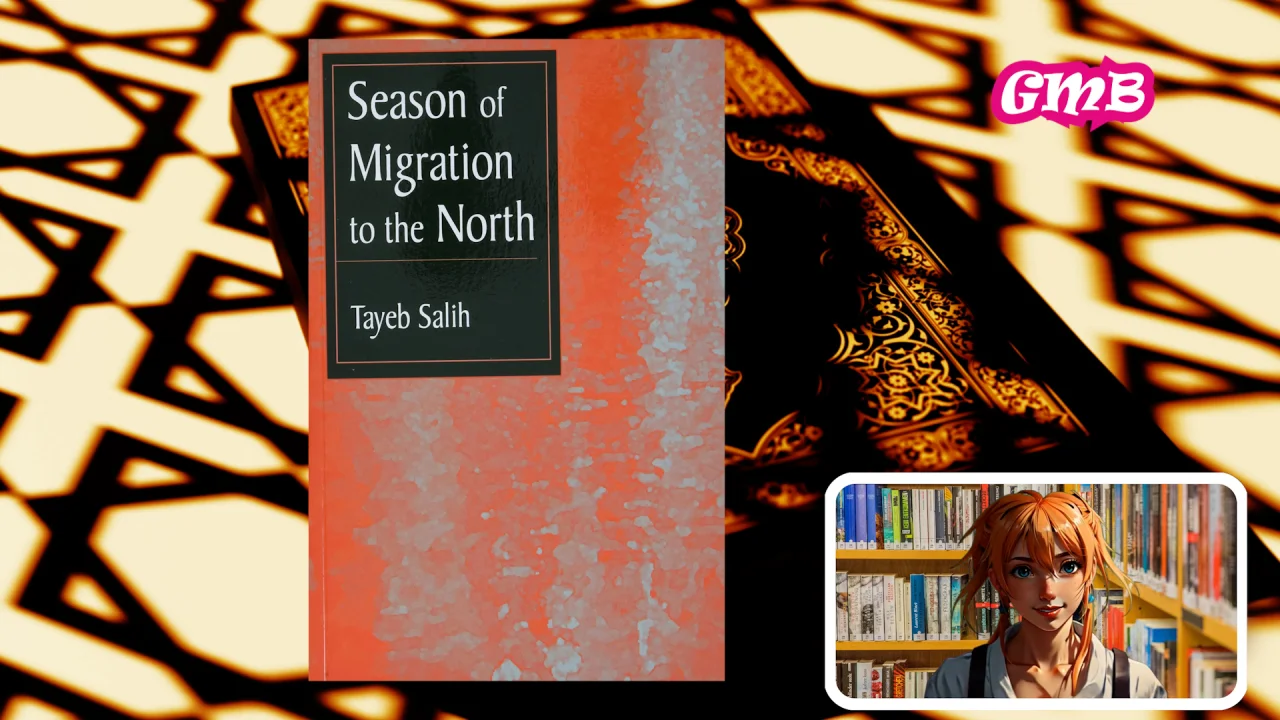
There’s a moment early in this novel where everything should feel triumphant. A man returns home after years in England—educated, polished, successful. The village celebrates him like a hero.
But one man doesn’t clap.
And for some reason, that silence feels louder than all the praise.
That’s the moment that hooked me. Not the homecoming—but the discomfort hiding underneath it. The sense that something is wrong, even when everything looks right.
What Kind of Novel Is This?
Season of Migration to the North by Tayeb Salih is a quiet but deeply unsettling literary novel about identity, power, and the psychological aftermath of colonialism.
Tone: Reflective, dark, and haunting
Pace: Moderate but layered
Themes: Identity, colonialism, masculinity, cultural conflict, freedom, tradition vs modernity
This book is for readers who:
-
Enjoy morally complex characters
-
Like fiction that leaves questions unanswered
-
Want stories that challenge ideas of identity and belonging
This book is NOT for readers who:
-
Prefer fast-paced, plot-driven stories
-
Need clear heroes and villains
-
Want easy, comforting resolutions
👉 The edition I read is available here:
https://amzn.to/4rIOOc8
Summary (Without Spoilers)
The novel follows an unnamed narrator who returns to his village in Sudan after studying in England. He expects to slip back into familiar life—but instead becomes fascinated by a quiet, enigmatic man named Mustafa Sa’eed.
Mustafa seems ordinary on the surface. A farmer. Reserved. Detached.
But one night, a crack appears.
From there, the narrator uncovers fragments of Mustafa’s past: a brilliant mind, a journey to England, and a series of intense, destructive relationships that spiral into tragedy.
What unfolds is less a linear story and more a psychological excavation—of one man’s past, and another man’s growing obsession with it.
Why This Story Matters (Emotional Core)
This isn’t really a story about Mustafa Sa’eed.
It’s a story about what happens when you try to become someone else—and succeed.
Mustafa doesn’t just go to England; he performs himself there. He becomes the version of “the exotic outsider” that the West expects. He leans into it. Weaponizes it. And in doing so, he loses whatever part of himself was real.
That idea stayed with me.
Because it raises a question the book never answers:
If the world rewards you for being a distortion of yourself… is it still a choice?
There’s also something deeply unsettling about how knowledge and education are treated here. The narrator returns home educated, admired—but what does that actually mean for the people around him? What does it change?
And then there’s Hosna.
Her story hit harder than anything else in the book. While Mustafa’s tragedy feels philosophical, hers feels brutally real. She resists a system that refuses to see her as human—and the consequences are devastating.
The novel doesn’t shout its message. It just shows you what happens—and leaves you to sit with it.
A Glimpse of the Story (No Spoilers)
A man returns home from England, hoping to reconnect with his roots.
Instead, he becomes entangled in the story of another man who made the same journey—but never truly came back.
At the center is a quiet conflict:
Can you belong to two worlds without losing yourself in both?
Who This Book Is Perfect For
You’ll enjoy this novel if:
-
You like books that explore identity and psychological tension
-
You enjoy layered, symbolic storytelling
-
You read fiction to think, not just escape
You might struggle with this book if:
-
You want a fast-moving plot
-
You need clear moral answers
-
You dislike ambiguity and open endings
👉 If this sounds like your kind of book, you can get it here:
https://amzn.to/4rIOOc8
Analysis & Review
What works incredibly well is the depth packed into such a short book. At just over 150 pages, it feels dense without being overwhelming.
The character of Mustafa Sa’eed is one of the most fascinating I’ve come across. Not because he’s likable—but because he’s so hard to pin down. He’s brilliant, manipulative, tragic, and at times, disturbingly self-aware.
The writing itself is subtle and poetic. It doesn’t explain everything—and that’s the point. You’re expected to read between the lines, to question what’s said and what’s left unsaid.
But that’s also where the book might lose some readers.
It’s not always easy to follow. The narrative shifts, the tone changes, and sometimes it feels like you’re piecing together a puzzle without all the pieces.
And emotionally, it’s heavy. There’s no comfort here. No relief. Just a slow realization of how deeply things can go wrong—on both a personal and societal level.
My Honest Verdict
This isn’t a perfect novel—but it’s an honest one.
What worked:
-
The psychological depth
-
The themes of identity and colonial tension
-
Hosna’s storyline, which felt painfully real
What didn’t:
-
Some parts feel deliberately opaque
-
It demands patience and reflection
And yet, I still recommend it.
Because books like this don’t just tell stories—they leave marks.
Final Thoughts & Recommendation
I kept thinking about that silent man at the beginning—the one who didn’t clap.
By the end of the novel, you understand why.
Season of Migration to the North isn’t trying to entertain you in the usual way. It’s trying to unsettle you. To make you question ideas of identity, belonging, and the cost of becoming someone the world wants you to be.
It’s a quiet book—but not a gentle one.
If you’re the kind of reader who doesn’t mind sitting with discomfort, who enjoys stories that linger long after the final page, this one is worth your time.
👉 If you’d like to read the same edition I did, here’s the link:
https://amzn.to/4rIOOc8
Similar Books You Might Like
-
Things Fall Apart by Chinua Achebe
-
Heart of Darkness by Joseph Conrad
Best Format to Read This Book
Paperback.
This is the kind of novel you’ll want to pause, reread passages, and sit with.