 English
 French
 German
 Russian
 中文
中文

The Night a Man Failed His Destiny
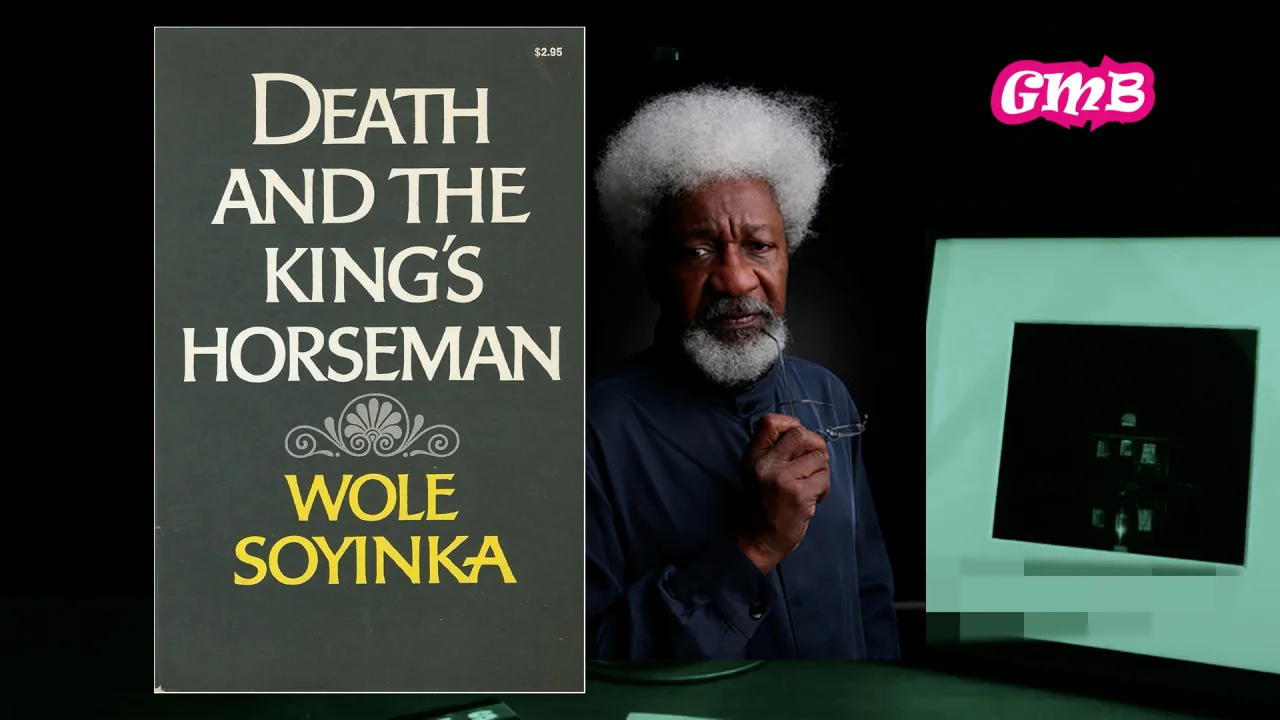
I kept thinking about a single moment while reading this play.
Imagine knowing exactly what your purpose in life is… and then failing it at the very last second.
Not because you were forced.
Not because you were weak.
But because, at the final moment, something earthly distracted you.
That’s the unsettling tension at the heart of Death and the King's Horseman by Wole Soyinka.
It’s a play that begins with celebration—music, dancing, praise-singing in a lively Yoruba marketplace—but slowly tightens into one of the most haunting tragedies in African literature.
👉 The edition I read is available here:
https://amzn.to/4oEWdq5
What Kind of Novel Is This?
This is a historical tragedy about duty, honor, and the fragile line between the sacred and the human.
Tone: reflective, tense, and deeply philosophical
Pace: moderate but steadily tightening
Themes: duty, colonialism, cultural misunderstanding, honor, sacrifice, spiritual responsibility
This book is for readers who:
-
enjoy serious literary drama
-
are interested in African traditions and philosophy
-
like stories that explore moral responsibility and cultural conflict
This book is NOT for readers who:
-
want a fast-paced plot
-
prefer simple heroes and villains
-
dislike stories that ask uncomfortable questions
👉 You can find the same edition here:
https://amzn.to/4oEWdq5
Why This Story Matters (Emotional Core)
The easiest way to misunderstand Death and the King's Horseman is to think it’s simply a story about Africans versus colonials.
It isn’t.
Even Wole Soyinka warned readers about that interpretation.
Yes, British colonial officers interfere with a sacred Yoruba ritual. Yes, their ignorance and arrogance create chaos.
But the deeper tragedy of the play lies somewhere else.
It lies in Elesin Oba, the king’s horseman.
His role is sacred. When the king dies, he must follow him into the afterlife so the cosmic order between the living, the dead, and the unborn remains intact.
This isn’t viewed as death in the ordinary sense. It’s a spiritual responsibility.
The entire community prepares for it.
They celebrate it.
They honor him for it.
And then… he hesitates.
Not because he doubts the tradition.
But because, at the very last moment, he becomes attached to something earthly—desire, pleasure, unfinished life.
That hesitation breaks the ritual.
And in Soyinka’s world, breaking that ritual isn’t just personal failure.
It threatens the balance between worlds.
What stayed with me after finishing the play was this unsettling thought:
Sometimes the greatest tragedies don’t come from enemies.
They come from our own moment of weakness.
A Glimpse of the Story (Minimal, No Spoilers)
The story takes place in the Yoruba city of Oyo during the colonial era.
When the king dies, tradition demands that Elesin Oba, the king’s horseman, follow him into the afterlife through ritual suicide.
The community prepares for the ceremony with celebration and respect. Elesin himself appears confident and proud of the duty he must fulfill.
But when British colonial authorities learn about the ritual, they intervene.
At the same time, Elesin’s own desires begin to complicate the sacred moment.
Between colonial interference and human hesitation, the ritual collapses—and the consequences ripple through the entire community.
Who This Book Is Perfect For
You’ll enjoy this novel if:
-
you like books that explore culture, philosophy, and moral responsibility
-
you enjoy serious dramatic literature
-
you read fiction to think about society and history
You might struggle with this book if:
-
you prefer fast-paced thrillers
-
you need clear moral heroes and villains
-
you dislike stories rooted in cultural traditions unfamiliar to you
👉 If this sounds like your kind of book, you can get it here:
https://amzn.to/4oEWdq5
My Honest Verdict
This isn’t a perfect play.
But it’s a powerful one.
What works incredibly well is Soyinka’s psychological depth. The characters don’t feel symbolic or abstract. Elesin feels painfully human—honorable, proud, but also flawed.
The dialogue is rich with metaphor, folklore, and Yoruba philosophy. At times it feels almost musical.
Another strength is the character of Olunde, Elesin’s son. His presence adds one of the most striking reversals in the entire story and forces readers to reconsider the meaning of sacrifice, duty, and cultural loyalty.
What might challenge some readers is the language and pacing. Like many stage plays, the story unfolds through dialogue and symbolism rather than action.
But once the themes begin to click, the weight of the story becomes undeniable.
This isn’t a comfortable read.
But it’s an unforgettable one.
Final Thoughts & Recommendation
In the end, Death and the King's Horseman isn’t really about colonialism.
It’s about responsibility.
It asks a question that feels surprisingly modern:
What happens when someone entrusted with a sacred duty fails at the most critical moment?
Elesin’s tragedy isn’t simply that he dies.
It’s that he misses the moment when his life had meaning.
And that idea—that a single moment can define a lifetime—is what makes Soyinka’s play linger in your mind long after the final page.
If you’re interested in African literature, philosophy, or powerful tragic drama, this is one of those short works that carries enormous weight.
👉 If you’d like to read the same edition I did, here’s the link:
https://amzn.to/4oEWdq5
Similar Books You Might Like
-
Things Fall Apart by Chinua Achebe
Both explore African society, tradition, and the tensions introduced by colonial influence.
Best Format to Read This Book
Paperback.
Since the play is only about 70–80 pages, reading it in physical format helps you slow down and appreciate the rhythm of the dialogue and stage imagery.