 English
 French
 German
 Russian
 中文
中文

The Dangerous Charm of First Impressions
Two Saturdays ago, I lost control.
I walked into a bookstore telling myself I would “just browse.” I walked out with twenty-three novels. Twenty-three. That’s not browsing — that’s a cry for help disguised as literary enthusiasm.
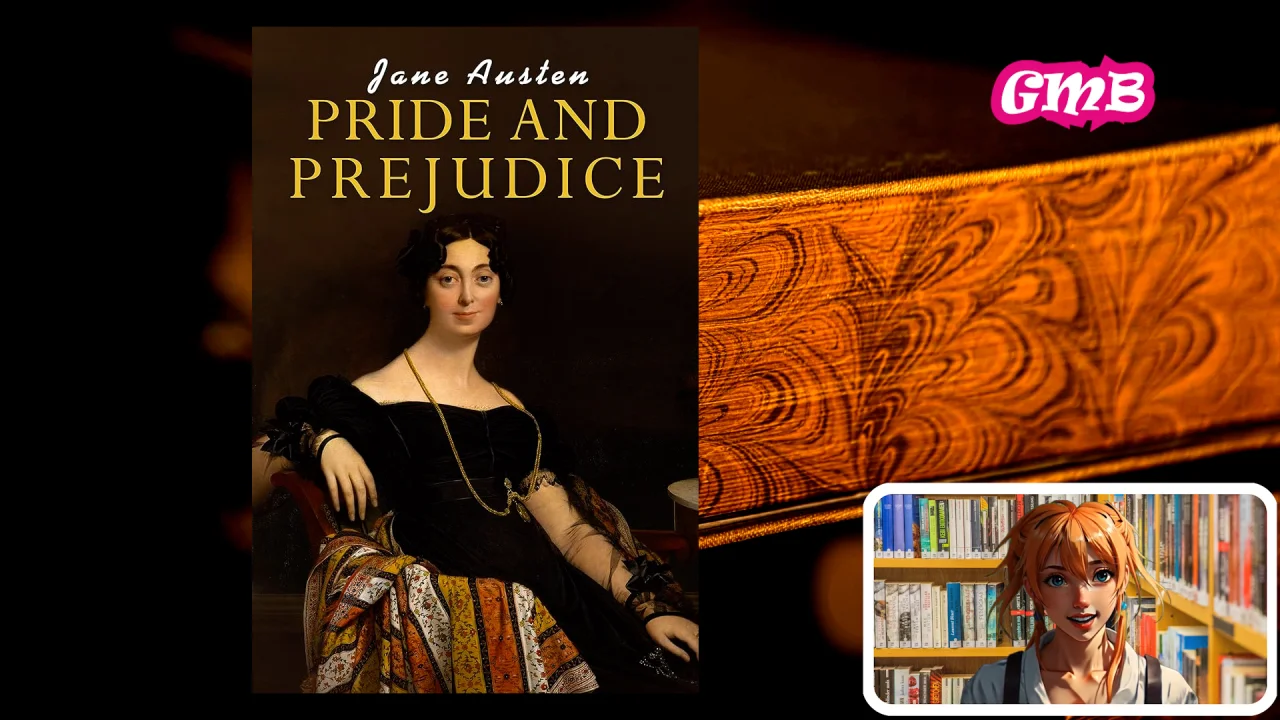
This particular book was somewhere in the middle of that stack. I didn’t expect it to surprise me. After all, it’s one of the most talked-about English classics ever written. People quote it. Professors assign it. Romance lovers worship it.
But what I didn’t expect was how personal it would feel — how modern the emotional tension would seem beneath all those 19th-century manners.
And I certainly didn’t expect to find myself rolling my eyes at a fictional man from 1813.
What Kind of Novel Is This?
This is a romantic social satire about pride, prejudice, and the dangerous ease of misjudging people.
Tone: witty, observant, quietly sharp
Pace: moderate and conversational
Themes: class, marriage, gender expectations, transformation, humility, self-awareness
This book is for readers who:
-
Enjoy character-driven stories over explosive plots
-
Love slow-burn romance with intellectual tension
-
Appreciate sharp dialogue and social commentary
This book is NOT for readers who:
-
Need constant action
-
Prefer clear-cut villains
-
Struggle with 19th-century prose
👉 The edition I read is available here:
Pride and Prejudice by Jane Austen (Paperback Edition)
Why This Story Matters (Emotional Core)
At its heart, this novel asks a question that still stings today:
How often are we wrong about people?
Elizabeth Bennet thinks she has Mr. Darcy figured out within minutes. He’s proud. Arrogant. Socially stiff. Probably incapable of joy.
Darcy thinks he understands Elizabeth too. She’s beneath him socially. Interesting, perhaps — but unsuitable.
They are both intelligent. Both observant. Both wrong.
What stayed with me after finishing this novel wasn’t the romance — it was the humility. Watching two strong-willed individuals slowly confront their own flaws felt surprisingly intimate. Growth in this novel isn’t dramatic; it’s internal. It’s uncomfortable. It requires swallowing pride.
And that’s rare.
We live in a time where people double down on first impressions. We rarely revisit our judgments. But this story quietly insists that transformation is possible — not through grand gestures, but through self-awareness.
It also shines a bright light on the pressure women faced — and in many ways still face — to marry for security rather than love. Charlotte Lucas marrying Mr. Collins without affection is not a romantic choice. It’s a survival strategy.
That tension still exists. Security versus passion. Stability versus self-respect.
This book refuses to give us a simplistic answer.
A Glimpse of the Story (No Spoilers)
In early 19th-century Hertfordshire, five sisters live under the constant pressure of securing advantageous marriages.
When a wealthy bachelor, Mr. Bingley, moves into the neighborhood, excitement erupts. His reserved friend, Mr. Darcy, follows — and immediately offends nearly everyone.
Meanwhile, charming Mr. Wickham enters the picture with a story that complicates everything.
The situation? A society obsessed with marriage.
The conflict? Pride colliding with prejudice.
The dilemma? Choosing between appearance and truth.
That’s all I’ll say.
The Society Behind the Romance
One of the most fascinating aspects of Pride and Prejudice is how sharply it observes its society.
The backdrop includes the Napoleonic wars, but the real battlefield is social standing.
Darcy earns “ten thousand pounds a year” and owns the magnificent Pemberley estate. That kind of wealth doesn’t just buy comfort — it buys influence, admiration, and silence.
Yet the novel quietly dismantles the idea that wealth equals virtue.
Then there’s Mrs. Bennet — perhaps one of the most infuriating mothers in literature. Her desperation to marry off her daughters is both comedic and tragic. She understands something terrifyingly practical: once her husband dies, their home may no longer belong to them.
Her famous line sets the tone:
“It is a truth universally acknowledged, that a single man in possession of a good fortune, must be in want of a wife.”
It’s witty. But it’s also revealing.
Marriage here isn’t just romance. It’s economics.
And that’s what makes the story sharper than a simple love tale.
Who This Book Is Perfect For
You’ll enjoy this novel if:
-
You like books that explore character growth more than plot twists
-
You enjoy witty social commentary
-
You read fiction to reflect, not just escape
You might struggle with this book if:
-
You prefer fast-paced, high-stakes drama
-
You need constant external conflict
-
You dislike older sentence structures
👉 If this sounds like your kind of book, you can find the edition here:
Pride and Prejudice – Paperback Version
My Honest Verdict
This isn’t a perfect novel — but it’s an honest one.
At times, I had to stretch my imagination to keep up with the 19th-century language and subtle social cues. Some sections felt slower than I’m used to.
But the character development? Impressive.
Darcy’s transformation from proud and socially rigid to reflective and humble feels earned. Elizabeth’s refusal to settle — her insistence on choice — feels quietly revolutionary.
I didn’t love every character (Mrs. Bennet and Mr. Collins tested my patience repeatedly), but perhaps that’s part of Austen’s brilliance. She writes people, not caricatures.
And people are rarely convenient.
Similar Books You Might Like
If you enjoyed this, you might also consider:
-
Jude the Obscure by Thomas Hardy – darker, more tragic, but equally sharp in social critique.
Best Format to Read This Book
I recommend paperback for first-time readers. The physical pauses — the commas, the semicolons — guide the rhythm beautifully. When read slowly and properly punctuated, Austen’s prose almost feels conversational.
Final Thoughts & Recommendation
What surprised me most about this novel wasn’t the romance.
It was the humility.
The realization that intelligence does not protect us from prejudice. That pride often hides insecurity. That growth requires embarrassment.
If you’ve been intimidated by English classics, this is a gentle but thought-provoking place to begin. It’s witty without being heavy. Romantic without being shallow. Critical without being cynical.
And if you’re like me — trying to read 100 novels and only fourteen percent through — this one is worth including in your journey.
👉 If you’d like to read the same edition I did, here’s the link:
Pride and Prejudice by Jane Austen
Happy reading.