 English
 French
 German
 Russian
 中文
中文
Opening Spaces: Contemporary African Women's Writing – A Fierce Anthology You Can’t Ignore
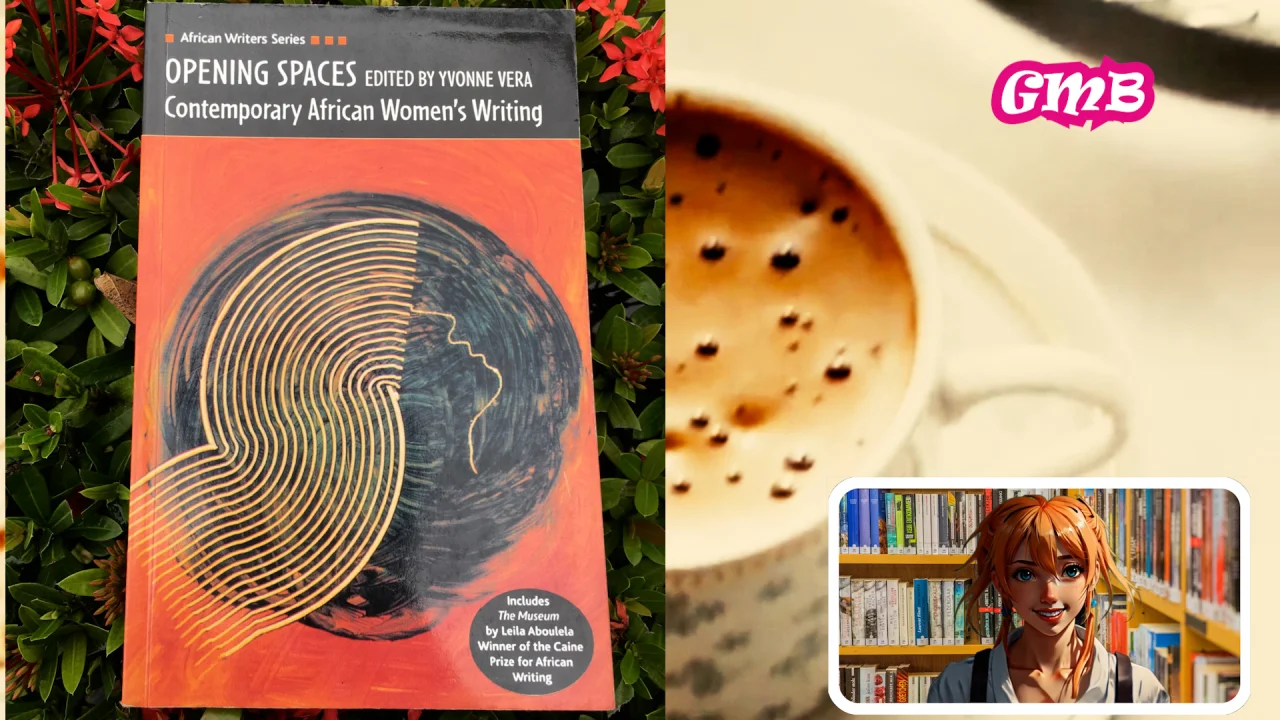
Have you ever read a book where, by the third story, you start glancing around suspiciously, wondering if every man in the world suddenly became the villain? That’s exactly the feeling I got reading Opening Spaces: Contemporary African Women’s Writing—until it wasn’t. This anthology shocks, it burns, and then, when you least expect it, it lands softly, leaving you breathless. Edited by the late, extraordinary Yvonne Vera, this collection is raw, bold, and unapologetically honest.
From the very first story, you know this isn’t going to be a gentle ride. Take Ghanaian writer Ama Ata Aidoo’s “The Girl Who Can,” which follows young Adjoa—a girl whose legs are deemed “too skinny” by her grandmother to be useful to society:
“But Adjoa has legs,” Nana would insist; “except that they are too thin. And also too long for a woman. Kaya, listen. Once in a while…somebody gets born without arms, or legs, or both sets of limbs…But if any female child decides to come into this world with legs, then they might as well be legs.” (Page 9)
Thankfully, Adjoa gets to prove her worth—not in the classroom, but on the athletic field. It’s a charming, piercing start that sets the tone for the collection: strength, resilience, and the subversion of expectation.
Then we meet Mrs. Ncube and her circle in Melissa Tandiwe Myambo’s “Deciduous Gazettes,” a story that unflinchingly explores the rage and frustration of women trapped in polygamous marriages:
“She picks up the telephone table and smashes it into the television screen…She drags the chair into the kitchen and hurls it into the stove.” (Page 34)
This visceral imagery captures the raw anger of women fighting against patriarchal oppression—a house of mirrors where every reflection is distorted by societal norms.
Leila Aboulela’s “The Museum” takes us to Scotland, where Shadia, a Sudanese student, visits a museum expecting pride but finds instead colonial relics that erase her Africa:
“This was the first time…that we have really been in Africa – the real Africa of Jungle inhabited only by game…”
It’s a quiet horror that lingers: identity, culture, and history distorted across continents.
Farida Karodia’s “The Red Velvet Dress” delivers one of the most haunting stories. Katrina comes home after 25 years in prison for killing the man who molested her—believing him to be her father. The twist? He wasn’t. The betrayal is staggering, the grief tangible, yet the story refuses to let you look away.
And then there’s Norma Kitson’s “Uncle Bunty,” which proves that some women, even late in life, can reclaim their agency:
“…at age 81, she got her divorce from Uncle Bunty and lives very happily now in her flat overlooking the Durban beachfront and goes to America whenever she feels like it.” (Page 65)
It’s a reminder that freedom and empowerment often arrive quietly, with a suitcase and a passport.
Sindiwe Magona’s “A State of Outrage” confronts AIDS stigma, showing the cruelty of neighbors and the strength of communal resistance. Monde Sifuniso’s “Night Thoughts” turns to political power and corruption, depicting a newly crowned litunga who morphs into a dictator—a chilling reflection of recurring societal patterns.
Finally, Milly Jafta’s “The Home-Coming” offers a gentle, dignified closure: a woman returns home from abroad to reconnect with her daughter, discovering the subtle power of forgiveness. It’s the soft landing this fiery collection deserves.
What Makes This Anthology Important
Published by Heinemann’s African Writers Series in 1999 and edited by Zimbabwean literary icon Yvonne Vera, this collection pushes boundaries. Vera’s own life—tragically cut short by AIDS at 40—mirrors the urgency and intensity of the stories she curated.
The first half of the anthology leans heavily on trauma, betrayal, and patriarchal oppression. By the fourth or fifth story, the repetition of “bad men” and “broken homes” may feel overwhelming. But then, the second half brings variety—political satire, diaspora identity, community resilience, and even some dry humor—redeeming the experience. Standouts like The Red Velvet Dress and Night Thoughts lift the anthology, while The Museum adds nuance to conversations about diaspora and cultural identity.
Themes Explored
-
Polygamy & Patriarchy – Women navigating oppressive cultural systems; from Mrs. Ncube’s fury to Auntie Betty’s late-life escape.
-
Sexual Violence & Silence – Incest, rape, and trauma confronted head-on, breaking long-held societal taboos.
-
Identity & Diaspora – Being African is as much about memory and perception as it is geography.
-
Women’s Agency – Empowerment isn’t always loud; sometimes it’s a sigh, a chair thrown, or a plane ticket booked.
-
African Feminism – Grounded, raw, and lived, not imported.
Who Should Read This
This is not a beach read or a quick escape. If you want literature that challenges you, opens your mind, and refuses to let you look away, Opening Spaces is for you. With contributions from 11 African countries, it’s a rare, unapologetic anthology that celebrates women’s voices in all their complexity.
You might struggle with it if you prefer light, linear narratives or clear heroes and villains—here, the stories are messy, the themes intense, and the endings often quietly devastating.
My Verdict
Opening Spaces isn’t perfect. Some stories echo each other. Some narratives are hard to digest. But that’s precisely why it matters. It’s bold, uncompromising, and alive with African women’s experiences. It makes you think, rage, empathize, and—ultimately—admire the resilience embedded in these pages.
If you’re ready for raw, unfiltered African storytelling, this anthology deserves a spot on your shelf.
👉 Grab your copy here: Opening Spaces: Contemporary African Women’s Writing on Amazon
Have you read this collection, or are you planning to? Which story do you think will hit you the hardest? Share your thoughts in the comments below—because these are the stories that stay with us long after we close the cover.