 English
 French
 German
 Russian
 中文
中文

A Bend in the River Is Not a Place You Want to Settle
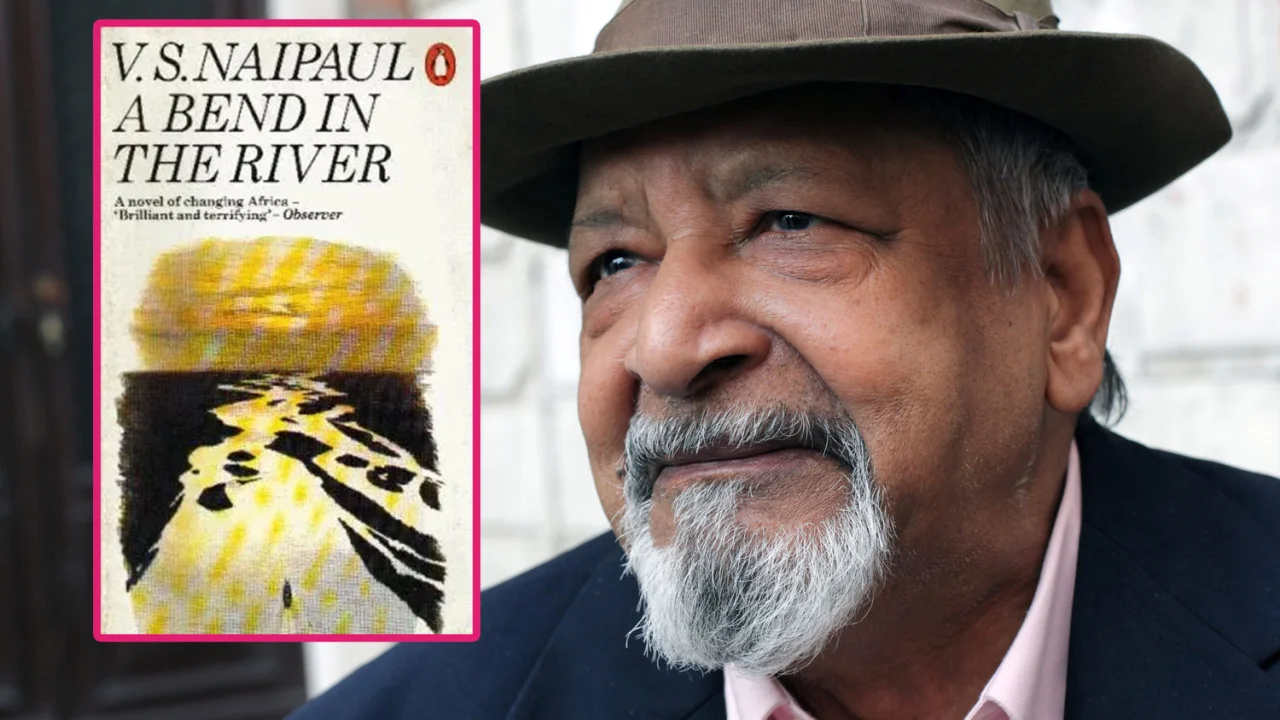
There’s something calming about a river. The slow movement. The illusion of direction. You think everything flows somewhere meaningful.
And then you reach the bend.
That’s where A Bend in the River left me—staring at calm water while sensing disaster just out of sight. The kind of book that looks quiet on the surface but is rotting underneath. Peaceful, reflective… and quietly brutal.
This is not a story that unfolds with drama and fireworks. It erodes. Slowly. Relentlessly. Like history itself.
What Kind of Novel Is This?
A Bend in the River is a post-colonial psychological novel about displacement, power, and the illusion of stability.
Tone: Grim, detached, quietly cynical
Pace: Slow and deliberate
Themes:
-
Post-independence disillusionment
-
Identity without belonging
-
Power, corruption, and decay
-
Moral emptiness
-
Outsiders watching societies collapse
This book is for readers who:
-
Enjoy uncomfortable narrators
-
Like novels that observe rather than entertain
-
Are interested in post-colonial African politics and psychology
This book is not for readers who:
-
Want hopeful resolutions
-
Prefer plot-driven storytelling
-
Need likable protagonists
👉 The edition I read is available here:
A Bend in the River by V.S. Naipaul (Paperback)
A Glimpse of the Story (No Spoilers)
Salim, the narrator, comes from “the Coast”—a deliberately vague place along the Indian Ocean. He moves inland to an unnamed town at a bend in the river, widely understood to resemble Kisangani in what is now the Democratic Republic of Congo.
His plan is simple: set up a shop, make money, and live quietly.
The country has just gained independence. There’s optimism in the air. Flags are waving. The future looks promising.
It doesn’t last.
What Salim walks into is a nation slowly unraveling under the rule of the “Big Man”—a thinly veiled Mobutu Sese Seko—where decrees replace logic, loyalty matters more than law, and chaos becomes routine.
The town shifts between moments of prosperity and sudden emptiness. People flee. Businesses collapse. Morality loosens. Meaning evaporates.
And Salim watches it all—from the inside, but never truly belonging.
Why This Story Matters (The Emotional Core)
This novel isn’t really about Salim’s shop, or even the town.
It’s about what happens after the colonizers leave—and the silence that follows.
Naipaul isn’t interested in celebrating independence. He’s interested in what fills the vacuum afterward: confusion, imitation, corruption, and a deep sense of loss. Institutions exist, but they’re hollow. Power exists, but it’s theatrical. Hope exists, but briefly.
Salim himself is not a hero. He judges constantly. He feels superior. He exploits when convenient. His relationships—especially his violent, disturbing affair with Yvette—reveal his emotional emptiness as much as the country’s collapse.
And yet, he survives.
That’s the most unsettling part.
The line that stayed with me comes from Ferdinand, a local character who understands the situation far better than Salim ever does:
“We’re all going to hell, and every man knows this in his bones. We’re being killed. Nothing has any meaning.”
That’s the book’s thesis. Not shouted. Just stated.
What Didn’t Work for Me
Naipaul’s biggest flaw here is his flattening of African identity. Characters are frequently reduced to “Africans” as a single mass—culture, ethnicity, and history blurred into one indistinct group.
Africa becomes a symbol rather than a place.
That choice weakens the novel’s credibility and reinforces the very distance Salim claims to suffer from.
The pacing also won’t work for everyone. This isn’t a story with rising tension and resolution. It’s a long, introspective monologue—more diary than drama. If you’re waiting for a turning point, you’ll be waiting a long time.
Who This Book Is Perfect For
You’ll enjoy A Bend in the River if:
-
You like novels that linger in discomfort
-
You enjoy morally compromised narrators
-
You read fiction to think, not escape
You might struggle with this book if:
-
You prefer fast-paced plots
-
You need emotional warmth
-
You dislike bleak worldviews
👉 If this sounds like your kind of book, you can get it here:
A Bend in the River by V.S. Naipaul (Kindle Edition)
My Honest Verdict
This isn’t a perfect novel.
It’s cold. It’s pessimistic. And at times, it’s unfair.
But it’s also honest in a way few novels dare to be.
Naipaul doesn’t offer solutions. He doesn’t soften the collapse. He simply watches—and forces you to watch with him.
I didn’t always enjoy this book.
But I couldn’t shake it either.
👉 You can check the same edition I read here:
A Bend in the River – Paperback
Final Thoughts
A Bend in the River is a novel about standing still while the world decays around you—and realizing that survival doesn’t equal innocence.
It’s about living at the edge of history, watching power rot, and mistaking observation for wisdom.
And maybe that’s the warning buried in its pages:
When you reach a bend in the river, don’t settle.
Keep paddling.
👉 If you’d like to read it yourself, here’s the link:
A Bend in the River by V.S. Naipaul
Optional: Best Format to Read This Book
Paperback or Kindle.
The prose is dense and reflective—best read slowly, with the ability to pause and think.