 English
 French
 German
 Russian
 中文
中文

When Your Imagination Betrays You: A Quietly Brilliant (and Misleading) Austen Novel
Expecting Mystery, Finding… Manners
I went into Northanger Abbey expecting shadows.
Not literal ones, but the kind you feel when a story promises secrets—hidden rooms, whispered scandals, maybe even something sinister lurking behind polite smiles. Instead, I found myself in drawing rooms, listening to conversations about weather, etiquette, and who might marry whom.
And strangely… that was the point.
Written by Jane Austen, Northanger Abbey isn’t trying to scare you. It’s gently laughing at you—especially if you, like Catherine Morland, have ever let your imagination run just a little too far ahead of reality.
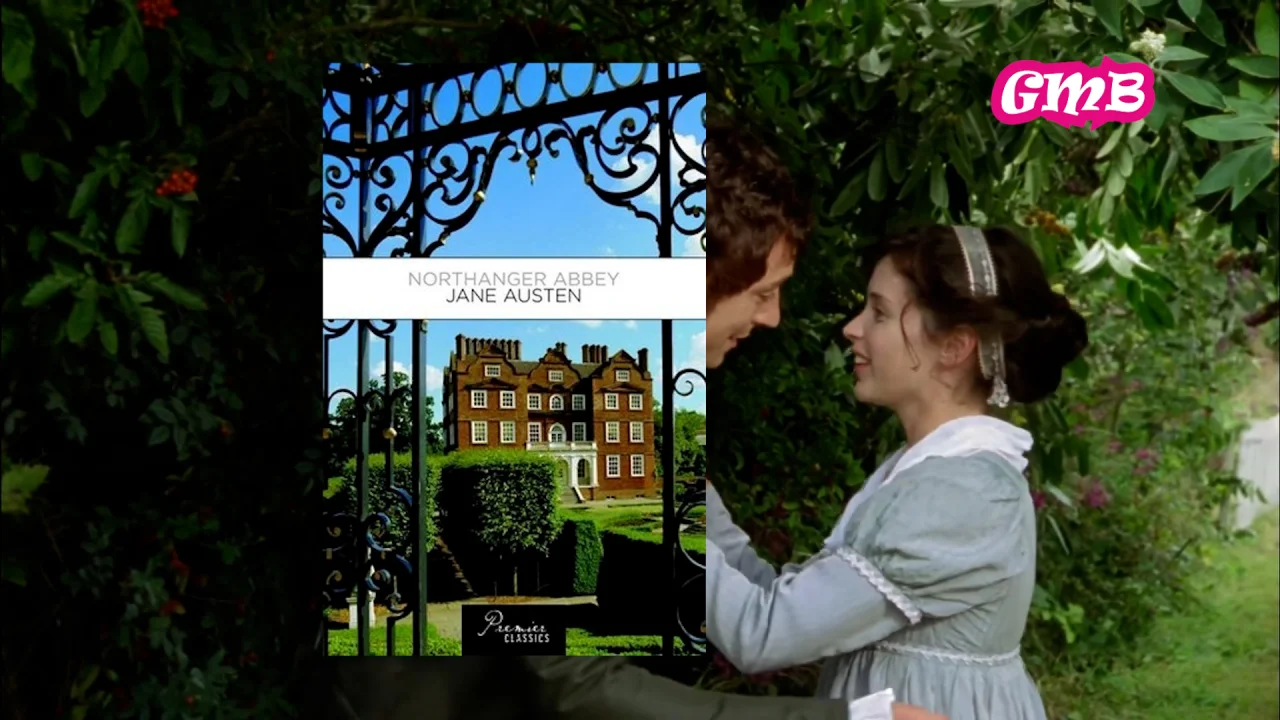
👉 The edition I read is available here:
https://amzn.to/48sGINo
Summary: A Story About Growing Out of Illusions
At the center of the novel is Catherine Morland, a young, naïve girl with a deep love for Gothic fiction—those dramatic tales filled with haunted castles, dark secrets, and brooding villains.
When she’s invited to the bustling social hub of Bath, her world expands quickly. She meets charming and witty Henry Tilney, his kind sister Eleanor, and the far less trustworthy Isabella and John Thorpe.
From there, Catherine is pulled into the rhythm of Regency society: dances, polite conversations, and subtle social maneuvering. But her imagination refuses to stay quiet.
So when she’s invited to stay at Northanger Abbey, she’s convinced she’s finally stepped into one of her beloved Gothic novels.
She hasn’t.
What she finds instead is something quieter—but arguably more unsettling: real people, real motives, and the slow realization that not every mystery is dramatic… but many are deeply human.
Analysis & Review: A Novel That Tricks You Before It Teaches You
What struck me most about Northanger Abbey is how cleverly it plays with expectation.
Austen builds Catherine as someone we recognize immediately—a reader who consumes stories so intensely that she begins to see the world through them. And if you’ve ever done that (imagined worst-case scenarios, romanticized reality, or misread people entirely), then Catherine feels uncomfortably familiar.
What Works
The strongest part of the novel is its theme: imagination versus reality.
Catherine’s belief that life should mirror Gothic fiction is both funny and revealing. Austen uses this to quietly show how easy it is to misunderstand people—not because they’re mysterious, but because we project stories onto them.
There’s also Austen’s signature wit. It’s softer here than in Pride and Prejudice, but still sharp enough to land. Her commentary on marriage, class, and social ambition feels almost sarcastic at times—especially in how characters like Isabella behave.
And then there’s Catherine’s growth. It’s subtle, but meaningful. She doesn’t become brilliant or rebellious—she simply becomes more aware. More grounded. More real.
What Didn’t Quite Work (For Me)
I’ll be honest: this book didn’t fully click for me.
Part of it might be expectation. Coming from Pride and Prejudice, I expected the same spark—the same energy in every line. Northanger Abbey feels quieter, more restrained.
Catherine, while relatable, isn’t as compelling as Elizabeth Bennet. Her innocence is the point, but it also makes parts of the story feel slower or less engaging.
And the Gothic parody, while clever, didn’t always hit as strongly as I expected. Sometimes it felt more like a gentle joke than a sharp satire.
Still, I wouldn’t call this a weak novel—just a different kind of Austen.
Conclusion & Recommendation: Who Should Read This?
Northanger Abbey is for a very specific kind of reader.
You’ll enjoy this novel if:
-
You like stories about self-awareness and personal growth
-
You enjoy subtle humor and social observation
-
You’ve ever been caught between imagination and reality
You might struggle with it if:
-
You prefer fast-paced plots or dramatic twists
-
You’re expecting another Pride and Prejudice
-
You need bold, unforgettable protagonists
👉 If this sounds like your kind of book, you can find it here:
https://amzn.to/48sGINo
Final Thoughts: A Story That Quietly Stays With You
This isn’t the kind of book that overwhelms you while you’re reading it.
It’s the kind that lingers afterward.
What stayed with me wasn’t the plot—it was the realization that we all, in some way, do what Catherine does. We assume. We imagine. We turn ordinary people into characters in stories we’ve already written in our heads.
And sometimes, we’re completely wrong.
Northanger Abbey may not be Austen’s most dazzling work, but it’s an honest one. A reflective one. And maybe even a necessary one—especially in a world where it’s easier than ever to mistake illusion for reality.
👉 If you’d like to read the same edition I did, here’s the link:
https://amzn.to/48sGINo