 English
 French
 German
 Russian
 中文
中文

The Kite Runner: A Story of Betrayal, Redemption, and Kites
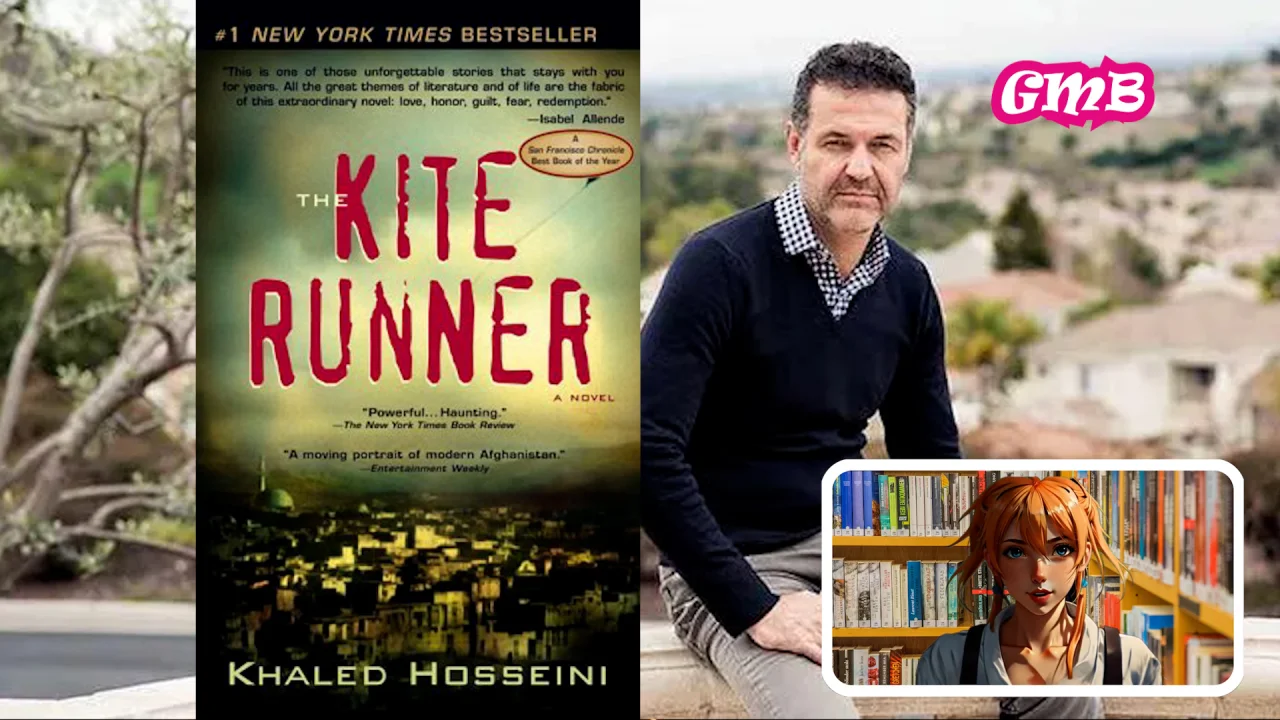
Have you ever woken up one morning, looked around your city, and thought, “Yep. This could totally spiral into chaos tomorrow”? That uneasy feeling—the one where you suspect that even the most familiar places might hide untold stories—was exactly what hit me as I opened The Kite Runner.
Imagine a quiet neighborhood in Kabul, a city once alive with laughter, fragrant chai, and the thrill of kite strings slicing through winter skies. In this world, Amir grows up—a privileged Pashtun boy, son of the larger-than-life Baba, a man whose very presence demands respect. Amir’s childhood is comfortable, framed by books, kite tournaments, and the companionship of Hassan, the loyal, fearless Hazara boy who’s also the son of Baba’s servant, Ali.
But this friendship is complicated. Hassan loves Amir “a thousand times over,” yet Amir hesitates to fully embrace that loyalty. The social hierarchies of Kabul—the invisible yet unyielding weight of ethnicity and tradition—cast shadows over their bond. And when Amir witnesses Hassan being assaulted, a moment that should define heroism, he freezes. That haunting admission, “He was just a Hazara, wasn’t he?”—echoes long after you turn the page.
What Kind of Novel Is This?
The Kite Runner is a reflective, emotionally charged novel about guilt, redemption, and the impact of social injustice.
-
Tone: Dark, introspective, and quietly powerful
-
Pace: Moderate, with moments of tension that grip the heart
-
Themes: Betrayal, loyalty, guilt, ethnic tension, the loss of innocence, and redemption
This book is for readers who:
-
Love emotionally complex characters
-
Appreciate stories that tackle cultural and historical realities
-
Want to be moved, challenged, and unsettled
This book is NOT for readers who:
-
Prefer fast-paced, plot-driven thrillers
-
Need clear-cut heroes and villains
-
Dislike open-ended moral dilemmas
👉 You can find the edition I read here: The Kite Runner on Amazon
Why This Story Matters
The Kite Runner isn’t just a story of childhood friendship or war-torn Afghanistan. It’s about the personal costs of societal injustice, about how loyalty and betrayal can shape lives—and the enduring power of guilt to drive a man to seek redemption.
Amir’s journey from a privileged but cowardly boy to a guilt-ridden adult seeking to “be good again” is painfully real. The novel doesn’t just recount historical events—it immerses you in the human consequences of them. The fall of Afghanistan from a peaceful monarchy to Taliban rule, the Russian invasion, and the chaos of foreign interventions form the backdrop of an intensely personal story, making every act, every betrayal, every triumph, feel larger than life.
Hosseini forces us to ask: Can one right the wrongs of a lifetime? Can love and loyalty transcend cultural barriers, guilt, and even death? These are questions that stay with you long after the last page.
A Glimpse of the Story
Amir and Hassan grow up together, almost inseparable yet unequal. A kite tournament ignites a chain of events that fractures their friendship and sets Amir on a path of guilt and redemption. Years later, Afghanistan is in turmoil. Amir flees to America, becomes a writer, and lives a life that can’t outrun the shadows of his past. A phone call from an old friend offers him a chance to make amends—but the road back is perilous, haunted by the very figures who once shaped his childhood.
Who This Book Is Perfect For
You’ll enjoy The Kite Runner if:
-
You love novels that explore human complexity and moral ambiguity
-
You’re drawn to stories with rich cultural and historical depth
-
You read fiction to feel, reflect, and question
You might struggle with this book if:
-
You prefer clear-cut plots with neat resolutions
-
You dislike confronting uncomfortable truths about human nature
-
You want a fast-paced, action-driven narrative
👉 Get your copy here: Buy The Kite Runner on Amazon
My Honest Verdict
This novel is emotionally relentless. Hosseini’s writing is clean and direct—never flashy, never indulgent—but it lingers, much like the guilt that follows Amir. The characters aren’t perfect. Amir is flawed, selfish, and deeply human. Hassan is noble, loyal, and heartbreakingly generous. Together, they navigate a world scarred by ethnicity, war, and moral compromise.
The novel’s shift from Kabul to California is seamless, underscoring the contrast between a lost childhood and the struggles of immigrant life. Hosseini’s portrayal of Afghanistan is vivid and haunting—the joy of kite tournaments and the horror of Taliban rule exist side by side, never sanitized for comfort.
About the Author
Khaled Hosseini was born in Kabul in 1965 and moved to the U.S. in 1980. A former practicing physician, he burst onto the literary scene with The Kite Runner in 2003, followed by A Thousand Splendid Suns and And the Mountains Echoed. His works are known for their emotional depth, historical context, and unflinching exploration of Afghan society.
The Kite Runner was the first widely published Afghan novel in English, offering readers an intimate window into a country often reduced to headlines. It’s a story that’s as universal as it is specific—a tale of guilt, loyalty, and the hope that one can make things right.
Final Thoughts
If you haven’t read The Kite Runner, do yourself a favor and pick it up. Amir’s journey is unforgettable, heartbreaking, and ultimately redemptive. This isn’t just a book about Afghanistan—it’s about humanity, about the things we carry, the mistakes we make, and the courage it takes to face them.
For you, a thousand times over, read it.
👉 Grab your copy here: The Kite Runner – Amazon