 English
 French
 German
 Russian
 中文
中文

A Revolutionary Comedy of Errors: Underground People by Lewis Nkosi
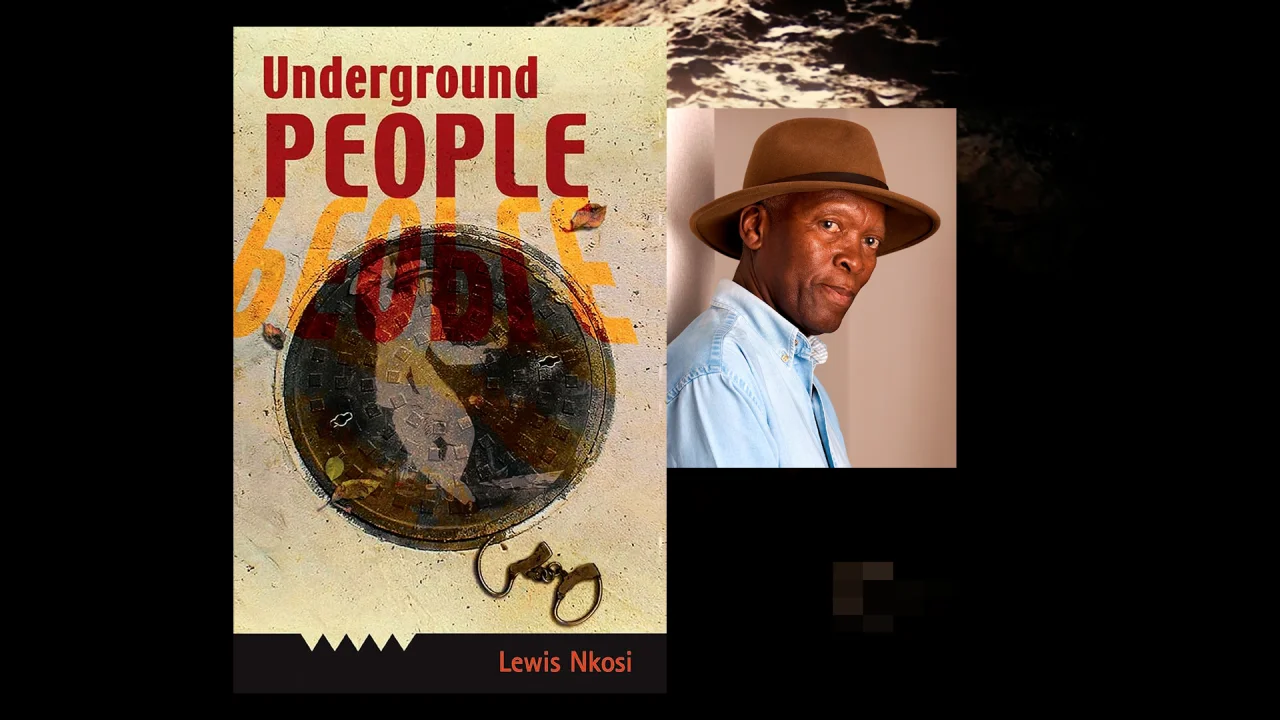
Have you ever met someone so ordinary, so seemingly harmless, that you’d never suspect them of changing history? That’s exactly the kind of man we meet in Underground People. Cornelius Molapo is a schoolteacher, a poet, a jitterbug dancer, a cricket fanatic—and, quite by accident, a revolutionary.
Yes, it sounds like the start of a bad joke or an African take on Forrest Gump. But in Lewis Nkosi’s hands, it becomes a story that’s tragic and funny, tense and unforgettable. Cornelius isn’t born a hero. He doesn’t even aspire to be one. He’s just trying to live his life in Johannesburg, until circumstances—one misstep, one misunderstanding—force him into the heart of South Africa’s liberation struggle.
What Kind of Novel Is This?
This is a satirical, politically charged novel about identity, sacrifice, and the absurdities of apartheid-era South Africa.
Tone: Fast-paced, humorous, yet deeply reflective
Pace: Moderate to fast, with a slow-burning tension that grips you page by page
Themes: Transformation, identity, revolution, betrayal, humor amidst suffering
This book is for readers who:
-
Enjoy African literature that’s both witty and insightful
-
Want to experience revolution from the inside, through the eyes of ordinary people
This book is NOT for readers who:
-
Prefer slow-moving domestic dramas
-
Need clear-cut heroes and villains
-
Dislike open-ended or morally complex stories
👉 The edition I read is available here: Underground People on Amazon
Why This Story Matters
At first glance, Cornelius Molapo seems laughably unfit for revolution. He attends NLM meetings mostly for the snacks and wields a blackboard marker as his deadliest weapon. But as he is thrust into the mountains of Tabanyane, witnessing oppression firsthand, he undergoes a profound transformation.
Nkosi captures the psychological evolution of a man who must reconcile his urban, intellectual upbringing with the gritty reality of guerrilla warfare. Humor is never absent, even in the darkest moments. Villains like Sekala Seeiso are terrifying, yet described with a comedic touch that highlights absurdity as much as danger:
“Try to imagine a monster six-foot-ten, with a face like a train locomotive… When he makes a joke he smiles so hard that his eyes seem to close up and vanish, bringing to perfection his exceptional ugliness!”
Cornelius’s journey is not just about fighting oppression—it’s about becoming a part of the struggle, understanding its human cost, and questioning what it means to be “native,” “urban,” or “revolutionary.”
A Glimpse of the Story
Cornelius is sent to Tabanyane to lead the local resistance. There, he encounters treacherous terrain, a self-declared king who’s both hilarious and terrifying, and comrades who live under constant threat. Outside the mountains, international observers like Anthony Ferguson arrive, highlighting the contrast between the revolutionary frontlines and the world of NGOs.
Nkosi blends suspense, comedy, and political insight effortlessly. We laugh at human folly, we fear for lives at risk, and we marvel at how ordinary people rise to extraordinary circumstances.
What Makes This Book Stand Out
Unlike many apartheid-era novels where the struggle is a backdrop, in Underground People, the revolution is front and center. Every scene pulses with urgency, every character embodies the tensions of the era. Nkosi’s prose is sharp and beautiful—each sentence propelling the story forward without sacrificing depth.
The novel balances war, comedy, and intimate character study with a rare finesse. By the time you reach the end, you feel as if you’ve lived alongside Cornelius, sharing his fears, his laughter, and his awakening.
Themes & Analysis
Lewis Nkosi gives readers rich ground for reflection:
-
Transformation: Cornelius’s evolution from city intellectual to guerrilla fighter mirrors the psychological rebirth forced upon many during the struggle.
-
Satire and Suffering: Humor is used as a tool to expose the absurdity of apartheid, cutting deeply without becoming preachy.
-
Identity: The novel explores what it truly means to belong—to a place, to a people, and to a movement.
-
Sacrifice and Betrayal: Revolution is messy. Nkosi does not shy away from depicting internal fractures that hurt more than bullets.
The result is a book that is simultaneously a thriller, a war diary, a comedy, and a love letter to resilience.
About the Author
Lewis Nkosi (1936–2010) was a novelist, playwright, literary critic, and scholar. He began at Drum magazine in the 1950s, a hub for urban African voices. Exiled in 1960, he studied at Harvard and taught in England.
His first novel, Mating Birds (1986), earned acclaim for its spare prose and incisive social commentary. Underground People, published in 2002 by Ayebia Clarke Publishing, expands Nkosi’s exploration of the South African liberation struggle, offering both political insight and psychological depth.
Final Thoughts
Underground People is not just a story about revolution—it’s a story about what it takes to become human in extraordinary circumstances. Cornelius Molapo makes you laugh, makes you pause, and ultimately makes you think.
For anyone wanting to understand South Africa’s struggle through intimate, humorous, and unflinching storytelling, this is the book to read. Nkosi shows us that sometimes, the most accidental heroes leave the deepest marks.
👉 If you’d like to read the same edition I did, here’s the link: Underground People on Amazon