 English
 French
 German
 Russian
 中文
中文

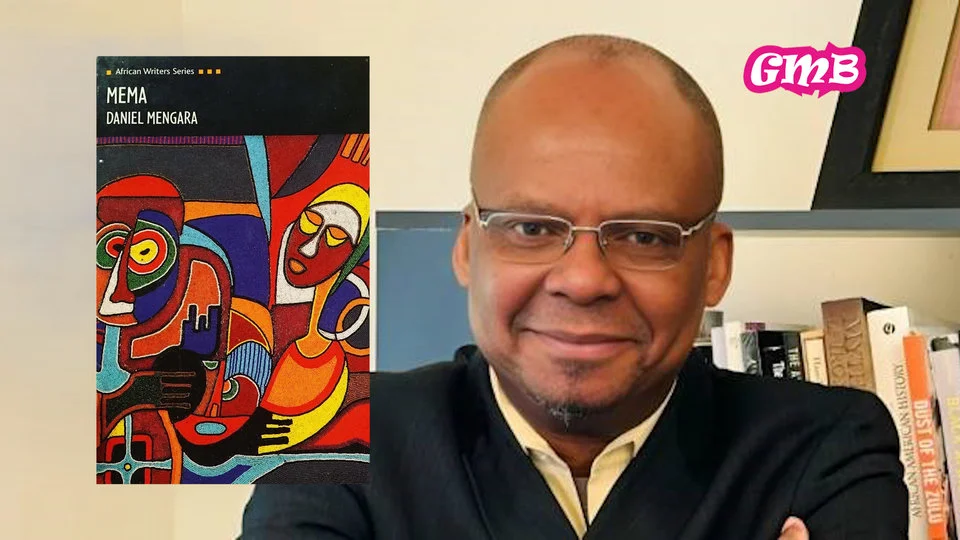
Mema by Daniel Mengara: A Mother, a Legend, and a Village in Transition
You know those mothers who are so tough, so fearless, that you start wondering if they were actually supposed to be born men, but God decided, “Nah, let’s spice things up”? That’s Mema. She’s the kind of woman who, if she tells you to move a mountain, you don’t ask “how?”—you just start digging.
And yet, behind that strength lies tragedy, gossip, witchcraft accusations, machetes, and a son who grew up trying to make sense of it all. Mema isn’t just a mother—she’s a force of nature, a legend in her village, and the beating heart of Daniel Mengara’s unforgettable novel.
What Kind of Novel Is This?
Mema is a reflective, character-driven novel about resilience, tradition, and transformation.
-
Tone: Calm, humorous, reflective
-
Pace: Moderate
-
Themes: Power, gender, family, society in transition, resilience, colonial influence
This book is for readers who:
-
Enjoy rich character studies over fast-paced plots
-
Appreciate African village life depicted with nuance and depth
This book is NOT for readers who:
-
Prefer clear-cut heroes and villains
-
Are looking for high-octane action or linear storytelling
👉 The edition I read is available here: Mema on Amazon
Why This Story Matters
What stayed with me after finishing Mema isn’t just the tragic events or the village gossip—it’s Mema herself. She’s unlike the submissive, quiet African woman often portrayed in literature. Bold, unapologetic, and fiercely protective of her son, she stands as a symbol of the modern African woman: resilient, intelligent, and unafraid to challenge societal expectations.
Through Elang Sima’s eyes, we experience memory itself—messy, circular, poetic. Mengara’s storytelling mirrors the rhythm of village life, weaving together folklore, proverbs, songs, and reflections on colonial wars, education, and societal change. It’s a small novel of just 122 pages, yet it carries the weight of history, culture, and human resilience.
Reading Mema forces a reflection on the cost of strength, the stigma of social gossip, and the courage required to forge a future against all odds.
A Glimpse of the Story
The novel follows Elang Sima, a young boy growing up in a Gabonese village, and his mother, Mema, a woman of extraordinary courage and intellect. When tragedy strikes—her husband and daughters die within days—Mema is labeled a witch.
But she refuses to be broken. She devotes herself to her surviving son, determined that he will rise through education, despite societal resistance and family tension. Through Elang Sima’s eyes, we also witness village courts, traditional marriages, and the subtle shifts as colonial influence and modern education reshape the community.
It’s a story of a mother, a son, and a village caught between past and future—a moral and social tapestry rendered with warmth, humor, and tragedy.
Who This Book Is Perfect For
You’ll enjoy Mema if:
-
You like books that explore resilience and family
-
You enjoy literary fiction with a reflective, poetic style
-
You read to think, not just escape
You might struggle with this book if:
-
You prefer fast-paced plots
-
You need clearly defined heroes and villains
-
You dislike non-linear, repetitive storytelling
👉 If this sounds like your kind of book, get it here: Mema on Amazon
My Honest Verdict
Mema isn’t just a novel—it’s a portrait of a woman who refuses to be defined by tragedy, society, or superstition. Mengara’s prose is rhythmic and poetic, and the narrative’s repetition mirrors the authentic way memory works.
What worked: Mema’s character is unforgettable, the depiction of village life is rich and detailed, and the blending of tradition and modernity feels alive.
What didn’t: Some secondary characters, like the surviving brother, remain in the shadows. But perhaps that’s intentional—the story is Elang Sima’s memory, and memory has its own focus.
I still recommend this book wholeheartedly. It’s short, powerful, and unlike any story you’ve read about African women.
About the Author
Daniel Mengara was born in Minvoul, northern Gabon, and pursued education with remarkable determination, earning his literary Bac in 1987 and a Ph.D. in English Studies by 1995. He later became a professor at Montclair State University, New Jersey, and a political figure in Gabon.
Mengara’s experiences—bridging village life, academia, and politics—inform his writing. Mema reflects both his intimate understanding of Gabonese life and his broader reflections on society and culture.
Closing Thoughts
If you’re looking for a short but powerful novel, one that blends poetry with history, tradition with modernity, and centers on one of the fiercest women in African literature, Mema is a must-read. Wise, beautiful, tragic, and inspiring, it will make you think twice before underestimating the strength of a woman with a machete in her hand.
👉 Read the edition I recommend here: Mema on Amazon