 English
 French
 German
 Russian
 中文
中文

A Man Who Refused to Be Silent
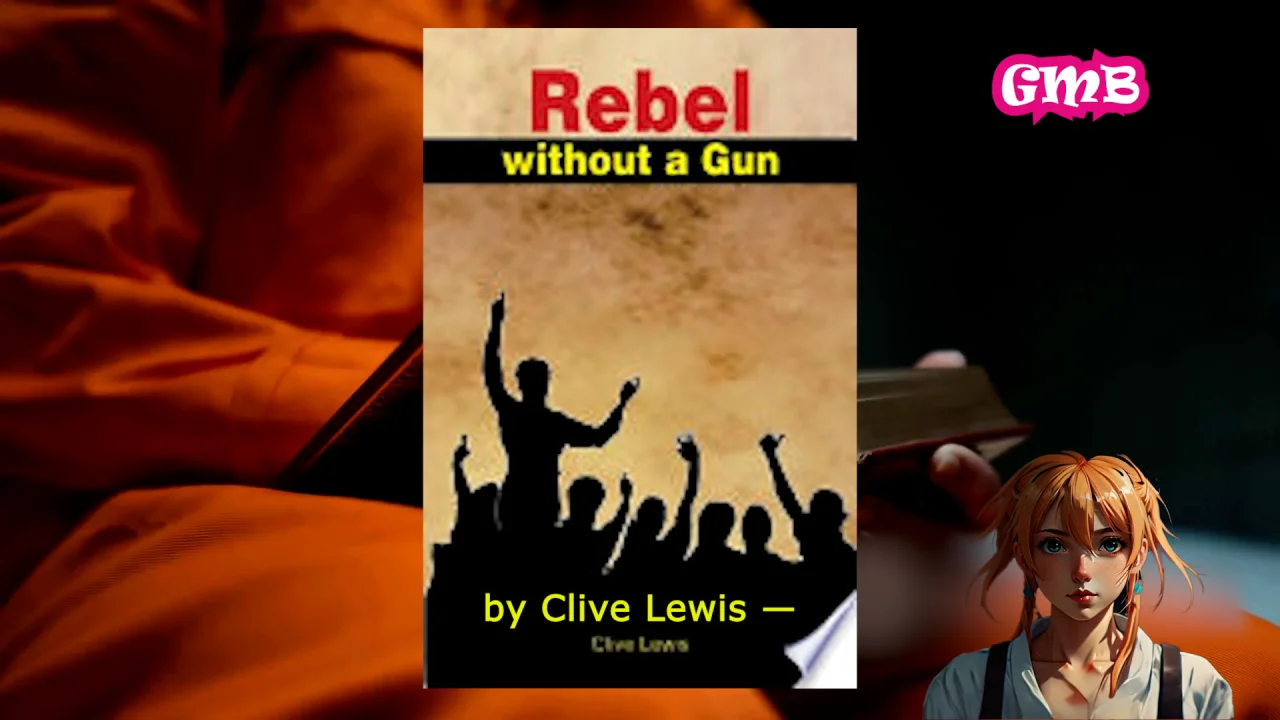
There’s a moment in Rebel Without a Gun that made me pause and stare at the page longer than I expected. Not because of violence. Not because of shock. But because of a question the novel keeps whispering, then eventually demands you answer:
What do you do when silence keeps you alive, but speaking costs you everything?
That question sits at the heart of Clive Lewis’s novel, and it doesn’t let go easily. Long after I closed the book, I kept returning to Daniel Lanebi — not as a character, but as a mirror. His choices are uncomfortable because they feel possible. Because they feel close.
This is not a story about grand revolutions or heroic victories. It’s about the quiet, dangerous act of telling the truth when the world has decided truth is inconvenient.
What Kind of Novel Is This?
Rebel Without a Gun is a political and moral novel about conscience under oppression.
-
Tone: Serious, reflective, quietly tense
-
Pace: Moderate, steadily tightening
-
Themes: Moral courage, resistance, faith, integrity, silence vs truth, postcolonial power
This book is for readers who:
-
Enjoy thoughtful, morally challenging fiction
-
Are drawn to stories of resistance that feel human rather than heroic
This book is not for readers who:
-
Want fast-paced action or clear-cut villains
-
Prefer tidy resolutions and easy moral answers
👉 The edition I read is available here:
Rebel Without a Gun by Clive Lewis on Amazon
Why This Story Matters
What struck me most about Rebel Without a Gun is its refusal to comfort the reader.
Daniel Lanebi is a young clergyman in an African country reeling from the aftermath of colonial rule. A new regime has taken power, but justice hasn’t followed. Tribal violence festers. Government brutality becomes routine. Fear is everywhere — and fear works.
Lanebi sees the injustice clearly. And worse, he knows he cannot pretend he doesn’t.
This is where the novel becomes unsettling. Lewis doesn’t romanticize resistance. Lanebi’s decision to speak out doesn’t make him admired. It isolates him. Friends urge caution. Family begs for silence. Everyone understands the cost — imprisonment, torture, death — and they’re not exaggerating.
Reading this, I kept asking myself the same question the book quietly insists on:
Would I speak if silence guaranteed safety?
That’s why this story feels relevant now. It’s not about one country or one regime. It’s about the universal temptation to survive by looking away — and the rare, costly courage required to refuse.
A Glimpse of the Story (No Spoilers)
At its core, this novel presents a simple but devastating situation:
A man of faith watches his country descend into moral chaos.
The government demands obedience.
The people demand silence.
Lanebi must decide whether truth is worth the price his body, freedom, and loved ones might pay.
That’s it. No gimmicks. No dramatic twists for shock value. Just pressure — steady, relentless pressure — on a single human conscience.
The Power of Lewis’s Writing
Clive Lewis writes with restraint, and that restraint is exactly what gives the novel its power.
The tension doesn’t come from spectacle; it comes from decision-making. Each time Lanebi opens his mouth, you feel the weight of consequences pressing down. The prose is clear, focused, and emotionally honest. Lewis trusts the reader to sit with discomfort rather than rush toward answers.
That honesty is rare.
👉 You can find the paperback edition here:
Rebel Without a Gun – Paperback Edition
About the Author: Why This Story Feels So Real
Clive Lewis’s connection to Uganda and East Africa gives this novel its authenticity.
Educated at Cambridge and Leicester Universities, Lewis taught English and Literature at Kiira College Butiki and Nabumali High School in Uganda from 1966 to 1973. During that time, he met Florence, a Ugandan woman who became his wife. Their long life together, and Lewis’s years immersed in the region, clearly inform the emotional and cultural texture of this book.
This doesn’t feel like an outsider observing suffering from a distance. It feels lived-in. Considered. Respectful.
👉 You can check other editions here if you prefer Kindle or hardcover:
Rebel Without a Gun – All Formats
My Honest Verdict
This isn’t a comfortable novel — and that’s its strength.
What worked:
-
Moral complexity without preaching
-
A protagonist who feels painfully human
-
Themes that linger long after the final page
What might not work for everyone:
-
A measured pace
-
No easy emotional release or triumph
Still, I recommend Rebel Without a Gun because it’s honest. And honest books are rare.
Final Thoughts
Rebel Without a Gun is a tribute to those who resist oppression not with weapons, but with conviction. It reminds us that courage doesn’t always look loud or victorious — sometimes it looks lonely, afraid, and stubbornly truthful.
If you enjoy novels that make you think, that force you to confront uncomfortable questions about your own values, this book deserves your time.
👉 If this sounds like your kind of read, here’s the edition I recommend:
Rebel Without a Gun by Clive Lewis
What stories of resistance and moral courage have stayed with you? I’d love to hear your thoughts.