 English
 French
 German
 Russian
 中文
中文

The Adventures of Huckleberry Finn: A Wild Ride Through Morality, Freedom, and the Mississippi
Mischief Meets Morality
Imagine faking your own death just to escape a drunk, abusive father… then teaming up with a runaway slave for an adventure down the mighty Mississippi River. Sounds like the ultimate mischief, right? Now, throw in a society obsessed with rules, God whispering “don’t do that,” and your conscience screaming louder than a preacher on Sunday. What do you have? A story that pretends to be all fun and games but secretly delivers one of the deepest reflections on morality, race, and freedom you’ll ever encounter.
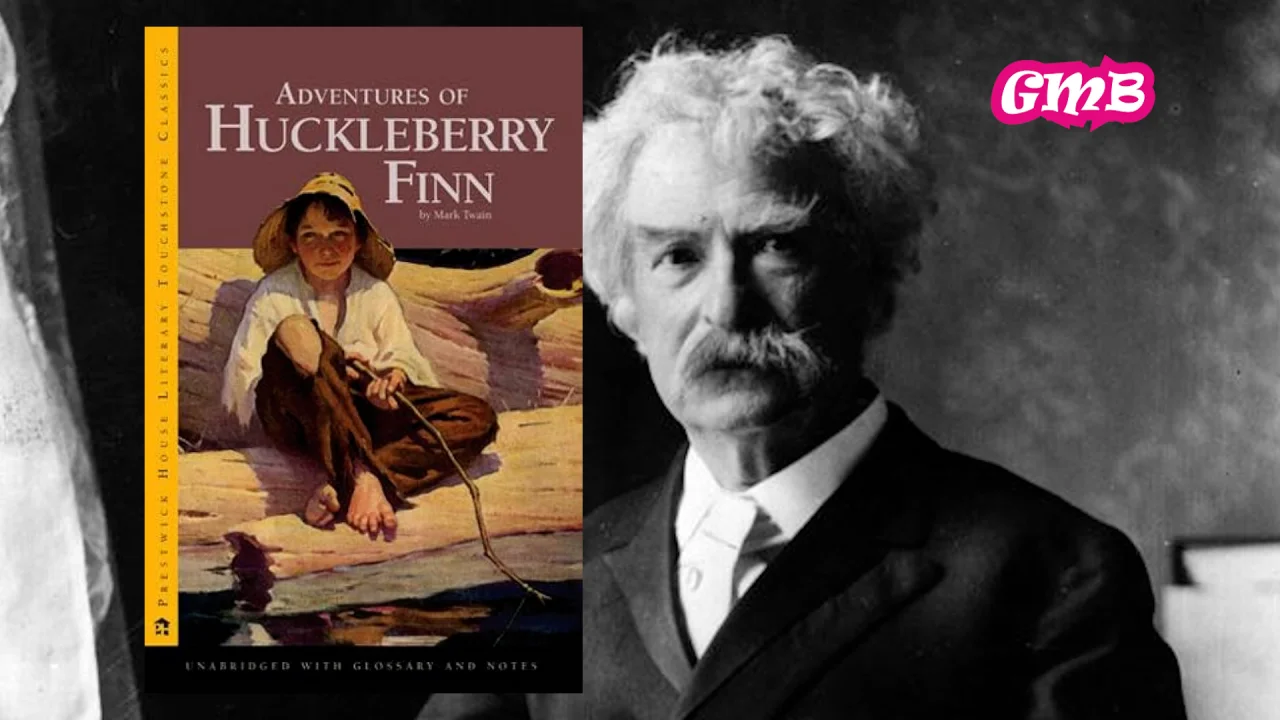
I’m talking about Mark Twain’s masterpiece, The Adventures of Huckleberry Finn, a novel that starts as a boy’s mischievous diary and ends up holding a mirror to America’s soul. Buckle up—this river isn’t just water. It’s a stream of questions about right, wrong, and what it truly means to be free.
A Raft, a Runaway, and Endless Trouble: The Story in a Nutshell
Our hero, Huck Finn, lives in St. Petersburg, Missouri—a boy who makes adults sigh “Lord, give me strength.” Wild, stubborn, curious, and allergic to rules, Huck’s life is anything but ordinary. Adopted by the strict Widow Douglas and Miss Watson, he’s forced into church, prayers, and shoes—torment by any kid’s standard.
Enter Huck’s father: a town drunk, abusive, and lazy as they come. He kidnaps Huck, locks him in a shack, and leaves him to stew. Huck’s response? A plan so audacious it belongs on Netflix: he fakes his own death, splashes pig’s blood around, and escapes to freedom.
On Jackson’s Island, Huck meets Jim, a runaway slave from Miss Watson’s household, fleeing a fate far worse than Huck’s father. Together, they build a raft and float down the Mississippi, chasing freedom—Huck from civilization, Jim from bondage.
But freedom isn’t simple. Huck wrestles with an inner war: loyalty to Jim versus the social rules he’s been taught. Should he betray his friend to avoid damnation? Twain captures this tension brilliantly:
“All right, then, I’ll go to hell.”
With those four words, Huck chooses friendship, morality, and justice over everything society demands—a decision that still sends chills to readers today.
Of course, nothing stays simple for long. Enter Tom Sawyer, the drama king, who turns Jim’s rescue into a theatrical fiasco involving secret messages, snakes, and elaborate schemes. Eventually, Jim is captured at the Phelps farm, but, in Twain’s signature ironic twist, he had already been freed in Miss Watson’s will. All that peril, heartbreak, and moral struggle—avoidable. And Huck? He decides civilization isn’t for him and plans to “light out for the Territory,” proving that freedom is a state of mind, not a place.
Themes, Reflections, and What Makes This Book Timeless
What makes Huckleberry Finn unforgettable isn’t just the adventure—it’s the moral and social questions Twain weaves into the story.
Race and Slavery: Huck and Jim’s friendship is more than a plot device; it’s a lens through which Twain critiques a society that treats humans as property.
Conscience vs. Society: Huck’s inner conflict resonates even today. How often do we follow the crowd instead of what we know is right?
Freedom: Everyone in this book is chasing freedom. Huck from the constraints of “civilization,” Jim from the shackles of slavery. Twain asks what freedom truly costs.
Religion and Morality: Huck’s struggle with societal expectations and religious guilt is timeless. Twain’s narrative challenges blind faith when it conflicts with compassion.
And yes, the language is raw and dialect-heavy. The book contains the N-word and other period-specific terms. Some schools have banned it. But censoring it diminishes the honesty and historical truth at the heart of the story. This is deliberate—it’s the pulse of Twain’s critique.
About the Author: Mark Twain
Mark Twain, born Samuel Langhorne Clemens in 1835, grew up along the Mississippi River—the very river that shapes this novel. A humorist and social critic, Twain had an extraordinary gift: he could make you laugh, then strike you with truths so sharp they linger for years. He wasn’t just telling stories; he was holding a mirror to a nation, forcing readers to confront its hypocrisy, injustice, and absurdities.
Who Should Read This Book
You’ll love The Adventures of Huckleberry Finn if you:
-
Enjoy classic adventures that blend humor with moral depth
-
Appreciate stories that make you question society and your own conscience
-
Read fiction to reflect, not just escape
You might struggle with it if you:
-
Prefer fast-paced, straightforward plots
-
Expect clear-cut heroes and villains
-
Are uncomfortable with dialect or historical language
Grab your edition here: The Adventures of Huckleberry Finn on Amazon.
My Verdict
This isn’t a perfect book—Huck isn’t flawless, and the pacing can meander—but it’s honest, daring, and emotionally powerful. Twain’s ability to blend mischief, moral courage, and social critique is unmatched. The line “All right, then, I’ll go to hell” alone makes it a literary milestone.
If you’re ready for a story that’s fun, funny, and uncomfortably real about human nature, Huckleberry Finn is waiting to sweep you down the Mississippi.
Final Thoughts
From the first prank to the final moral leap, Huck Finn’s journey is unforgettable. It’s a book about freedom, friendship, conscience, and the courage to defy society. Whether you’re revisiting a childhood favorite or picking it up for the first time, this novel doesn’t just entertain—it transforms the way you think about right, wrong, and everything in between.
👉 Start your adventure with The Adventures of Huckleberry Finn here and see why Huck’s choices still echo through generations.