 English
 French
 German
 Russian
 中文
中文
The Immigrant Story That Smells Like Moldy Bread and Broken Dreams
There’s a moment when you’re reading a novel and suddenly realize the narrator is… not exactly trustworthy. Not evil, not even necessarily lying—but speaking from a place so chaotic that reality itself feels slightly bent.
That’s exactly how I felt reading Harare North.
The book opens with a voice that feels strange from the first sentence. The narrator talks in broken, rebellious English—as if he swallowed the language, chewed it halfway, and then spat it back out in protest. At first it’s funny. Then unsettling. Then strangely intimate.
Before long, you realize you’re not just reading a story about immigration.
You’re inside the mind of someone who arrived in London carrying secrets, guilt, and a past that refuses to stay buried.
And the result is one of the rawest immigrant novels I’ve read in a long time.
The Author Behind the Madness
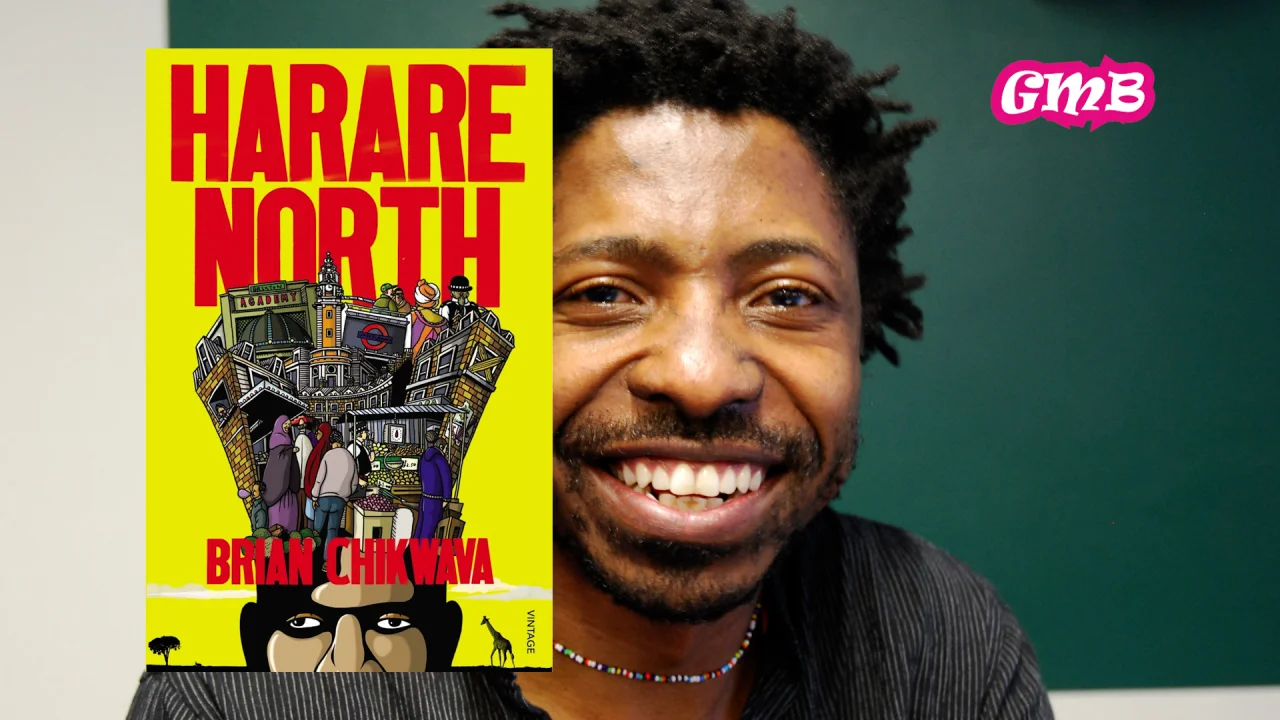
The novel is written by Brian Chikwava, a Zimbabwean author whose work often explores displacement, identity, and the strange psychological terrain of migration.
Chikwava first gained international recognition when his short story “Seventh Street Alchemy” won the Caine Prize for African Writing in 2004—the first Zimbabwean writer to receive the honor.
Born in Bulawayo and raised in Harare, Chikwava later moved to London, and that dual experience clearly shapes Harare North. The novel feels like it was written by someone who has lived between worlds and understands the strange tension of belonging nowhere.
👉 If you’d like to see the edition I read, you can find it here:
https://amzn.to/4pzBvJO
What Harare North Is About (No Major Spoilers)
At the center of the story is an unnamed narrator who arrives in London from Zimbabwe seeking asylum.
But here’s the twist: he isn’t exactly the victim he pretends to be.
Back home, he was part of the Green Bombers, a youth militia tied to political violence during Zimbabwe’s turbulent years. He may—or may not—have killed someone. Now he’s in the UK not simply escaping oppression, but running from the consequences of his own actions.
London, however, isn’t the promised land he imagined.
He ends up drifting between cramped apartments and illegal squat houses filled with other Zimbabwean migrants barely surviving the city’s harsh economic reality.
His main plan is simple:
-
Raise $5,000
-
Pay off a murder charge back home
-
Repay the uncle who bought his plane ticket
-
Return to Zimbabwe like nothing happened
But London—what the migrants jokingly call “Harare North”—has other plans.
Between unstable housing, exploitative work, fragile friendships, and his own increasingly unstable mental state, the narrator begins to unravel.
The novel slowly becomes less about survival and more about identity, guilt, and the psychological toll of migration.
The World of the Squat House
Much of the story takes place in a crowded squat house run by a group of Zimbabwean migrants who operate under strict rules:
-
Don’t eat what you didn’t buy
-
See rule number one
-
Seriously—don’t eat what isn’t yours
-
If you don’t work, you don’t eat
-
Wash your plate
It sounds almost comedic at first.
But underneath the humor lies something darker.
Everyone in the house is fighting their own battle with poverty, legal status, and emotional trauma.
One resident charges rent for a squat he obtained for free.
Another rents out her baby to women trying to qualify for government housing.
Jobs are scarce and often humiliating.
The narrator refuses to take what he calls “BBC jobs”—short for British Buttocks Cleaning, his mocking term for elderly care work.
So instead, he survives through manipulation, small hustles, and occasionally exploiting the generosity of others.
This is not a heroic immigrant story.
It’s something far messier—and far more human.
The Language That Makes This Book Unique
One of the most striking things about Harare North is the language.
Chikwava writes entirely in the narrator’s broken English—a strange mix of Zimbabwean rhythms, migrant slang, and improvised grammar.
At first, it feels disorienting.
But after a few chapters, something interesting happens.
Your brain adjusts.
And suddenly the language becomes one of the most authentic voices you’ve ever encountered in fiction.
This isn’t polished literary English.
It’s survival English.
It reflects someone navigating a world where language itself is unstable—where every sentence carries traces of home and exile at the same time.
It’s bold, uncomfortable, and completely immersive.
The Real Themes Behind the Story
While the plot follows the narrator’s chaotic life in London, the novel is really exploring several deeper themes.
1. The Dark Side of the Immigrant Dream
Most migration stories focus on perseverance and success.
Harare North does the opposite.
It shows the loneliness, exploitation, and moral compromises many migrants face when they arrive in countries that promised opportunity but delivered bureaucracy and suspicion instead.
London becomes less of a sanctuary and more of a psychological battlefield.
2. Guilt and the Past That Won’t Leave
The narrator tries to reinvent himself in London.
But Zimbabwe—its violence, politics, and unresolved trauma—follows him everywhere.
Even thousands of miles away, the past keeps whispering.
And sometimes screaming.
3. The Collapse of Identity
As the story progresses, the narrator begins losing his grip on reality.
His friend Shingi spirals into addiction.
Secrets and betrayals pile up.
Relationships collapse.
By the end, it becomes unclear whether the narrator is unreliable, traumatized, or simply losing his mind.
Chikwava deliberately blurs the line between psychological breakdown and spiritual haunting.
And that ambiguity makes the novel even more haunting.
What Worked for Me
The biggest strength of Harare North is its voice.
Few novels feel this raw and authentic. The narrator is funny, disturbing, manipulative, and strangely sympathetic all at once.
You may not like him—but you’ll definitely remember him.
The novel also refuses to romanticize migration.
There are no success montages here. No inspiring speeches.
Just cold kitchens, unpaid rent, and the quiet fear of deportation.
It’s uncomfortable—but powerful.
What Didn’t Fully Work
One element that left me slightly conflicted was the political portrayal of Zimbabwe.
The novel clearly critiques the Mugabe-era political chaos and youth militias, which is understandable given the narrator’s past.
But at times, the portrayal feels slightly simplified—leaning toward a caricature that might echo Western media narratives.
That doesn’t ruin the novel, but it did make me pause and reflect on how complex political realities are often reduced in storytelling.
Still, if a book makes you question things, that’s often a sign it’s doing something right.
Final Verdict: A Brutal, Brilliant Immigrant Story
Harare North isn’t a clean or comfortable novel.
It’s strange.
Messy.
Sometimes disturbing.
But that’s exactly why it matters.
Instead of offering a polished immigrant success story, Brian Chikwava gives us something far more honest: a portrait of displacement, guilt, and survival in a world where no one is completely innocent.
By the end of the novel, the narrator arrives at a realization that lingers long after the last page:
“Forgiveness is the best form of punishment.”
It’s a haunting line—and a fitting conclusion to a story about consequences that follow us across continents.
Who Should Read Harare North?
You’ll likely enjoy this novel if you:
-
Appreciate experimental literary voices
-
Are interested in African diaspora stories
-
Like novels that explore psychology and moral ambiguity
You might struggle with it if you:
-
Prefer clear heroes and villains
-
Want a fast, straightforward plot
-
Dislike unconventional language in fiction
👉 If you’re curious to experience this unusual and unforgettable novel yourself, you can check out Harare North here:
https://amzn.to/4pzBvJO
Final Thoughts
Reading Harare North feels less like following a story and more like wandering through the mind of someone barely holding themselves together.
It’s uncomfortable.
It’s chaotic.
But it’s also one of the most honest portrayals of migration I’ve come across in modern African literature.
And sometimes the most important stories are the ones that leave you slightly unsettled.
Because those are the ones that stay with you.