 English
 French
 German
 Russian
 中文
中文

Curiosity, Colonizers, and the Cost of Innocence: A Review of Houseboy by Ferdinand Oyono
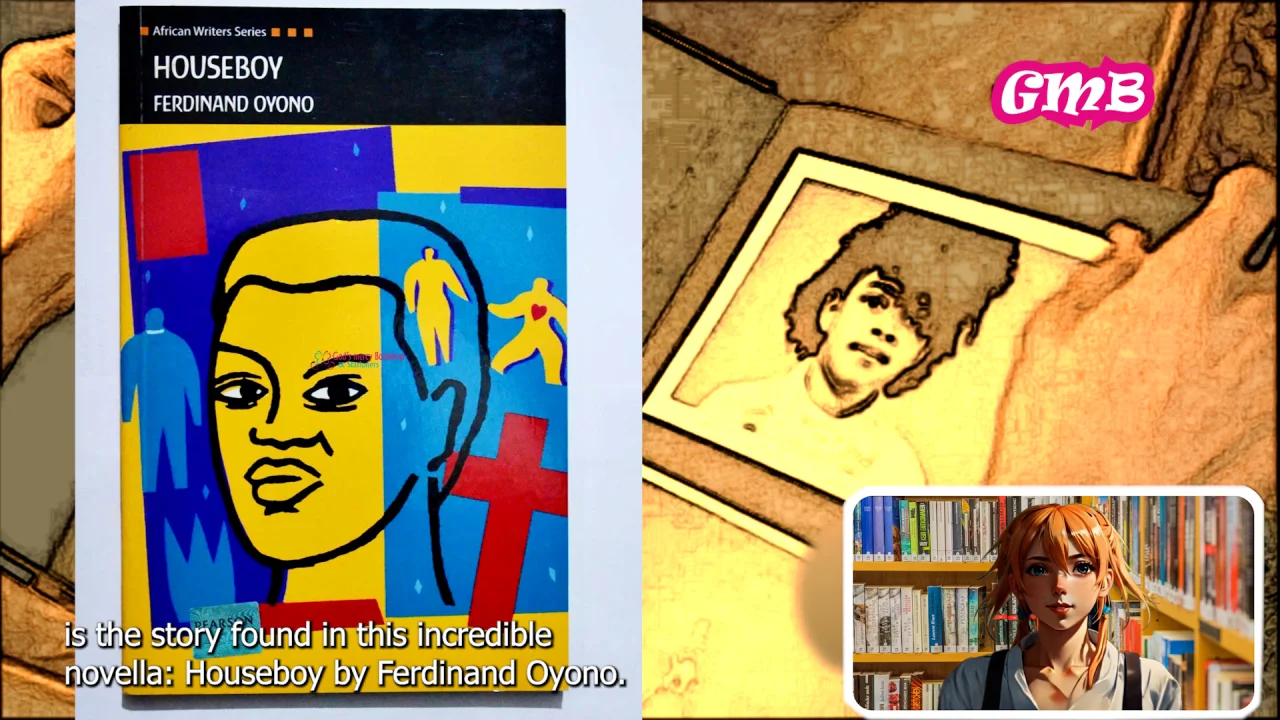
Imagine a boy so curious, so unreasonably inquisitive, that his very questions become dangerous. His name is Toundi, and his “crime”? Asking about everything—from the mundane to the scandalous. This is the story of a boy who wanted a little sugar, stumbled into a colonial household, saw too much, asked the wrong questions… and paid dearly for it.
Houseboy is one of those books that hooks you immediately with humor, absurdity, and tragedy, all wrapped in 122 short but unforgettable pages. From the moment Toundi runs away from home over a quarrel about sugar, you’re drawn into his world—a world where innocence collides violently with colonial cruelty.
What Kind of Novel Is This?
Houseboy is a short, satirical, and devastatingly human novella about colonialism, innocence, and moral hypocrisy.
-
Tone: Funny, tragic, reflective
-
Pace: Moderate—each diary entry hits hard
-
Themes: Power, race, innocence, exploitation, duplicity
This book is for readers who:
-
Appreciate anti-colonial literature and African voices
-
Enjoy sharp satire that reveals societal truths
This book is NOT for readers who:
-
Need fast-paced adventure or clear-cut heroes and villains
-
Prefer lengthy epics over short, punchy reads
👉 The edition I read is available here: Houseboy on Amazon
Why This Story Matters
At its core, Houseboy is a study in human hypocrisy and the cost of innocence. Toundi’s diary isn’t just a record of events; it’s a lens through which we see the absurdity, cruelty, and contradictions of colonial life.
He observes Europeans showing more care to flowers than to the people who serve them, publicly despising natives while privately exploiting them, preaching Christian virtue while engaging in theft, lies, and worse. All the while, Toundi simply tries to understand. His naïve perspective makes the satire bite sharper—and the tragedy hit harder.
Oyono doesn’t give us Madame’s inner thoughts, nor Moreau’s guilt. We get only Toundi’s eyes, his questions, his confusion, and his heartbreak. The result is a deeply personal, intensely human perspective on colonial oppression that resonates even today.
A Glimpse of the Story
Toundi, a curious young boy, flees his home after a sugar-related quarrel. He first seeks refuge with a missionary, then becomes a houseboy for the local French Commandant.
From diary entries about condoms under Madame’s bed to witnessing the cruel punishments of innocent people, Toundi records it all with an honesty that is both hilarious and devastating. He observes secret affairs, double standards, and racial hierarchies that are enforced publicly but ignored privately—all while clinging to his curiosity.
And then war comes, family tragedy strikes, and Toundi is caught in a web he cannot escape. His diary ends abruptly in Spanish Guinea, leaving readers to ponder the consequences of innocence in a brutal world.
Who This Book Is Perfect For
You’ll enjoy Houseboy if:
-
You like books that combine humor with heartbreak
-
You enjoy first-person narratives that expose societal hypocrisy
-
You read fiction to think and reflect, not just escape
You might struggle with this book if:
-
You prefer fast-paced plots with clear heroes and villains
-
You dislike open-ended or tragic conclusions
👉 Grab your copy here: Houseboy on Amazon
My Honest Verdict
Houseboy is short, sharp, and brilliant. Ferdinand Oyono’s wit cuts like a knife, exposing the absurdities of colonial life while keeping readers laughing through their unease.
The diary format is genius: raw, one-sided, and heartbreakingly personal. You see the world only through Toundi’s eyes, which makes the Europeans’ hypocrisy painfully clear. The story is tragic, hilarious, and devastating—all at once.
This isn’t just a quick read—it’s an emotional punch disguised as a 122-page novella.
About the Author
Ferdinand Léopold Oyono (1929–2010) was born in Cameroon and became one of Africa’s most important literary voices. Houseboy (originally Une vie de boy) was his debut, and he wrote just a few more novels before moving into public service.
He served as a diplomat, Minister of Foreign Affairs, and later as Minister of State for Culture. Yet it’s Houseboy that immortalized him—showcasing a sharp critique of colonialism through the eyes of the innocent.
Final Thoughts
If you’re looking for a quick but profound read that illuminates the colonial experience from an African perspective, Houseboy is a must. It’s one of those rare books that makes you laugh, cry, and feel outraged all in one sitting.
Short, readable, and unforgettable, it’s perfect for when you want impact without a time commitment. And Toundi? You’ll carry his story with you long after the last page.
Have you read Houseboy? What did Toundi’s story make you feel? Let’s discuss in the comments.
👉 Get your edition here: Houseboy on Amazon