 English
 French
 German
 Russian
 中文
中文

When Your Biggest Rebellion Is Just… Wanting a Boyfriend
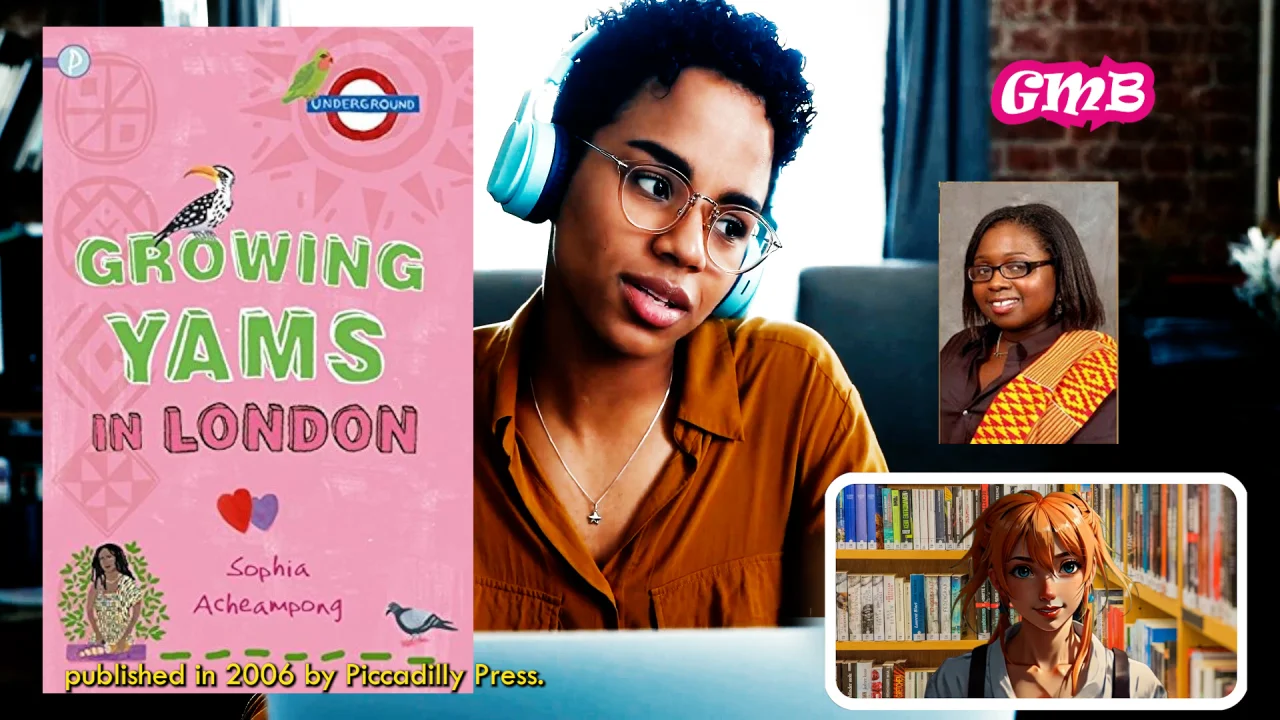
There’s a moment in this book where I just stopped and laughed—not because something dramatic happened, but because it felt too real. A teenage girl, perfectly normal in every way, suddenly becomes a criminal… simply for wanting a boyfriend.
Not because society is against her. Not because of some identity crisis.
But because her African parents treat the idea like it could summon chaos into the household.
That’s when it hit me—this story isn’t trying to be heavy. It’s trying to be honest.
And that honesty is what makes Growing Yams in London by Sophia Acheampong feel so refreshing.
What Kind of Novel Is This?
This is a young adult, coming-of-age, culturally grounded novel about growing up between traditions without being torn apart by them.
Tone: Light, humorous, reflective
Pace: Moderate and easy to follow
Themes: Identity, family, culture, teenage life, technology, belonging
This book is for readers who:
-
Enjoy character-driven, relatable teenage stories
-
Want African diaspora stories that aren’t heavy or tragic
-
Appreciate humor rooted in real-life family dynamics
This book is NOT for readers who:
-
Expect high-stakes drama or intense conflict
-
Prefer fast-paced, plot-heavy narratives
-
Want a deep, philosophical exploration of identity
👉 The edition I read is available here:
https://amzn.to/3XFvGhq
A Quick, No-Spoiler Summary
Set in North London, the novel follows Makeeda, a teenage girl living what looks like a completely normal British life—school, friends, fashion, and social drama.
But at home, things run on a different system.
Her parents, first-generation Ghanaian immigrants, have their own expectations—especially when it comes to relationships. And in their world, “boyfriend” is not just a word… it’s a problem.
As Makeeda navigates friendships, jealousy, and the confusing world of teenage romance, she also begins to grow curious about her Ghanaian roots—sparked by something as simple as a school project.
No identity crisis. No dramatic rebellion.
Just life, unfolding naturally.
Why This Story Matters (More Than It Seems)
What stayed with me after finishing this book is how quietly radical it is.
We’re used to immigrant stories being heavy—full of struggle, displacement, and the constant question: Where do I belong?
But this book refuses that narrative.
Makeeda already belongs.
She’s not confused about being British. She’s not disconnected from her Ghanaian heritage. She’s just… living. And that changes everything.
Because the tension here isn’t about identity—it’s about translation.
How do parents raise children in a world that no longer follows their rules?
How do children respect traditions that don’t quite fit their reality?
And then there’s technology.
This book captures that awkward generational gap perfectly—the moment when parents realize they can’t fully “see” their child’s world anymore. Text messages, social media, private conversations… it’s a universe they don’t control.
That subtle shift in power? It’s never shouted—but you feel it.
And somehow, through all of this, the book remains warm.
It never turns the parents into villains. It never turns Makeeda into a rebel.
It just shows love… adjusting.
What Makes This Book Work
1. It Feels Real
Nothing here is exaggerated. The humor comes from situations you recognize—awkward conversations, misunderstandings, silent negotiations between parents and kids.
2. It Respects Teenage Life
Makeeda’s problems—boys, friends, image—aren’t dismissed as “small.” They are her world. And the book treats them that way.
3. Culture Is Present, Not Performed
The Ghanaian background isn’t turned into a lesson. It’s just part of everyday life—woven naturally into dialogue, habits, and expectations.
Where It Falls Short
If you’re looking for a strong central plot or big emotional highs, you might feel underwhelmed.
This isn’t a story driven by events—it’s driven by moments.
And sometimes, that means it feels a bit too gentle. The stakes are low, the conflicts are subtle, and the resolution doesn’t aim to shock you.
Who This Book Is Perfect For
You’ll enjoy this novel if:
-
You like stories that feel personal and grounded
-
You enjoy subtle humor and family dynamics
-
You read fiction to reflect, not just escape
You might struggle with this book if:
-
You prefer fast-moving, dramatic plots
-
You need clear conflict and resolution
-
You want big emotional payoffs
👉 If this sounds like your kind of book, you can get it here:
https://amzn.to/3XFvGhq
My Honest Verdict
This isn’t a perfect novel—but it’s an honest one.
What worked:
-
The authenticity of the characters
-
The effortless humor
-
The balanced portrayal of family and culture
What didn’t:
-
The lack of strong narrative momentum
-
The low emotional stakes for some readers
And yet, I’d still recommend it.
Because not every story needs to be loud to matter.
Final Thoughts & Recommendation
What I keep thinking about is that first feeling—that quiet realization that this book isn’t trying to impress you.
It’s just trying to tell the truth about being a teenager in a multicultural home.
No exaggeration. No performance.
Just a girl figuring out how to live her life… while her parents figure out how to let her.
If that kind of story speaks to you—if you enjoy books that feel like real life rather than scripted drama—then Growing Yams in London is worth your time.
👉 If you’d like to read the same edition I did, here’s the link:
https://amzn.to/3XFvGhq
Similar Books You Might Like
-
The Thing Around Your Neck – for diaspora stories with emotional depth
-
Americanah – for identity and culture explored on a larger scale
Best Format to Read This Book
Paperback works best here—the story feels intimate, and the physical format matches its grounded, personal tone.