 English
 French
 German
 Russian
 中文
中文

Discovering Harriet Tubman: A Review of Freedom Train by Dorothy Sterling
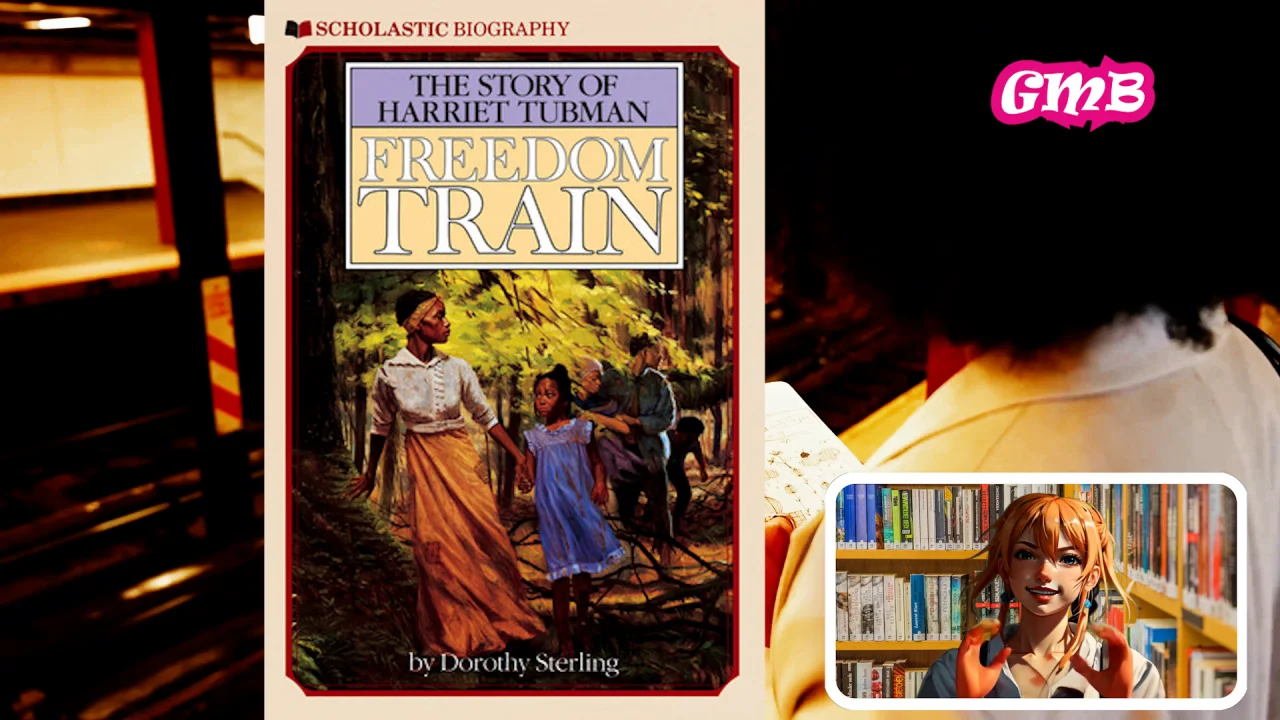
You know that moment when a name keeps popping up everywhere — in books, poems, movies — and you nod along like you already know them, only to realize you’ve never actually explored their story? That was me with Harriet Tubman. Her name has long been synonymous with courage, boldness, and near-mythical heroism. Yet, somehow, I had never really taken the time to dig into her life.
That all changed when I stumbled upon Freedom Train: The Story of Harriet Tubman by Dorothy Sterling. Without hesitation, I grabbed a copy. Little did I know, this book — aimed at younger readers — would deliver a story as rich, powerful, and unforgettable as any adult biography.
A Glimpse into Harriet Tubman’s Life
Freedom Train opens with Harriet’s early years on a Maryland farm, growing up under the brutal conditions of slavery. Her childhood was far from carefree — a severe head injury left her with lifelong symptoms, including sudden sleep episodes, yet it never dimmed her determination. Harriet longed for freedom and, when the opportunity came, she ran toward it with unmatched courage.
Her escape wasn’t straightforward. Early attempts with her brothers faltered, but Harriet pressed on alone, eventually reaching the free states. And she didn’t stop there. Her freedom became a mission: she returned repeatedly into slave territory to guide others to liberty, including her own family, earning the nickname “Moses.” Each journey was fraught with danger, made even more perilous by laws like the Fugitive Slave Act. Yet Harriet’s cunning, bravery, and unwavering resolve never failed her passengers — she never lost a single person under her care.
The book also touches on her personal life and African heritage. Harriet believed she was of Ashanti descent, a detail that adds layers to her story and connects her struggles to the broader history of the transatlantic slave trade. Through Sterling’s narrative, we see the brutal realities of slavery — from the denial of personal autonomy to physical abuse — and the extraordinary resilience required to resist it.
Why This Story Matters
What makes Freedom Train so compelling isn’t just Harriet Tubman’s daring escapes, but the profound themes it carries:
-
Freedom at all costs – Harriet’s story reminds us that liberty is never freely given; it must be claimed, often with immense personal risk.
-
The power of will – Even when loved ones hesitated or stayed behind, Harriet pressed on. Her courage was relentless.
-
Community and solidarity – The Underground Railroad was a network of brave individuals, and Harriet’s successes highlight the strength found in collaboration.
-
Myth and reality – The legend of “Moses” reflects both Harriet’s near-mythical reputation and the very real dangers she faced.
-
The legacy of slavery – The book doesn’t shy away from the cruelty of slavery, reminding readers of its lasting echoes in modern society.
Even with simple, accessible prose, Sterling doesn’t compromise the story’s depth. Songs, storytelling, and African cultural references enrich the narrative, making it both authentic and emotionally resonant.
About Dorothy Sterling
Dorothy Sterling (1913–2008) was an American historian and writer renowned for making African American history accessible to young readers. Writing during a time when stories like Harriet Tubman’s were rarely included in classrooms, Sterling’s work introduced generations of students to the courage and leadership of historical figures.
With Freedom Train, Sterling strikes a delicate balance — presenting history in a way that’s digestible for younger audiences without softening the stakes or the heroism involved. Her talent for accessible storytelling ensures Harriet Tubman’s life resonates across age groups.
My Take on Freedom Train
Even though the book is written for a younger audience, its impact is anything but juvenile. The story is moving, powerful, and a necessary reminder of the resilience it took to resist a system designed to crush human spirit. I appreciated the cultural richness Sterling wove into the narrative — from songs to oral storytelling traditions — which adds authenticity and depth.
This isn’t just a biography; it’s a celebration of courage, ingenuity, and moral fortitude. It reminds readers that true heroism exists in the real world, not just in fiction.
Who Should Read This Book
You’ll love Freedom Train if:
-
You want to understand the real-life bravery of Harriet Tubman.
-
You enjoy historically rich, character-driven narratives.
-
You’re curious about African American history and the cultural roots of the struggle for freedom.
You might struggle with this book if:
-
You prefer fast-paced, plot-heavy novels.
-
You need clear-cut villains and heroes.
-
You’re looking for a purely adult-level biography (though it’s deeply rewarding regardless).
👉 Grab your copy of Freedom Train: The Story of Harriet Tubman here.
Final Thoughts
Freedom Train may be a modestly sized book, but its story is monumental. Harriet Tubman’s life, as told by Dorothy Sterling, is a portrait of courage, intelligence, and unbreakable resolve. Whether you’re new to Tubman’s story or already familiar with her legend, this book will deepen your appreciation of her legacy and leave a lasting impression.
Sometimes, the greatest heroes aren’t characters in epic fantasy novels — they’re the ones who lived, fought, and triumphed in the real world. Freedom Train is a must-read for anyone who wants to meet one of history’s most extraordinary figures up close.
Optional: For those interested in exploring more about the era and figures surrounding Harriet Tubman, consider checking out Sojourner Truth: A Life, A Symbol for additional historical context.