 English
 French
 German
 Russian
 中文
中文

Dune by Frank Herbert: A Masterpiece of Prophecy, Politics, and Planetary Power
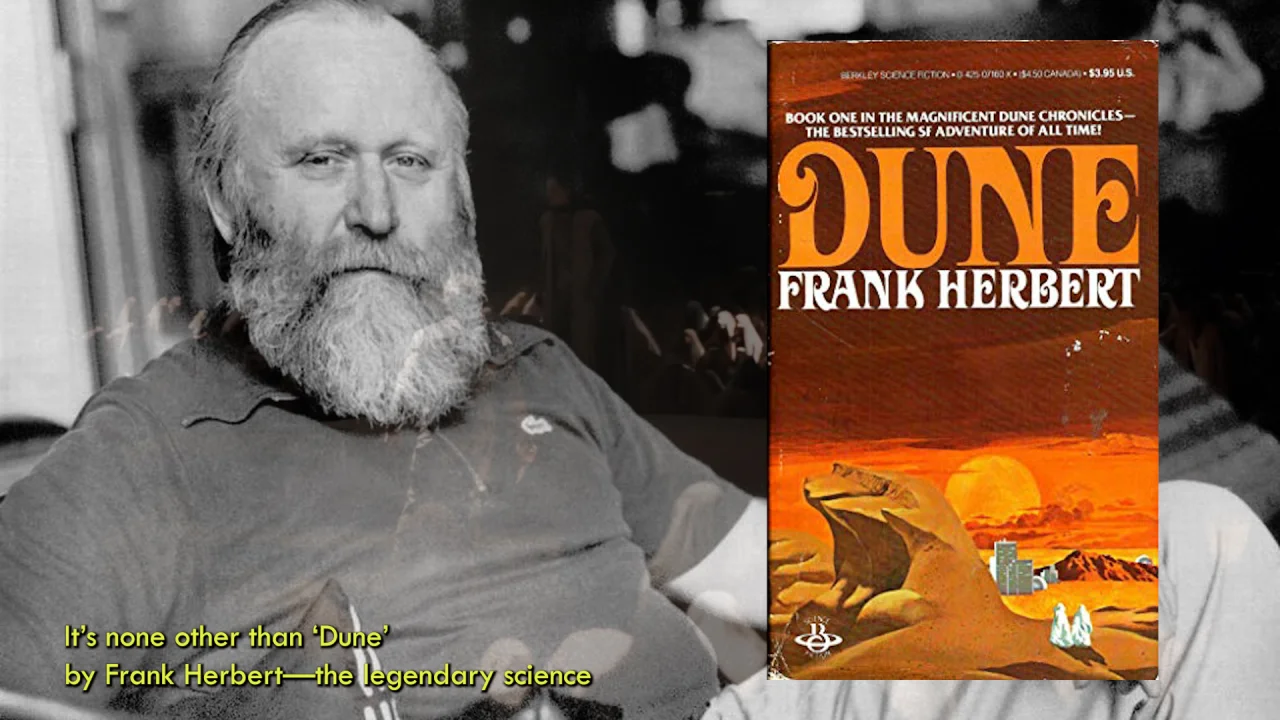
Imagine living on a planet where water is more precious than gold, sand stretches as far as the eye can see, and walking carelessly could get you swallowed by a skyscraper-sized worm. Welcome to Arrakis, the desert world at the heart of Frank Herbert’s legendary 1965 science fiction epic, Dune.
From the very first pages, this novel had me hooked. I was laughing, gasping, and occasionally whispering, “The spice must flow.” But beneath the action and interstellar intrigue lies a story about prophecy, betrayal, and a young man whose destiny could reshape the universe.
Whether you’re a longtime sci-fi fan or someone curious about what makes this book a classic, this review will take you through the magic of Dune—without spoiling the key twists.
What Kind of Novel Is Dune?
Dune is a science fiction epic that blends politics, prophecy, and ecology into a story about power, destiny, and survival.
-
Tone: Dark and reflective, with moments of humor
-
Pace: Moderate, letting the world and characters breathe
-
Themes: Power, faith, heroism, ecological balance, human ambition
This book is perfect for readers who:
-
Love intricate world-building and complex political intrigue
-
Enjoy stories that explore morality, faith, and the cost of power
It’s NOT ideal for readers who:
-
Prefer fast-paced, plot-driven adventures
-
Need clear-cut heroes and villains
-
Don’t enjoy books that leave some questions unanswered
👉 The edition I read is available here: Dune on Amazon.
The Story in a Nutshell
The story begins with House Atreides, an aristocratic family, moving from their watery home on Caladan to the desert planet Arrakis. On the surface, it seems like a promotion, but Arrakis is a harsh, unforgiving world filled with giant sandworms and one of the universe’s most valuable substances: the spice melange.
The spice is no ordinary commodity. It prolongs life, enhances mental abilities, and is essential for interstellar travel. Naturally, everyone wants it, and the stakes are high. Enter the ruthless House Harkonnen, who, along with the Emperor, set a deadly trap for Duke Leto Atreides.
Meanwhile, the Duke’s son, Paul, is no ordinary teenager. Trained by his mother, Lady Jessica, a member of the secretive and powerful Bene Gesserit sisterhood, Paul possesses extraordinary mental and physical abilities. When betrayal strikes, Paul and Jessica flee into the desert, where they meet the Fremen, fierce desert dwellers who survive against impossible odds.
Paul begins a remarkable transformation into Muad’Dib, a prophetic leader capable of incredible prescience. Alongside the Fremen, he leads a revolt that reshapes the balance of power across the galaxy.
Why Dune Matters: Analysis & Insights
What makes Dune truly remarkable is its world-building. Herbert didn’t just create a desert planet—he built a fully realized ecosystem, complete with cultures, religions, political systems, and even languages. The richness rivals that of Tolkien’s Middle-earth.
But Dune is more than a sci-fi spectacle. It’s a deeply human story exploring:
-
Ambition and hero worship: What happens when people place blind faith in leaders?
-
Environmental stewardship: Arrakis is both a setting and a warning about exploiting nature for profit.
-
Ethics of power: Can someone truly control a destiny shaped by prophecy?
The novel is dense and demands attention, but every page rewards you with insight. From the deadly spice to sandworm battles, from visions of galactic war to intimate family dynamics, Herbert balances spectacle with reflection.
Even Lady Jessica and her daughter Alia illustrate the complexity of human potential—Alia, born with full awareness of Bene Gesserit knowledge, challenges the very notion of innocence and maturity.
About Frank Herbert
Frank Herbert was more than a writer; he was a visionary. By combining politics, religion, ecology, and psychology, Herbert created a universe that has influenced countless stories, from movies and TV shows to video games and even Star Wars.
Herbert passed away in 1986, but his legacy lives on. The original Dune spawned a series of novels, continued by his son Brian Herbert and co-author Kevin J. Anderson, expanding the epic universe he created.
Who Should Read Dune?
You’ll enjoy Dune if you:
-
Love novels that make you think about power, faith, and humanity
-
Appreciate immersive world-building and richly layered storytelling
-
Want science fiction that is more than just action and adventure
You might struggle if you:
-
Prefer straightforward, fast-moving plots
-
Dislike moral ambiguity or complex political intrigue
-
Are looking for a light, escapist read
👉 Pick up the edition I read here: Dune Paperback.
Final Verdict
Dune is a masterpiece that blends philosophy, politics, ecology, and high-stakes adventure into a story that feels both timeless and eerily relevant. From the unforgettable sandworms to Paul’s struggle with destiny, Herbert’s universe is both thrilling and thought-provoking.
If you haven’t read it yet, this is more than a recommendation—it’s an invitation to experience one of the greatest science fiction novels ever written.
And remember… the spice must flow.