 English
 French
 German
 Russian
 中文
中文

The Night Washington Turned Into a Giant Puzzle
It starts with a phone call.
A rich, highly respected friend invites you to Washington, D.C. for a friendly lecture to a group of intellectual gentlemen in tailored robes — the kind who like ancient rituals, mysterious handshakes, and secret symbols. In other words: the Freemasons.
You pack your bags, hop on a plane, and imagine a quiet evening discussing philosophy.
Instead, you arrive… and the first thing you see is your friend’s severed hand.
Just sitting there.
Pointing.
Not the kind of welcome you expect when visiting the U.S. Capitol.
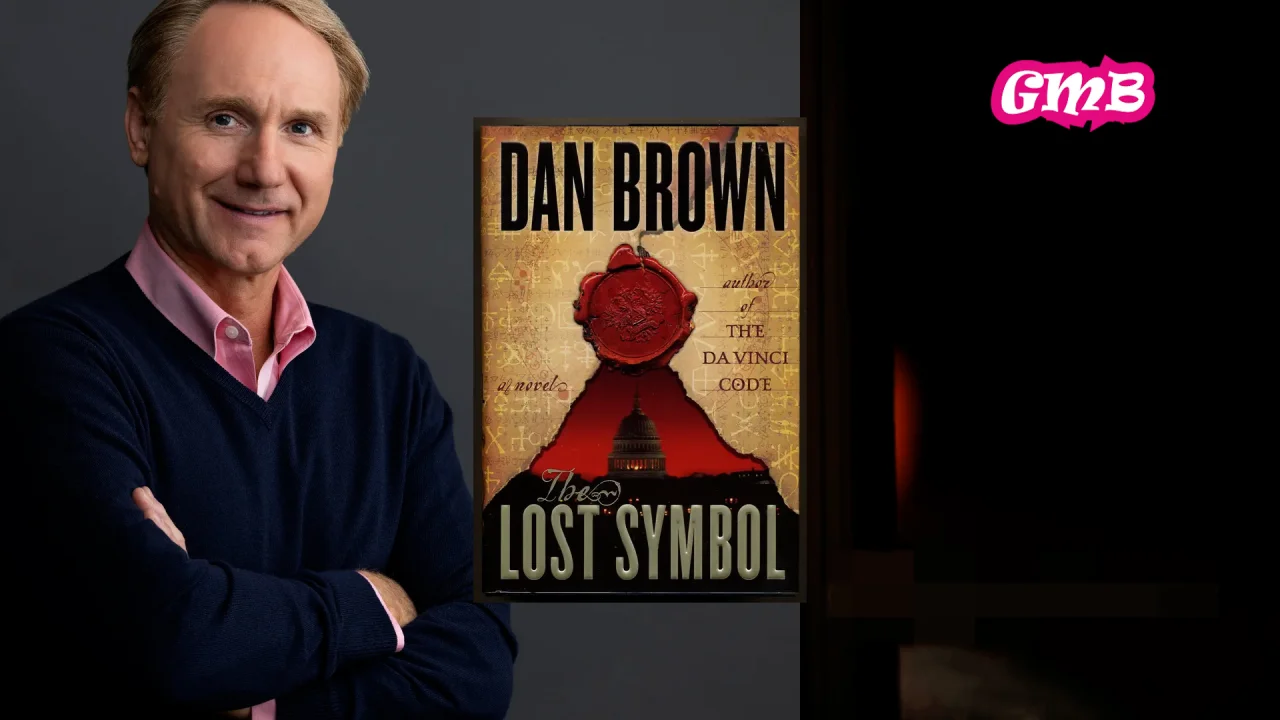
That’s how the night begins for Robert Langdon in The Lost Symbol — a thriller that turns Washington, D.C. into a labyrinth of codes, hidden knowledge, and very strange people.
And if you’ve read Dan Brown before, you already know one thing:
This is going to be a very long night.
What Kind of Novel Is This?
This is a conspiracy thriller / puzzle mystery about hidden knowledge and the dangerous power of secrets.
Tone: Suspenseful, dramatic, occasionally over-the-top
Pace: Fast — surprisingly fast for a 600+ page book
Themes: Knowledge vs ignorance, enlightenment, secret societies, science vs belief
This book is for readers who:
-
Love puzzles, symbols, and historical mysteries
-
Enjoy thrillers that race through real-world landmarks
This book is NOT for readers who:
-
Prefer subtle literary prose
-
Want deep psychological character studies
👉 The edition I read is available here:
You can find The Lost Symbol on Amazon.
Why This Story Matters (Emotional Core)
Underneath the chases, codes, and cryptic Latin phrases, this novel asks a fascinating question:
What if humanity has forgotten something important about itself?
Dan Brown builds the entire story around the idea that ancient traditions once understood the power of the human mind — and that this knowledge has been hidden, misunderstood, or deliberately buried over time.
That tension sits at the heart of the novel:
Science vs mysticism.
Enlightenment vs ignorance.
Knowledge vs power.
The book suggests that symbols, architecture, and secret societies may carry echoes of ideas that were once considered sacred — ideas about human potential, consciousness, and wisdom.
Even if you don’t buy the theories, the concept itself is intriguing.
It makes you look differently at ordinary things.
A monument becomes a code.
A painting becomes a clue.
A symbol becomes a doorway to something older than history.
That sense of hidden meaning is what makes the story addictive.
A Glimpse of the Story (Minimal, No Spoilers)
Harvard symbologist Robert Langdon travels to Washington, D.C. after receiving a request from his longtime friend, Peter Solomon, a powerful 33rd-degree Freemason.
But the invitation is a trap.
Instead of a lecture, Langdon finds himself pulled into a terrifying situation: Peter Solomon has been kidnapped, and a mysterious villain named Mal’akh is hunting for a legendary secret hidden somewhere in Washington.
A secret known as the Lost Word.
If discovered, it could unlock knowledge the Freemasons have protected for centuries.
Now Langdon has only hours to decipher symbols scattered across the capital’s monuments — while the clock ticks, the CIA closes in, and the villain moves closer to his goal.
Who This Book Is Perfect For
You’ll enjoy this novel if:
-
You like books that turn history and architecture into puzzles
-
You enjoy fast-paced mysteries filled with codes and symbols
-
You read thrillers for the adventure and ideas, not just the writing style
You might struggle with this book if:
-
You prefer slow literary fiction
-
You need complex character development
-
You dislike information-heavy thrillers
👉 If this sounds like your kind of book, you can explore The Lost Symbol here.
My Honest Verdict
This isn’t a perfect novel.
But it’s a very entertaining one.
What worked for me:
First, the sheer amount of fascinating information. Dan Brown has a talent for taking ordinary historical details and turning them into mysterious clues. Things like the Latin inscription Laus Deo on the Washington Monument or the painting of the Apotheosis of Washington suddenly become part of a larger hidden story.
Second, the pacing. Despite being over 600 pages long, the book moves quickly thanks to very short chapters. You keep telling yourself just one more chapter, and suddenly it’s 3 AM.
But there are weaknesses too.
The italicized inner thoughts appear constantly, sometimes making the narration feel a bit heavy-handed. Instead of letting readers figure things out, the book occasionally explains too much.
And Robert Langdon himself hasn’t changed much since previous novels. He still walks into danger like an academic tourist and only realizes the seriousness of the situation halfway through.
Still, the thrill of the chase carries the story forward.
Final Thoughts & Recommendation
At the end of the day, The Lost Symbol delivers exactly what Dan Brown fans expect.
A fast-moving puzzle.
A villain with dramatic ambitions.
A race through famous landmarks filled with hidden meaning.
It’s not about elegant writing or deep character studies. It’s about curiosity — that irresistible feeling that maybe, just maybe, the world around us hides secrets we’ve stopped noticing.
And once the book plants that idea in your mind, you start looking at monuments, symbols, and even words a little differently.
Which, honestly, might be the most fun part of the whole experience.
👉 If you’d like to read the same edition I did, you can find The Lost Symbol here.
Similar Books You Might Like
-
The Da Vinci Code
-
Angels & Demons